Naomi Kanakia delivers a rare literary autopsy of Lonesome Dove, dismantling the myth of the heroic Western to reveal a story of existential absurdity and pointless suffering. Her most striking claim is that the book's enduring fame masks a brutal truth: the protagonists do not save the day, they merely prolong the agony for everyone around them. For the busy reader seeking substance over nostalgia, this reframing turns a classic adventure into a profound meditation on the cost of vanity.
The Deconstruction of the Hero
Kanakia argues that the initial boredom of the novel is not a flaw, but a necessary setup for a subversion of genre expectations. She notes that the first 200 pages are "extremely tough going," filled with exposition and a lack of stakes. This deliberate pacing forces the reader to settle into the mundane reality of the characters before the violence hits. "The beginning of the book is boring because there's no stakes, no sense of danger," Kanakia writes, highlighting how the slow burn makes the eventual horror more visceral. When the first major death occurs—a hand bitten to death by water moccasins—the shock is absolute because the narrative has lured the reader into a false sense of security.
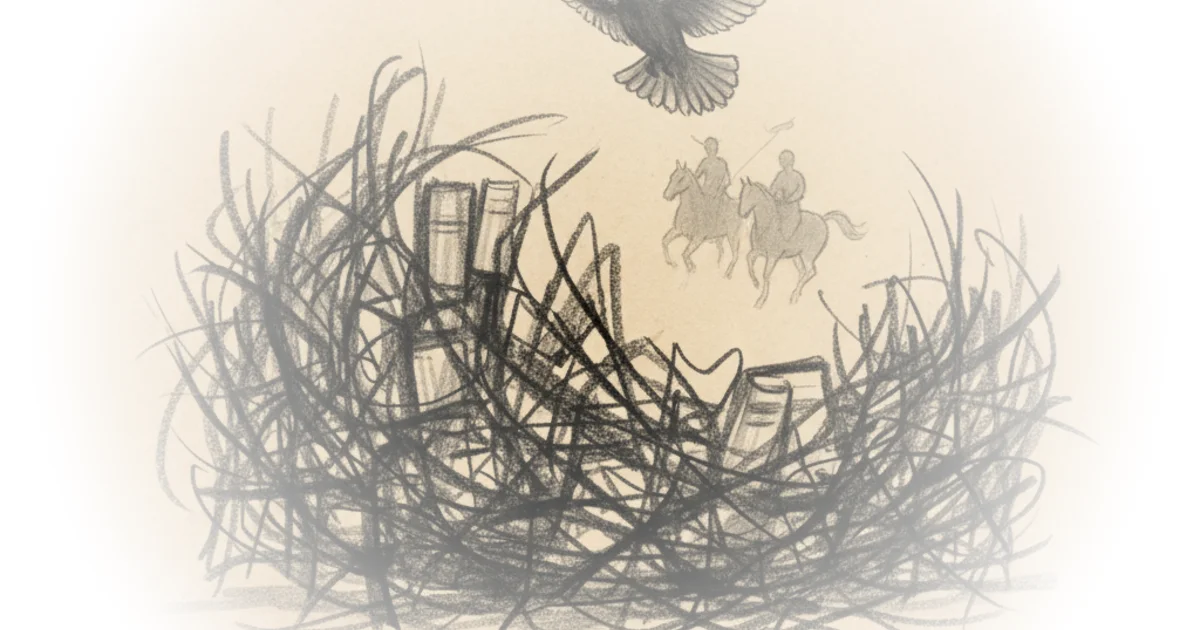
The core of Kanakia's analysis rests on the idea that Augustus McCrae and Woodrow Call are not traditional heroes. They are men who have outlived their purpose, driving cattle north not for profit, but because "they would really prefer to be on the frontier, having gunfighting adventures." Kanakia observes that their quest is fundamentally selfish: "Virtually everyone in this story would've been better off if they'd stayed put back in Lonesome Dove." This is a devastating critique of the Western genre, which typically rewards the hero's journey with the salvation of the community. Here, the journey only brings death.
"Goodness doesn't have much power here. Augustus and Woodrow are good—they strive to protect the innocent and preserve civilization. And in classic Western fashion, they feel very conflicted about it—all their efforts have civilized Texas so much that they've done themselves out of a job."
Kanakia's framing is effective because it strips away the romantic veneer. She points out that even the "safest" character, Clara Allen, recognizes the futility of their protection and leaves. The argument holds up well against the text, exposing the hollowness of the "civilizing mission" often celebrated in frontier literature. Critics might argue that Kanakia overlooks the camaraderie and loyalty that do exist between the men, suggesting that the human connection is the meaning, even if the external goal is absurd. However, her insistence on the "high body-count" and the pointlessness of the deaths remains the dominant emotional reality of the book.
The Absurdist Western
As the narrative shifts from a slow burn to a chaotic drive, Kanakia identifies the genre as "absurdist." She draws a sharp distinction between Lonesome Dove and mythic Westerns like Shane or The Searchers, where the good guys protect the innocent. In McMurtry's world, the "good guys" are merely larger-than-life figures indulging in a dangerous hobby. "Their task—running this cattle drive—is absurd," Kanakia writes. "It's not really a great way to make a fortune... Instead, they're just doing it for the hell of it—because nobody else has done it."
This interpretation reframes the book's violence. The deaths are not tragic sacrifices for a greater good; they are random, brutal, and often meaningless. Kanakia notes that even "sweet kids and noble simple-minded cowboys" die without accomplishing their aims. She connects this to a broader literary trend, comparing the "over-the-top suffering" to Hanya Yanagihara's A Little Life, suggesting that such narratives are a form of "sentimentality—the aim is to elicit a strong emotion from the reader and make them feel some kind of deep pathos." This is a crucial insight for the modern reader, who might otherwise dismiss the gore as gratuitous. Kanakia suggests the gore is the point: it forces us to feel the weight of the absurdity.
"If you stripped this life of all its glamor, you'd just be left with senseless brutality and destruction, and it would be no fun to read."
The tension Kanakia identifies here is vital. The book works because it balances the grim reality with the mythic stature of its characters. Without the "glamor," the story would be unendurable; without the "brutality," it would be a lie. This duality is what makes the book a classic, even as it deconstructs the very myths it relies upon.
The Author's Conflict
Kanakia also explores the irony of Larry McMurtry's own relationship with his masterpiece. The author intended to deconstruct the Western, yet the public embraced it as the ultimate Western myth. "His aim was to deconstruct romantic myths about the West and show all its brutality, boredom, and pointlessness," Kanakia explains. "But he felt like people really read the book as a Western." This disconnect between authorial intent and reader reception is a fascinating layer of the commentary. McMurtry himself downplayed the book's status, calling it "the Gone With The Wind of the West" rather than "The Moby-Dick of the plains," a quote Kanakia uses to underscore his ambivalence.
The commentary extends to McMurtry's other works, particularly The Last Picture Show, which Kanakia praises for its "unconquerable sense of life" despite the bleak setting. She contrasts this with the sequels to Lonesome Dove, which she finds "depressing" because they lose the magic of the original by leaning too heavily into grotesque humor. This comparative analysis helps the reader understand where Lonesome Dove fits in the author's broader canon: it is the pivot point between realism and myth.
"The magic of seventeen is that you're just so full of this unconquerable sense of life. Even if you're on a terrible football team that sucks, and even if your mom is dead, and even if you have no money and no chance of going to college—it doesn't matter, you're still excited to be alive."
By juxtaposing the existential dread of Lonesome Dove with the vibrant, if tragic, youth of The Last Picture Show, Kanakia highlights the unique power of McMurtry's best work. She suggests that the author's ability to straddle "literary" and "commercial" fiction is a lost art in the contemporary landscape, a point that resonates with readers tired of the rigid boundaries in modern publishing.
Bottom Line
Kanakia's commentary succeeds in peeling back the layers of a cultural icon to reveal a story about the futility of heroism and the randomness of death. Her strongest move is reframing the book's violence not as action-adventure, but as a deliberate, painful deconstruction of the Western myth. The argument's vulnerability lies in its potential to alienate readers who seek the comfort of traditional heroism, but for those willing to engage with the text's darker truths, it offers a profound and necessary perspective on the cost of our romanticized histories.