John Campbell doesn't just review a government document; he interrogates the very foundation of American public health, suggesting that the latest Dietary Guidelines for Americans represent a rare, albeit imperfect, pivot away from processed industrial food. In a landscape often dominated by conflicting nutritional advice, Campbell's insistence that "real food" is the only antidote to a national health emergency offers a stark, unifying clarity that demands attention. He argues that the new guidelines, while flawed in their emphasis on animal protein, finally acknowledge that the country's chronic disease crisis is a direct result of policy choices favoring factory-made nutrition over nature's design.
The Inverted Pyramid and the Protein Paradox
Campbell begins by dissecting the visual shift in the new guidelines: an "inverted food pyramid" that places vegetables and protein at the top, demoting whole grains to the bottom. He notes that this visual change signals a departure from decades of advice that prioritized carbohydrates. "The message is simple according to these guidelines. Eat real food," Campbell writes, echoing the sentiment that we must stop consuming "ultra-processed gloop that pretends to be food." This framing is effective because it cuts through the noise of macronutrient debates to focus on food quality, a concept that resonates with anyone tired of reading ingredient labels filled with unpronounceable chemicals.
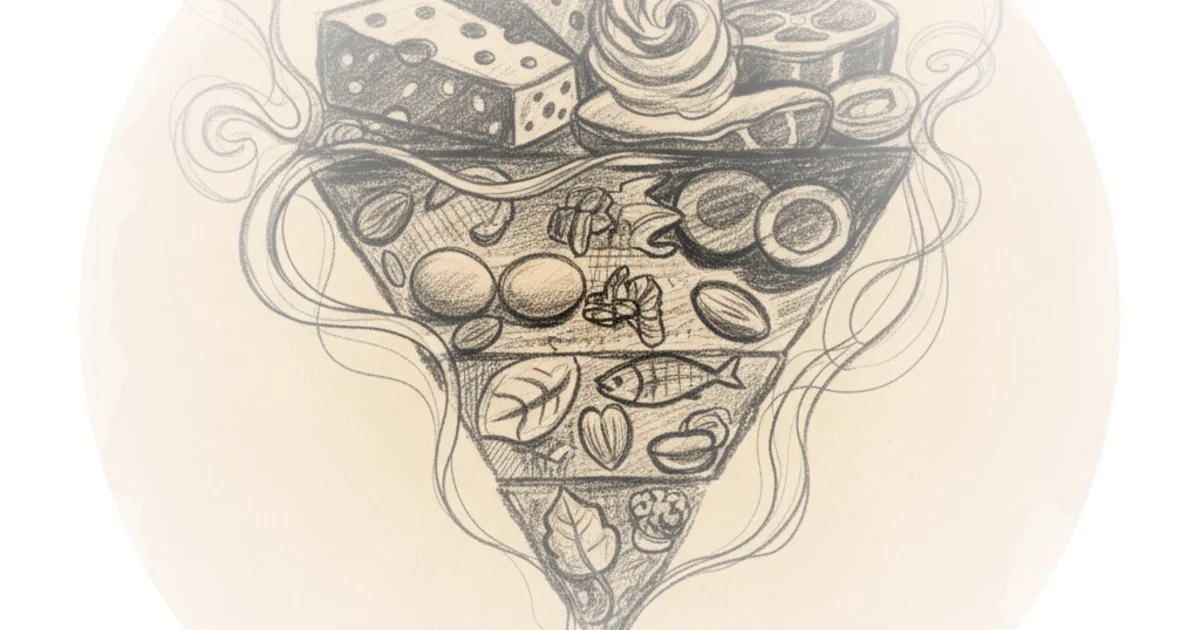
However, Campbell is quick to identify a significant blind spot in the government's new approach: the heavy reliance on animal protein. He questions whether the guidelines overemphasize meat and dairy at the expense of plant-based alternatives like legumes and beans. "My immediate thinking is is there too much emphasis on animal protein? I think there probably is," he observes, pointing out that plant proteins offer superior fiber and micronutrients without the ethical baggage of industrial farming. This critique is vital, as it highlights a tension between nutritional science and the political realities of supporting the livestock industry. Critics might note that Campbell's dismissal of animal protein's bioavailability, particularly regarding iron, is slightly too hasty, though his broader point about the environmental and ethical costs of mass animal agriculture remains compelling.
"We are putting real food back at the center of American diet. Real food that nourishes the body. Real food that restores health."
The Cost of Industrial Food
The commentary shifts from nutritional specifics to a broader indictment of the American food system. Campbell connects the rise in obesity and pre-diabetes directly to the proliferation of ultra-processed foods, describing the situation as a "health emergency" where nearly 90% of healthcare spending treats chronic diseases. He argues that the current system is a failure of policy, where federal incentives have historically promoted low-quality food while pharmaceutical interventions treat the symptoms rather than the cause. "Dietary driven chronic disease now disqualifies large numbers of young Americans from military service," he states, illustrating the tangible, national security-level consequences of poor nutrition.
This argument lands with particular force because it moves beyond personal responsibility to systemic failure. Campbell suggests that the solution lies in "realigning our food system" to support farmers and producers who prioritize nutrient density over volume. He envisions a future where food miles are reduced and supply chains are localized, noting that "we need to cooperate with the food producers, the growers and the rearers of the food." This holistic view is refreshing, yet it overlooks the immense logistical and economic hurdles of dismantling a globalized food infrastructure that has been optimized for cheap calories for decades.
From Guidelines to Reality
Finally, Campbell grounds his critique in the practical reality of how these guidelines actually function. He points out that while the average citizen may ignore the new advice, the guidelines dictate the rules for massive federal programs like the Supplemental Nutrition Assistance Program (SNAP) and school lunches. "Guidelines shape federal funding and nutrition programs," he explains, noting that these rules will directly affect millions of vulnerable Americans, from seniors on Meals on Wheels to children in school cafeterias. This is where the stakes become highest; the guidelines are not just a suggestion box for the health-conscious but a blueprint for the nation's safety net.
He concludes with a call for scientific integrity and accountability, arguing that food manufacturers must be held responsible for the damage their products cause. "People should not be allowed to put any old muck they want in food that's going to go into your body," Campbell asserts, demanding a system where prevention is prioritized over pharmaceutical fixes. While his optimism about the guidelines' potential to shift the national trajectory is palpable, the success of this vision depends entirely on whether political will can match the urgency of the health crisis.
Bottom Line
John Campbell's analysis is a powerful call to return to nutritional basics, successfully framing the new Dietary Guidelines as a necessary, if incomplete, step toward healing a sick nation. Its greatest strength is the unflinching link between ultra-processed food and national decline, but its vulnerability lies in underestimating the entrenched power of the industrial food lobby that will resist such a fundamental shift. Readers should watch closely to see if the promised realignment of federal incentives actually materializes or if it remains mere rhetoric.