In an era where education policy increasingly prioritizes data over humanity, Adrian Neibauer offers a quiet but radical manifesto: the most effective form of resistance a teacher can mount is not a strike, but the deliberate creation of joy. While standard discourse focuses on curriculum gaps or funding shortfalls, Neibauer reframes the classroom crisis as a battle for the human spirit against the "machine-like" demands of standardized testing. This is not merely a complaint about burnout; it is a strategic argument for how educators can reclaim agency within a rigid system by weaponizing the psychology of memory.
The Mechanics of Passive Resistance
Neibauer anchors their argument in the literary tradition of Herman Melville, drawing a sharp parallel between the modern teacher and Bartleby, the scrivener who famously replied, "I would prefer not to." The author writes, "After two back-to-back 15-Day Challenges, and two more upcoming, I'm beginning to feel like Bartleby the Scrivener. Work is dull and wearisome. The expectations are rigid and stressful." This comparison is potent because it elevates the teacher's fatigue from a personal failing to a systemic indictment. By invoking a story first published in 1853, Neibauer suggests that the dehumanizing nature of rote labor is not a new phenomenon, but a persistent feature of bureaucratic efficiency that has only intensified.
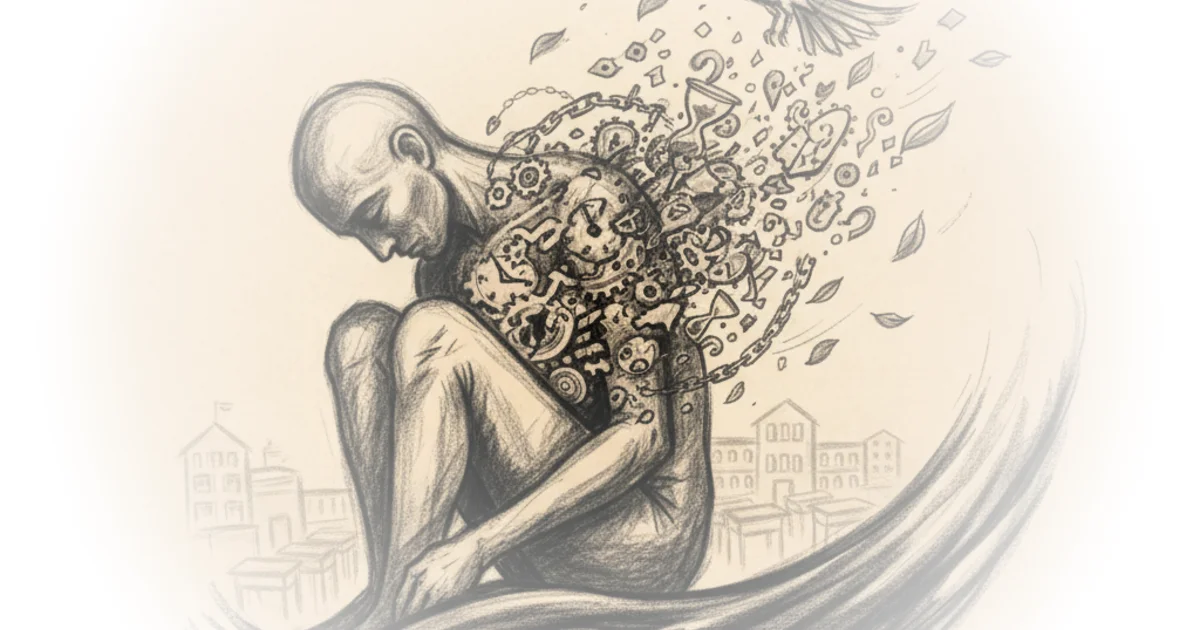
The core of the argument rests on the idea that "passive resistance" is the only viable path when direct confrontation is impossible. Neibauer notes that Bartleby's refusal is powerful because it is polite yet absolute, stripping the authority figure of the ability to argue. In the classroom, this manifests as a refusal to let the curriculum dictate the emotional tone of the day. As Neibauer puts it, "Instead of excitedly discussing literature, wrestling with a mathematical puzzle, or exploring a scientific phenomena, I managed standardized academic tasks, forcing my students to practice the same isolated skill ad nauseam." This framing is effective because it shifts the blame from the teacher's inability to engage to the structural impossibility of engagement under current mandates.
"There is never a charge to maintain fidelity to children, there is only fidelity to the curriculum."
Critics might argue that this approach is a luxury that only tenured or secure teachers can afford, potentially leaving the most vulnerable students behind if the "resistance" leads to lower test scores. However, Neibauer counters this by suggesting that the current path leads to a total collapse of morale, making the status quo unsustainable for everyone involved.
Engineering the Peak
Moving beyond resistance, Neibauer pivots to construction, utilizing the "Peak-End Rule" from behavioral psychology to explain how to combat monotony. Citing Chip and Dan Heath, the author explains that humans do not average their experiences minute-by-minute; instead, we remember the "peak" moments and the ending. Neibauer writes, "We don't average our minute-by-minute sensations. Rather, we tend to remember flagship moments: the peaks, the pits, and the transitions." This insight is the article's most actionable contribution, offering a psychological blueprint for teachers feeling trapped in a cycle of "15-Day Challenges."
The author details how they applied this by designing a Socratic Seminar around Shirley Jackson's The Lottery, a text chosen specifically to disrupt the "monotonous sameness" of the year. Neibauer observes, "I could feel moments of pride, insight, and connection crystalize as students ventured outside of their comfort zones, and were rewarded with recognition and support from their peers." This is a crucial distinction: the goal isn't just to make learning "fun," but to create high-stakes emotional anchors that survive the drudgery of the rest of the week. The reference to The Lottery adds a layer of historical depth, connecting the classroom to a classic exploration of conformity and mob mentality, thereby giving the resistance intellectual weight.
The strategy extends to the mundane. Neibauer describes replacing screen-heavy instruction with a physical card game for a life cycles unit, noting that "35 minutes later, students were heatedly playing, stealing cards from each other... and creating longer and longer food chains." This anecdote illustrates the power of breaking the script. By removing the "silent blue glow" of computers, the teacher transforms the room from a monitoring station back into a community. The argument here is that the medium of instruction is as critical as the content; when the medium is dehumanizing, the content becomes irrelevant.
Reclaiming Shared Humanity
Perhaps the most moving section of the piece is the account of a teacher losing their temper and being met not with punishment, but with a group hug. Neibauer writes, "One hug led to five hugs, which led to a group hug with 20 students. In that moment, I stopped caring if we were on pace with the curriculum guide." This moment of vulnerability serves as the ultimate rebuttal to the "machine-like" expectations of the administration. It proves that the human connection is the most resilient variable in the equation, one that no amount of standardized testing can quantify or erase.
The author concludes by acknowledging the limits of this resistance. "I may not be able to simply refuse, as Bartleby does, but I will continue to create peak moments for my students." This admission grounds the piece in reality; it is not a call for insurrection, but for endurance through creativity. The framing of "fidelity to children" versus "fidelity to the curriculum" remains the most striking dichotomy, forcing the reader to choose which loyalty matters more in the long run.
Bottom Line
Neibauer's piece is a masterclass in reframing educational despair as a site of creative agency, arguing that the most subversive act a teacher can commit is to prioritize the emotional well-being of students over the completion of a checklist. While the reliance on individual acts of resistance may seem insufficient against the weight of national policy, the psychological framework provided offers a tangible way to preserve the soul of the classroom. The strongest takeaway is the realization that in a system designed to produce compliant workers, the act of teaching for connection is the ultimate disruption.