In an era where digital consumption flattens human experience into scrollable thumbnails, Eric Topol makes a startlingly physical claim: the Metropolitan Museum of Art is not a repository of objects, but a machine for time travel. This piece rejects the standard art-historical critique in favor of a visceral, almost spiritual guide to how specific rooms can alter your emotional state and transport you across centuries. For the busy professional seeking a break from the relentless present, Topol offers a radical reframing of why we visit museums at all.
The Museum as a Portal
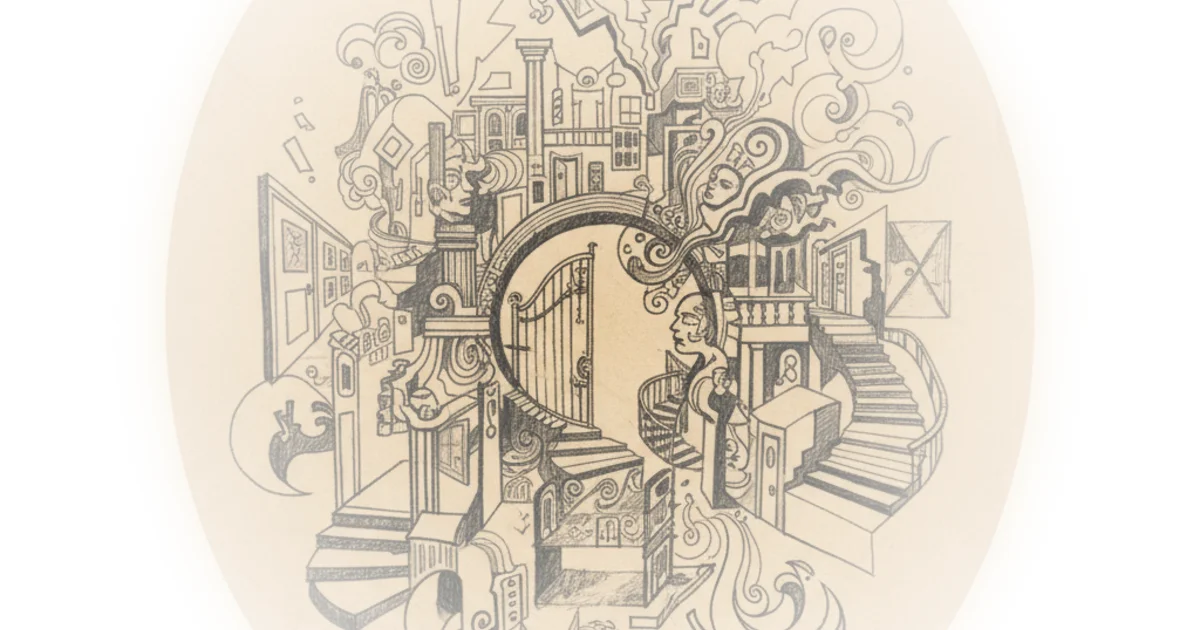
Topol begins by dismantling the intimidating scale of the Met, admitting that even staff cannot agree on how many rooms exist. He describes the institution not as a static monolith but as a "bewildering, mercurial friend" that constantly shifts its layout and contents. This fluidity, he argues, prevents visitors from forming attachments to specific objects, forcing a different kind of engagement. The core of his thesis is that museums are "PORTALS into distant dimensions," a concept he elevates above the mere display of art.
"Museums like the Met are not primarily to be experienced as displays of art, but as PORTALS into distant dimensions."
This framing is effective because it shifts the burden of performance from the viewer to the space itself. Instead of needing to be an expert to appreciate a painting, the reader is invited to simply "step into" the room and let the environment do the work. Topol emphasizes that this is a physical act, not just a mental one. He writes, "You stand there, inches away from something that exists in only one place and only one time: there and then, with you. You breathe, you close your eyes, you allow yourself to imagine." This insistence on the bodily experience of history is a crucial counterpoint to our increasingly virtual lives.
Critics might argue that this approach romanticizes the museum experience, ignoring the very real issues of accessibility, colonialism in curation, and the economic barriers that keep many New Yorkers away. Topol briefly acknowledges his own privilege as a "complete fucking philistine" who has the time and resources to obsess over the museum, but he does not fully grapple with the systemic exclusions that define the institution's history.
A Biased Guide to Universal History
The author reveals his own journey, noting his enrollment in a history degree at age 33 and his subsequent "spiral of obsession" with the Met. He describes the museum as a "crucible" and a "forge" that fundamentally changes the visitor. He distinguishes "Universal" or "Encyclopedic" museums from specialized art galleries, arguing that only the former can create a "unifying narrative" across human history.
"The most important thing a Universal Museum tries to accomplish, I believe, is a sweep across time and geography that attempts to sample from as many cultures as possible, and to house them all under one roof."
Topol's methodology for his new project is refreshingly subjective. He explicitly states he will not review the art itself, lacking the training to do so, but will instead rate the "vibe" of each room based on lighting, seating, and atmosphere. He admits, "My goal is to present a completely biased, utterly partial view of an institution that has impacted me in a completely biased, utterly personal way." This honesty disarms the reader, replacing the pretense of objective criticism with a genuine invitation to explore.
He plans to limit "Perfect Ten" ratings to roughly one percent of the rooms, creating a scarcity that mirrors the rarity of the experiences he hopes to describe. He even welcomes correction, noting, "If I dissed a room you love, give me a reason to go back and change my mind." This collaborative stance transforms the review from a verdict into a conversation.
"The goal of the project is to tell you which rooms can support which moods, how excellent they are at that task, and help guide you towards the emotional and visceral experience you want on any given day."
Bottom Line
Topol's argument succeeds by prioritizing the emotional utility of art over its academic classification, offering a compelling reason to visit the Met that transcends the usual "must-see" lists. However, the piece's greatest vulnerability lies in its silence on the political and ethical complexities of encyclopedic museums, which often house artifacts acquired through colonial violence. Despite this, the project's focus on the human capacity for imagination and connection remains a powerful, necessary reminder of what is lost when we treat history as data rather than a lived experience.
"The place is full of moods, and once you have a decent lay of the land and it ceases to feel utterly new, you will inevitably find yourself returning to seek out your favorite, wings, rooms, even individual pieces of art that support the way you want to feel that day."