When a $2 trillion shadow market starts flashing red—where defaults are hitting pandemic-era highs and giants like Blackstone are locking investors' money away—you don't need a crystal ball to sense trouble. Richard Coffin cuts through the noise with evidence most analysts ignore: not just that private credit is cracking, but how its deliberate opacity mirrors pre-2008 risks. For time-starved readers, this is the rare explainer that turns Wall Street jargon into urgent, actionable insight.
The Illusion of Safety
Coffin masterfully dismantles the industry's core pitch. He notes how private credit "helped to fill an important gap left by traditional banks" after 2008 regulations pushed lenders toward safer assets. But this wasn't altruism—it was a fee-driven land grab. The real kicker? Institutional investors chased double-digit returns like Blackstone's "9.8% annually," blinding them to the lack of oversight. Coffin writes, "with private credit... investment firms raise a bunch of investor capital, lend to private companies, and then pass the returns onto investors charging exorbitant fees in the process." The repetition isn't accidental—it underscores how private credit repackaged private equity's playbook with identical profit motives. This lands because it exposes the emperor's new clothes: what looked like "safer" fixed income was actually riskier, less transparent debt.
When you see one rat, there's probably more.
Cracks Becoming Chasms
Coffin pivots sharply from theory to carnage. The bankruptcies of First Brands and Carvana—"combined debts of over $10 billion"—weren't the issue. It was how lenders went from "expecting full repayment" to writing off loans "below 20 cents" overnight. As he puts it, "How prevalent are these risky loans in the system?" His evidence is damning: Fitch reports defaults hitting "9.2%... rising above the level seen during the pandemic." Yet Coffin avoids alarmism. He concedes that "any one bankruptcy... isn't itself all that concerning" in this space—but the pattern (Apollo's $170M write-off, BlackRock's sudden $0 valuation) reveals systemic rot. This is where he shines: connecting isolated events to a trend even Morgan Stanley admits could hit 8% defaults. Critics might argue these are isolated to overexposed sectors like software—but Coffin preemptively notes private credit's "outsized exposure" to AI-vulnerable firms facing a "wall of maturities."
Gates vs. Fire Sales
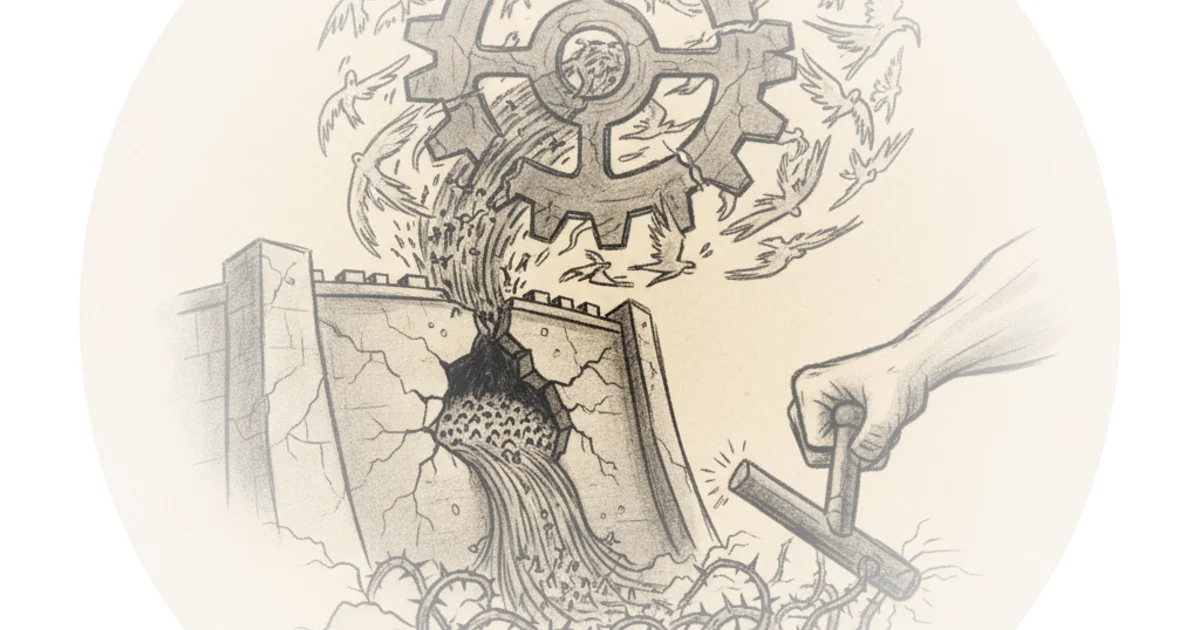
The redemption crisis gets Coffin's most nuanced treatment. He acknowledges that "trapping investors in their holdings might sound exploitive," but explains why gating withdrawals is "a fairly standard mechanism" for illiquid assets. "The funds generally have to hold their loans until maturity," he reasons, making gates a necessary evil to avoid fire sales. Yet he doesn't let the industry off the hook. His sharpest insight? The retail push—"democratizing" access via 401ks and Robinhood—created a "stylistic mismatch." Institutional investors (80% of the market) tolerate illiquidity; retail panic fuels "elevated redemption requests." Coffin paraphrases JP Morgan's CEO: "elevated redemption requests are being driven more by sentiment than fundamentals." But his own evidence undercuts that: when software loans with "lowest coverage ratios" face 31% maturities amid soaring rates, sentiment is the signal.
Bottom Line
Coffin’s greatest strength is exposing how private credit’s structural flaws—opaque valuations, fee-driven risk-taking, and retail mis-selling—create a perfect storm. His biggest vulnerability? Underplaying how AI disruption could accelerate defaults beyond software. Watch the $500 billion in private credit loans maturing by 2026—if even 10% crumble, this panic won’t stay private.