Natalie Wexler delivers a piercing critique of a well-intentioned but potentially dangerous legislative move: the push for a second National Reading Panel. While the proposal promises to update reading science after 25 years, Wexler argues it risks cementing the very errors that plagued the original report—specifically, the obsession with easily measurable comprehension strategies while ignoring the critical role of background knowledge. For busy leaders and educators, this is not just an academic debate; it is a warning that another federal report could derail progress by prioritizing short-term data over the complex reality of how the human brain actually learns to read.
The Trap of Measurable Strategies
Wexler begins by acknowledging the genuine need for updated research, noting that the original 2000 panel successfully shifted instruction away from guessing games toward systematic phonics. However, she quickly pivots to the dangers of the new legislative bill sponsored by Rep. Josh Harder. The bill calls for a new panel to address gaps like reading stamina and the link between writing and reading, which Wexler concedes are "worthy of attention." Yet, she warns that the bill's silence on background knowledge is a fatal flaw.
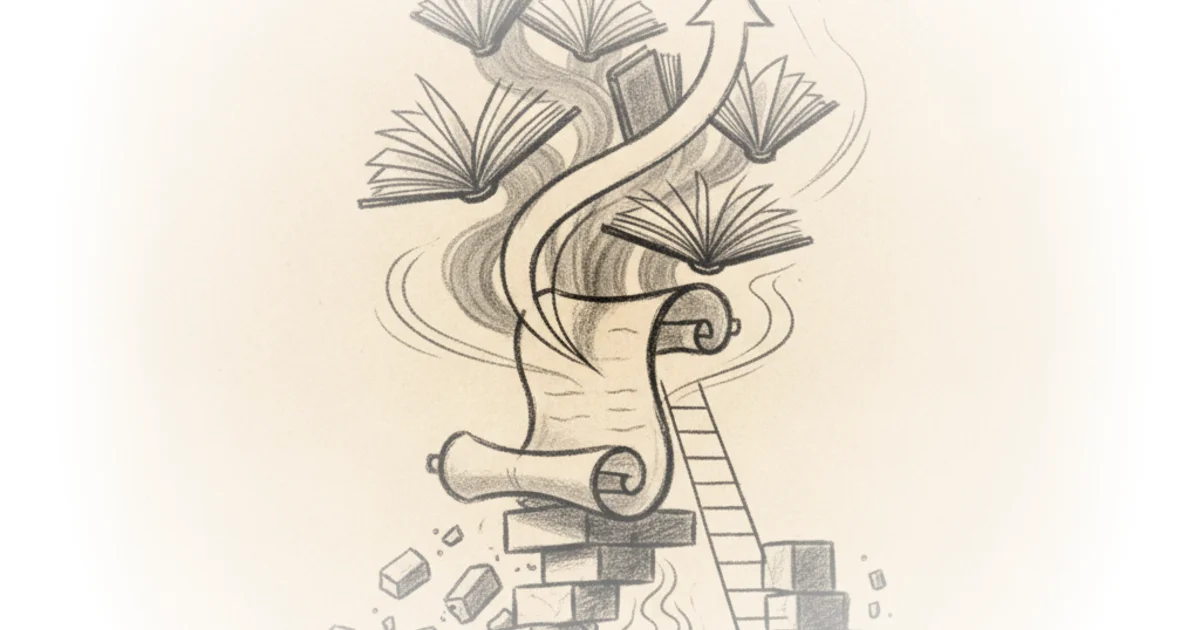
The core of her argument rests on the methodology of the original panel. Wexler writes, "The original NRP report vastly oversimplified the process of comprehension by focusing on evidence related to teaching reading comprehension strategies like 'asking and answering questions' or summarizing." She explains that the panel prioritized randomized controlled trials because they were the "gold standard" for proving phonics worked, but this same rigid standard failed when applied to comprehension. Strategy instruction yields quick, measurable results in short studies, whereas building knowledge takes years to show impact.
"Strategy instruction is easier to study... That doesn't mean strategy instruction is more effective than knowledge-building; it just means it's easier and less expensive to study."
This distinction is crucial. Wexler points out that researchers can see results on standardized tests after just a few weeks of teaching a strategy, making it a highly attractive subject for publication. In contrast, studies showing that building a child's knowledge of history or science improves reading comprehension often require three years or more to complete. Consequently, the literature is skewed not by effectiveness, but by the convenience of the research timeline. Critics might argue that without rigorous experimental data, it is hard to mandate curriculum changes, but Wexler counters that ignoring cognitive science in favor of easy-to-study metrics is a recipe for failure.
The Hidden Cost of Ignoring Knowledge
The article draws a sharp line between the "Science of Reading" movement and the specific focus on decoding. While decoding is essential, Wexler argues that once students learn to read words, the bottleneck shifts to understanding what those words mean. She highlights that the original panel's failure to mention knowledge helped entrench a belief among educators that teaching strategies was "all you needed to do." The result, she notes, is that "students who are less likely to acquire academic knowledge outside of school have been paying that price."
Wexler cites cognitive psychologist Daniel Willingham to drive the point home: standardized reading comprehension tests are actually "knowledge tests in disguise." As students advance to higher grade levels, reading passages become more complex, and vocabulary becomes inseparable from the content knowledge required to understand it. The new bill mentions "early reading development," which Wexler critiques as a narrow view that ignores the desperate need for support in decoding complex syntax and vocabulary in middle and high school.
"Without a minimum level of relevant background knowledge, no comprehension skill or strategy is likely to work."
This insight connects to the broader "Simple View of Reading" framework, where reading comprehension is the product of decoding and language comprehension. Wexler's commentary suggests that the current policy landscape over-indexes on the decoding side because it is tangible, while language comprehension—which relies heavily on a broad base of knowledge—is treated as a secondary concern. The "Matthew effect," where the rich get richer in knowledge and the poor fall further behind, is accelerated when schools fail to systematically build knowledge for all students.
The Composition of the New Panel
The most alarming aspect of the proposed legislation, according to Wexler, is the composition of the panel itself. The bill specifies "leading scientists in reading research" but excludes representatives from the broader community of cognitive scientists and speech-language pathologists. Wexler warns that without these voices, the panel will likely view reading comprehension "in isolation from learning in general."
She recounts a recent podcast interview where Rep. Harder, when pressed on the knowledge issue, deflected to talk about implementation problems. Harder stated, "The biggest problem that we have on reading right now is that almost every state has passed a science of reading bill, but very few states are actually seeing sustained gains in student outcomes." Wexler argues this misses the point: the lack of sustained gains is likely because states are implementing strategies without the necessary knowledge-building component.
"If a new report simply weighs the total number of studies of strategy instruction against the total number of studies of knowledge-building, without considering other data and factors, it could declare that the evidence shows that strategy instruction is more effective than knowledge-building."
This outcome would be worse than the first panel's omission, Wexler suggests, because it would provide a false scientific mandate for ineffective practices. The risk is that educators will treat the new report as a checklist rather than an integrated approach, repeating the mistakes of the past. A counterargument worth considering is that a new panel might naturally expand its scope if appointed members are forward-thinking, but Wexler remains skeptical given the bill's specific constraints and the sponsor's apparent lack of awareness regarding the knowledge gap.
Bottom Line
Natalie Wexler's strongest move is exposing the methodological bias that favors short-term strategy studies over long-term knowledge building, a flaw that threatens to undermine the very progress the new panel hopes to achieve. Her argument is vulnerable only if the appointed panel members defy the bill's narrow constraints, but the legislative language suggests a high probability of repeating past errors. The reader should watch whether the final panel composition includes cognitive scientists, as their absence will likely signal a continued neglect of the knowledge that drives true comprehension.