Tim Heidecker built his career in an era when getting TV airtime meant convincing gatekeepers you were funny. Today, he watches those gatekeepers disappear — and he's not sure that's a good thing.
In the late 1990s and early 2000s, Tim Heidecker and his partner Eric were self-described serious filmmakers who made low-fi comedy because that's all they could afford. They embraced the primitive technology of the dot-com boom — Windows 95 launch videos, business talk, the internet as punchline — and created a persona called Tim and Eric that became shorthand for a strange new aesthetic.
We put it on our website. Little QuickTime videos. There were some sites that would pick it up. Early forms of social media got spread around.
Adult Swim, the late-night programming block on Cartoon Network, was one of the few places doing genuinely weird stuff. The showrunners gave Heidecker and his partner freedom: minimal budget, no oversight, just do whatever you want. It's the formula that always produces good work — low pressure, creative freedom, enough rope to either succeed or fail.
The Gatekeepers Vanished
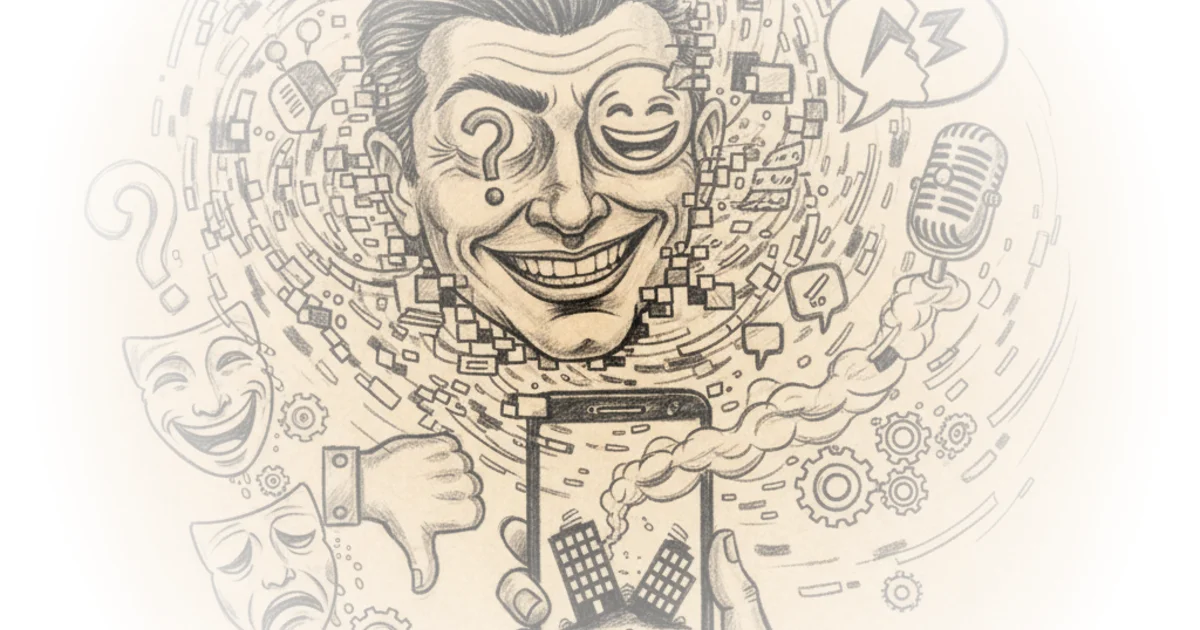
The model has fundamentally changed. In the old system, a person with taste — an editor, a curator — could spot something innovative and amplify it. That individual decided what rose to the top. Now, when floodgates open, what floats to the top of feeds is whatever drives engagement.
The uncomfortable position for people with progressive politics is that they have to argue for gatekeepers. The attention economy dictates that Nazi content rises. It's a strange position for those who value curators and editors to be in — defending hierarchy and exclusion while arguing these institutional models produce better art than pure algorithmic sorting.
Streaming platforms made things worse. When Heidecker pitched shows to one major streamer, they essentially said: we already have your audience. They don't need new content from you. The risk-averse calculus of streaming services means anything performing well gets reinvested endlessly. Anything else loses money.
Young comedians trying to get started now face a fundamentally different landscape than Heidecker did. Their material isn't particularly political. But getting a show sold is nearly impossible without an established community or algorithmic blessing.
Why Audiences Want Comedy Separate from Politics
People who comment on comedy specials often draw a line — keep politics out of the humor. That boundary feels artificial to Heidecker. Tim and Eric's work was deeply political, though not necessarily topical. It was about the absurdity of capitalism, marketing, consumerism. The critique was implicit rather than explicit.
The rise of Donald Trump made comedians want to engage with politics explicitly. But audiences increasingly prefer these things separated — they want comedy without commentary, even when the comedian has values they'd like to share.
Every comedian seems magnetically pulled into political commentary now. Whether that's driven by the attention economy pushing those voices to the top of feeds or whether conditions actually worsened is probably both. But for comedians who just want to make people laugh, it's become a trap they can't escape.
Bottom Line
The strongest part of Heidecker's argument is his clear-eyed observation that gatekeeping wasn't perfect, but it produced weirder, riskier comedy than the algorithm-driven landscape we have now. His vulnerability: he's nostalgic for an institution that younger creators can't access anymore — and nostalgia doesn't create opportunities for them.