Wes Cecil makes an argument that sounds like paranoia at first, but then you examine the evidence and realize it's simply how modern finance works. In a piece that challenges everything you thought you knew about rent payments, credit cards, and what it means to add value in late capitalism, Cecil reveals a system designed not to help people — but to extract every possible dollar from them.
The Logic of Financialization
Cecil defines financialization simply: the way to make money in modern America is no longer to produce things, sell goods, or even add value. Instead, it's to interfere in existing financial flows and extract fees, interest payments, and data without creating anything tangible.
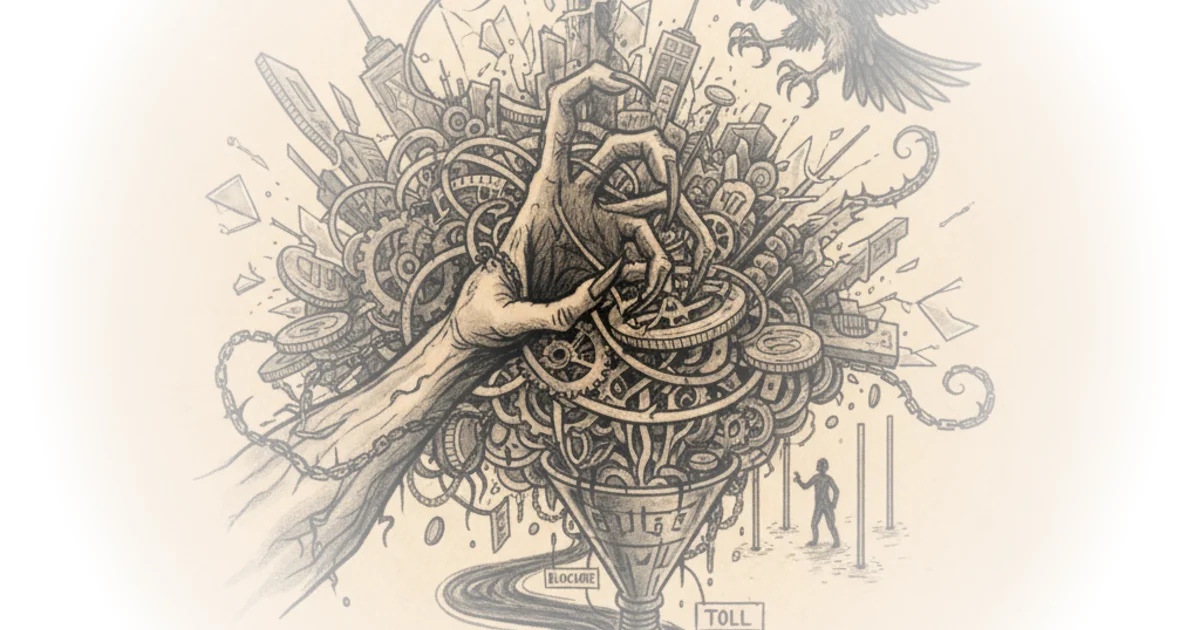
The classic examples include credit cards, pay-as-you-go plans, and banks that work directly with central banks. But there's one example so perfectly illustrative that Cecil uses it as his anchor point every time he doubts whether he's being too cynical about modern finance.
The Rent Payment Scheme
Consider this scenario: a company offers to process your rent payments. You sign up, link your bank account or credit card, and the company forwards your payment to your landlord. In return, you get reward points that can be redeemed for travel, goods, or store discounts. You also receive a low-interest credit card.
Sounds helpful. The problem? People have been paying rent for thousands of years. This is not new infrastructure or value creation — it's interference in an existing process.
The company doesn't build apartments. Landlords don't receive additional support. Instead, the system adds layers of complexity: new accounts, passwords, verifications, credit card applications. The rewards points? The company sells them to advertisers and marketing partners who pay for access to millions of enrolled customers.
The Real Cost
Here's where it gets expensive. When tenants put their rent payment on a credit card, they're suddenly carrying balances at 18 to 22 percent interest rates. After a year of rolling three months of rent payments into credit card balances, they owe thousands in interest — on top of what were already difficult payments.
The company profits not from providing housing or value, but from the interest spread: borrowing at four or five percent, lending at twenty percent. They sell reward points to partners. They're selling customer data. They've inserted themselves into a process that was already functioning and extracted value without producing anything.
Critics might note this describes one specific company model, and many rent-payment platforms do provide genuine convenience for tenants and landlords alike. The broader point about financialization as interference rather than production applies across the industry.
This is not helping people — it's creating a structure where a subgroup of enrollees will carry balances at extortionate interest rates, guaranteed by sheer numbers.
Bottom Line
Cecil's strongest argument cuts through ideological noise: when you can make more money from interference than from production, the economy stops growing and starts extracting. His vulnerability is that this analysis applies to nearly every modern financial product — making the claim universal but somewhat reductive. The real story isn't about any single company; it's about why we accepted this logic as normal.