This piece from The Walrus dismantles a dangerous cultural myth: that persistent pursuit is a form of romantic devotion rather than a precursor to lethal violence. By anchoring its analysis in the harrowing survival story of Colette Martin and the systemic failures of the Canadian legal system, the article forces a reckoning with why society still treats stalking as a nuisance rather than a crime. It is not merely a story about one woman's ordeal; it is an indictment of a legal framework that demands victims prove their fear before the law will act to protect them.
The Myth of Romantic Persistence
The Walrus opens by detailing how Colette Martin, a young mother in New Brunswick, initially misinterpreted her ex-partner's obsessive behavior as misguided love. The author, Sheima Benembarek, writes, "I didn't realize that it was stalking. It was frustrating, but I thought it was out of love. I had no education on that stuff." This admission is crucial because it highlights the gap between public perception and the reality of criminal harassment. The article argues that pop culture actively reinforces this dangerous blindness, normalizing the idea that relentless pursuit eventually wins over a reluctant partner.
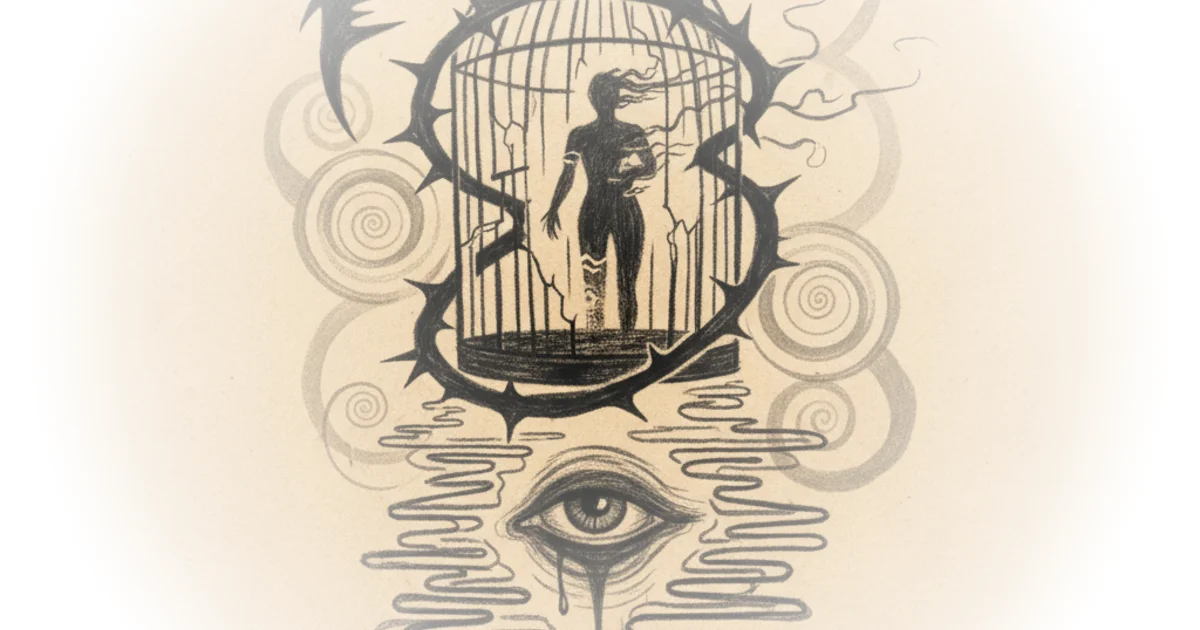
As The Walrus puts it, "We romanticize, even glorify, stalking," citing how films often frame obsessive behavior as a testament to deep, albeit misguided, affection. The commentary here is sharp and necessary: by treating stalking as a plot device for romance rather than a terrifying reality, society disarms victims before the danger even escalates. This framing is effective because it shifts the blame from the victim's "overreaction" to the culture's "underreaction."
We romanticize, even glorify, stalking, turning a pattern of terror into a narrative of love.
The Legal Threshold of Fear
The core of the argument shifts to the legal mechanics that fail survivors. Criminal harassment was codified in Canada in 1993, a move spurred by high-profile murders of women like Patricia Allen and Terri-Lyn Babb. Yet, The Walrus notes that the law remains ill-equipped to handle the nuance of fear. To secure a conviction, a victim must prove that a "reasonable person" would feel unsafe. This standard is where the system breaks down.
The article quotes criminology professor Diane Crocker, who explains, "There's very much a gendered sense—sexist and heteronormative—of what is and isn't safe." The Walrus illustrates this with the example of a stalker leaving flowers on a car; police often dismiss this as a gesture of affection rather than a threat, failing to see the context of the pattern. This is a devastating critique of the "reasonable person" standard, which often defaults to male perspectives on safety.
Critics might argue that the legal system requires objective standards to prevent false accusations, but the article convincingly counters that subjectivity in safety is the very nature of stalking. As The Walrus writes, "The 'fear for your safety' part is so subjective," noting that victims are often punished for their reactions, such as yelling, which prosecutors use to claim they weren't truly afraid.
The Cost of Inaction
The human cost of these legal ambiguities is laid bare through the stories of survivors who were forced to alter their entire lives to avoid their stalkers. The Walrus points out that victims often have to resign from jobs or withdraw from school, yet these quantifiable changes are frequently ignored in court. The article highlights the case of Sue Montgomery, whose acquittal of a stalker hinged on a video of her shouting at him—a reaction to terror that the court interpreted as a lack of fear.
As The Walrus puts it, "Linking it 'to the potential risk of homicide can deflect our attention from the seriousness of the problem.'" This is a profound insight: waiting for a murder to happen to validate the danger is a policy failure that costs lives. The piece connects this to the broader context of intimate partner violence, noting that it often takes survivors seven attempts to leave an abusive relationship, and the threat of stalking makes that exit nearly impossible.
It's horrendous, it undermines someone's freedom to move, and think, and feel safe.
Bottom Line
The Walrus delivers a compelling, if unsettling, verdict: the law is not just failing to catch stalkers; it is actively misunderstanding the nature of the threat. The article's greatest strength is its refusal to accept the "reasonable person" standard as a neutral metric, exposing it instead as a gendered barrier to justice. The biggest vulnerability in the current system remains the burden of proof placed on the victim to articulate a fear that the legal system often refuses to recognize until it is too late. Readers should watch for the emerging advocacy work of organizations like the Canadian Anti-Stalking Association, which are pushing to redefine safety indicators away from subjective fear and toward observable behavioral changes.