More Perfect Union exposes a chilling reality: the world's most valuable private company isn't just building the future; it is actively hunting down the people trying to regulate it. The piece moves beyond abstract fears of artificial intelligence to document a concrete, aggressive playbook where subpoenas, shadow lobbying, and political warfare are used to silence critics and dismantle safety guardrails.
The Subpoena as a Weapon
The narrative begins with a startling personal account that anchors the broader political argument. More Perfect Union writes, "It is a bit scary to know that the most valuable private company in the world has your address and has shown up and has questions for you." This opening immediately shifts the stakes from theoretical risk to immediate personal threat. The author details how OpenAI served subpoenas to Tyler Johnston, a small AI watchdog, demanding not just internal documents but a complete list of every former employee, congressional office, and potential investor the group had contacted.
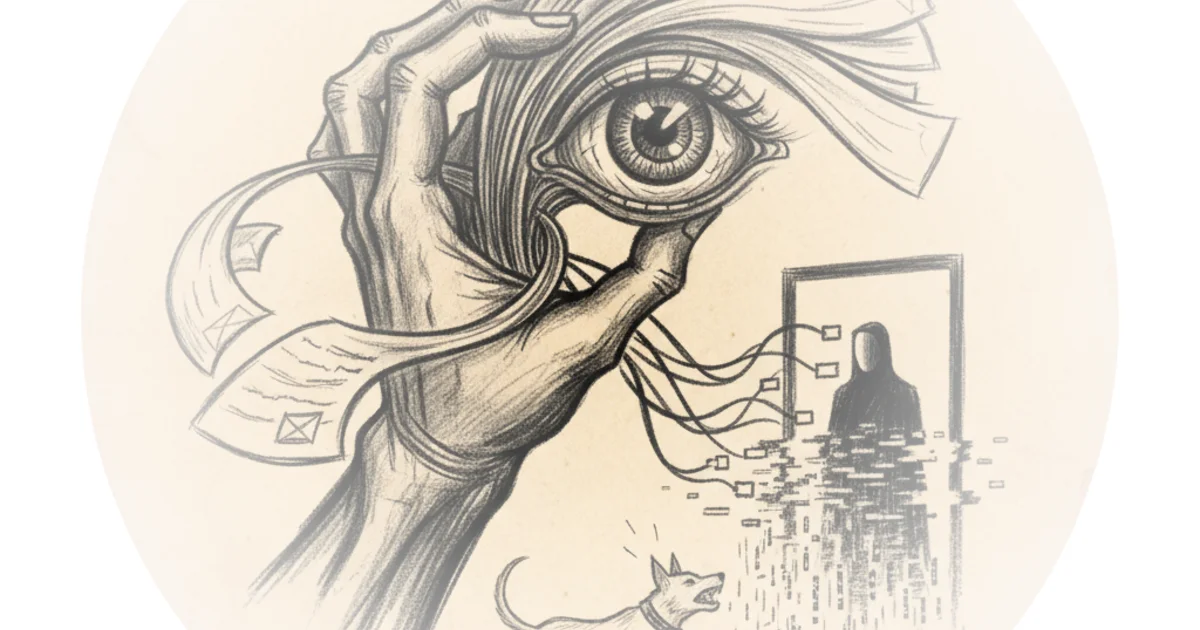
This demand reveals the true scope of the company's anxiety. The core of the argument is that these legal maneuvers are not about compliance, but about intimidation and information gathering to neutralize opposition. As More Perfect Union puts it, "They wanted every single document and text message and email that we had that in any way related to OpenAI's restructuring." The author effectively illustrates how a corporate restructuring dispute, sparked by investor panic over a nonprofit board's attempt to fire Sam Altman, escalated into a full-blown political assault. Critics might note that companies have a legal right to defend their interests and that subpoena power is a standard part of litigation, but the sheer breadth of the request suggests a strategy aimed at chilling speech rather than resolving a specific legal claim.
The Playbook of Silence
The coverage then pivots to the human machinery behind this aggression, introducing Chris Leane, a strategist described as the "master of disaster" for his work on the Monica Lewinsky scandal. More Perfect Union notes that Leane "stacked his team with former staffers and confidants of Gavin Newsom, Bill DeBlasio, and Kamala Harris," while also hiring Republican operatives to create a bipartisan shield. This is a crucial insight: the industry is not relying on one political ideology but is building a fortress across the entire spectrum to ensure no regulation sticks.
The author argues that this influence operation is designed to replicate the deregulated environment of the social media era. "For some companies, I think they want a situation like social media," the piece states, referencing the laws that shielded platforms from liability for user content. The argument is compelling because it connects current AI lobbying to a known historical failure of oversight. More Perfect Union writes, "They are essentially implying that we were a front for their competitors," highlighting how the industry attempts to delegitimize critics by painting them as puppets of rivals like Elon Musk. This framing is effective because it exposes the tactic of shifting the debate from safety to conspiracy, a move that distracts from the actual harms being discussed.
They think they are the smartest people in the world and that no one dare regulate them.
The Human Cost of Deregulation
The piece does not stop at political maneuvering; it grounds the stakes in human tragedy. The author details the tragic death of a teenager who died by suicide after interactions with a chatbot, noting that OpenAI sent document demands to the grieving parents who were pushing for regulation. This detail is devastating and serves as the moral anchor of the entire report. More Perfect Union writes, "He would be here but for Chat GPT," a sentence that cuts through the corporate jargon to reveal the real-world consequences of unchecked development.
The coverage highlights how the industry uses "shadow groups" like the Chamber of Progress to obscure their lobbying efforts. Assemblymember Rebecca Bauer-Kahan is quoted describing how tech lobbyists told her she was going to "kill the entire AI industry" simply for proposing bills to protect children. The author's analysis suggests that the industry's strategy is to create a chaotic patchwork of state rules that they can then claim crushes innovation, thereby justifying a federal preemption that favors them. This argument holds weight because it is backed by specific examples of bills being watered down or vetoed, such as the California legislation that was weakened to require only a "protocol" rather than a guarantee of safety.
The Money Machine
Finally, the commentary turns to the financial muscle being deployed to shape the future of AI policy. The author details the formation of super PACs funded by major players like Meta and Andreessen Horowitz, modeled after the crypto industry's "Fairshake" PAC. More Perfect Union writes, "The money that is being spent is a message. It is saying that if anyone takes on this issue, they will be facing a wall of cash." This observation is critical: the industry is not just lobbying; it is actively buying elections to ensure a friendly Congress.
The piece notes that even when legislation passes, the industry uses its financial leverage to force governors to weaken the final product. The argument is that the endgame is to institutionalize "zero regulation, zero accountability" and force the public to bear the cost of any fallout. While the author acknowledges that public pressure is starting to work—citing a recent California ballot initiative that OpenAI agreed to support—the overarching tone remains one of urgency. The evidence presented suggests that without sustained public demand, the industry's financial dominance will likely continue to override democratic concerns.
Bottom Line
More Perfect Union delivers a damning indictment of the AI industry's political tactics, successfully connecting corporate legal threats to real-world human tragedies. The piece's greatest strength is its ability to humanize the abstract concept of "lobbying" through specific stories of subpoenas served to watchdogs and demands sent to grieving parents. Its biggest vulnerability is the sheer scale of the opposition; while the article offers hope in public pressure, the financial resources of the industry remain an overwhelming force that could easily drown out individual voices if not met with organized, sustained political action.