In a cultural landscape often obsessed with optimizing parenting, Two Truths offers a radical counter-narrative: that the chaos of the present is not an obstacle to be overcome, but the very raw material of future memory. The piece argues that nostalgia is not merely a passive emotion but a deliberate practice of preservation, challenging the modern tendency to view the exhaustion of motherhood as a problem to be solved rather than a season to be inhabited.
The Architecture of Longing
The editors begin by dismantling the idea that the present moment can ever be fully appreciated while we are living it. "We can't experience nostalgia when we're in it; the present moment will always be clouded by chaos, logistics, and the distractions of daily life," the piece observes. This is a crucial reframing for busy parents who often feel guilty for not being "present" enough. The argument suggests that the very friction of daily life—the sleep deprivation, the logistics—is what will eventually make the memory precious. The timing of these emotions is not random; as psychiatrist John Sharp is cited in the text, "Our experiences are etched into our brains," meaning that seasonal triggers like the end of summer are biological reminders of our personal history.
"Nostalgia isn't reserved for the extraordinary; it's often the moments in the margins that hit us hardest when we feel them in the future."
This perspective shifts the burden of memory creation from the extraordinary event to the mundane. The piece suggests that the "fuzzy feeling of late nights sans bedtime routines" or the "taste of Fun Dip" are the actual currency of a life well-lived. Critics might argue that romanticizing exhaustion risks minimizing the very real mental health struggles of sleep deprivation, but the text carefully distinguishes between missing the hardship and missing the intimacy of that specific time. It acknowledges that "I don't miss it. I remember the hard of those nights," yet admits to a longing for the "quiet, for the still, for the littleness."
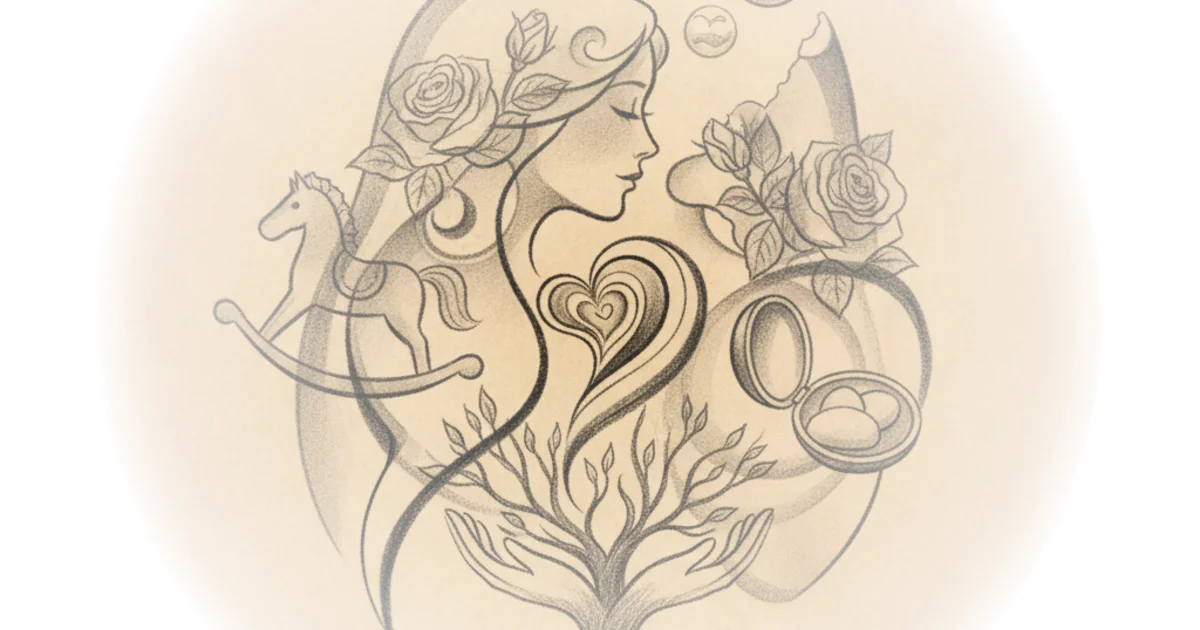
Manufacturing Core Memories
Moving from theory to practice, the coverage explores whether we can actively engineer these moments. The editors tackle the popular concept of "core memories," often trivialized on social media as a trend of forced documentation. However, the argument here is more nuanced: it is about the act of attention. One contributor recounts a specific moment during the pandemic lockdown, noting, "I remember the distinct smell of the hose water and the way it took me right back to a moment in my childhood." By photographing an "average afternoon," the parent created a bridge to the past.
The piece posits that without this conscious effort, "I would have lost that entire experience without those photos." This is a powerful claim in an era of digital saturation, suggesting that the camera is not a barrier to presence but a tool for future time travel. The editors encourage readers to "Choose to feel it all: not just what's around you, but what's happening in your head, too." This advice transforms the act of taking a photo from a performative social media gesture into a psychological anchor.
Traditions and Collective Grief
The commentary broadens its scope to address how families navigate the shifting roles of adulthood and the weight of external trauma. The editors note that "there comes a time when the role of 'parent' assumes a more prominent position in our lives," forcing a re-evaluation of inherited traditions. This is framed not as a loss, but as an opportunity to curate a new cultural heritage. The piece suggests creating a "family bucket list" where the goal is not perfection but anticipation, noting that the list is "never Pinterest-worthy, but that's not the point."
However, the piece does not shy away from the darker realities of contemporary parenting. In a section addressing recent school shootings, the editors state plainly, "No parent should be scared to send a child to school, and no child should be—or feel—unsafe at school." This pivot from personal nostalgia to collective grief grounds the emotional exploration in the harsh reality of the current moment. The editors acknowledge that "the news of yesterday's tragic school shooting left us devastated and unsurprised," linking the personal desire for safety with the urgent need for policy change. This juxtaposition is jarring but necessary; it reminds the reader that while we curate memories of summer days, we are also living through a crisis of safety.
"Stripped down, nostalgia is simple. It's the smell of watermelon. The taste of saltwater on your lips. Cracking rocks open with cousins to find mica and thinking it's magic."
Bottom Line
Two Truths succeeds by validating the complex, contradictory emotions of motherhood without offering a simplistic solution. The strongest part of the argument is the redefinition of nostalgia as an active, intentional practice of finding meaning in the mundane, rather than a passive longing for a lost past. Its biggest vulnerability lies in the tension between the desire to preserve the past and the urgent, often terrifying reality of the present, particularly regarding school safety. Readers should watch for how this framework of "manufactured memory" evolves as children age and the nature of the "chaos" shifts from logistics to the complexities of growing up in an unsafe world.