Laura Rozen captures a moment of profound dissonance in global diplomacy: a White House room filled with European leaders united in their skepticism, while the host president pursues a peace deal that seems to hinge on the goodwill of the very aggressor they are trying to contain. The piece is notable not for the warm handshakes, but for the stark contrast between the administration's rush to declare a breakthrough and the grim reality reported by the Kremlin. This is essential listening for anyone trying to understand the gap between diplomatic theater and the safety of a nation under bombardment.
The Malleability of Power
Rozen's reporting cuts through the optics of the meeting to expose a fundamental vulnerability in the administration's strategy. She observes that while the President praised the Ukrainian leader's attire and offered to procure a map of the front lines, the substance of the conversation revealed a stark divergence in priorities. "We all would like to see a ceasefire," German Chancellor Friedrich Merz said, but his follow-up was the real story: "I can't imagine that the next meeting would take place without a ceasefire."
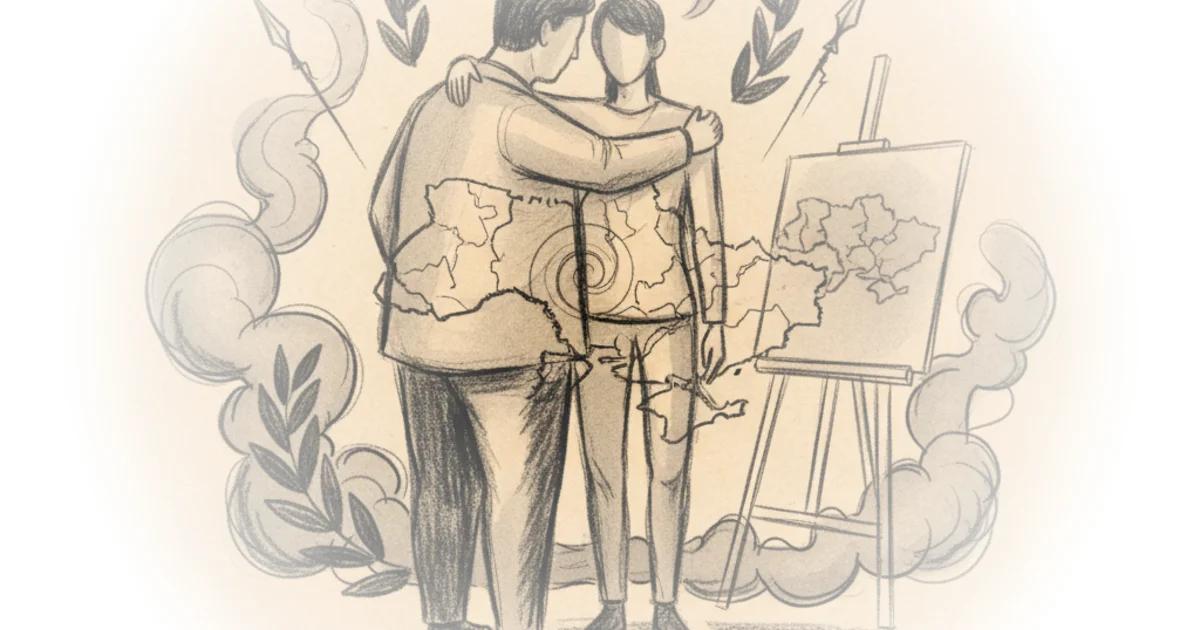
The author argues that the administration's approach is dangerously fluid, shifting rapidly based on the last phone call rather than a consistent strategic framework. Rozen cites Russia expert Sam Greene to highlight this instability, noting that the President "has once again shown himself to be malleable." The implication is clear: when the executive branch's position changes hourly based on the whims of a foreign dictator, the allies on the ground are left in a precarious position. This framing is effective because it moves beyond personality clashes to analyze the structural risk of a negotiation style that lacks institutional memory or firm principles.
If Zelenskyy and his European allies all go home and leave the ball in the Trump/Putin side of the court, the best outcome they can hope for is more confusion.
Critics might argue that flexibility is a necessary tool in diplomacy, allowing for back-channel breakthroughs that rigid stances prevent. However, Rozen suggests that in this specific context, the flexibility is less about negotiation and more about a lack of preparation. The administration appears to be reacting to pressure rather than driving the agenda, a distinction that matters immensely when civilian lives hang in the balance.
The Rush to a Deal
The most alarming aspect of the coverage is the administration's apparent impatience. Rozen writes that "Trump's biggest problem is that he's in a rush," a haste that may lead to accepting terms that are fundamentally unacceptable to Ukraine. The author points out that the push for a trilateral summit ignores the deep-seated reality that the Russian leader "disdains Zelenskyy, who defied him by staying alive and fighting back."
Rozen details how the President's desire to play statesman and secure a Nobel Peace Prize may be clouding his judgment. He was overheard telling French President Emmanuel Macron, "I think he wants to make a deal for me," a comment that reveals a dangerous projection of his own motivations onto a leader known for maximalist demands. The author suggests that the President's team lacks the experienced advisors needed to navigate the complexities of security guarantees, potentially setting Ukraine up for a repeat of the Budapest Memorandum failures.
This analysis holds up under scrutiny because it highlights the human cost of diplomatic shortcuts. A rushed deal that grants Russia a veto on Ukraine's security or fails to secure a genuine ceasefire is not peace; it is a pause in the killing that leaves the vulnerable exposed. As Rozen notes, "To stop the killing as we discuss [a permanent deal] is a necessity," yet the administration's actions suggest the killing might continue while the deal is negotiated.
The Gap Between Promise and Reality
The piece concludes by exposing the chasm between the White House's optimistic readout and the Kremlin's circumspect response. While the administration announced that arrangements for a meeting were "began," the Kremlin foreign policy advisor was far more vague, stating only that they would "study the possibility" of raising the level of talks. "We don't have any date," Zelenskyy told reporters, underscoring the uncertainty.
Rozen's observation that the President "may be learning that Putin is not interested" in a ceasefire or a trilateral meeting is a sobering counter-narrative to the press conference's upbeat tone. The author suggests that the European leaders, despite their warm rapport with the host, are "more clear-eyed and skeptical" about the Russian leader's true intentions. This skepticism is not just political posturing; it is a survival mechanism for nations that have seen the consequences of trusting the wrong assurances.
Bottom Line
Laura Rozen's most compelling argument is that the administration's desire for a quick, headline-grabbing peace deal risks sacrificing the very security guarantees Ukraine needs to survive. The piece's greatest strength is its refusal to accept the President's self-congratulatory narrative at face value, instead grounding the analysis in the skeptical reactions of European allies and the cold reality of the Kremlin's response. The biggest vulnerability in the current strategy is the assumption that a deal can be struck without addressing the fundamental asymmetry of power and the aggressor's lack of good faith; readers should watch closely to see if the administration's "malleability" leads to a sustainable peace or a devastating betrayal.