This piece cuts through the noise of political theater to expose a dangerous erosion of military protocol: the unprecedented decision by the Secretary of Defense to personally authorize lethal strikes, bypassing the very chain of command designed to prevent war crimes. Jordan Schneider and his co-hosts dissect a scenario where the line between tactical necessity and political posturing has blurred, suggesting that the administration's drive for a "tough" image may have directly compromised the legal and ethical safeguards protecting American soldiers from criminal liability.
The Breakdown of Impartial Review
Jordan Schneider frames the core issue not as a failure of the battlefield, but as a collapse of the review process. The article highlights that Secretary Hegseth assumed the role of Target Engagement Authority (TEA), a position typically reserved for theater commanders who can weigh real-time intelligence without political pressure. Schneider notes that this move "breaks the impartial review process," creating a situation where the decision-maker is also the public face of the operation. This is a critical distinction. When the Secretary of Defense sits in the loop, the internal checks and balances that usually protect the chain of command vanish. As Schneider's co-host Justin McIntosh explains, if the Secretary had delegated this to a commander like Admiral Frank "Mitch" Bradley, the Secretary could have served as an unbiased reviewer. Instead, by making himself the decision-maker, he "removed that layer of internal oversight."
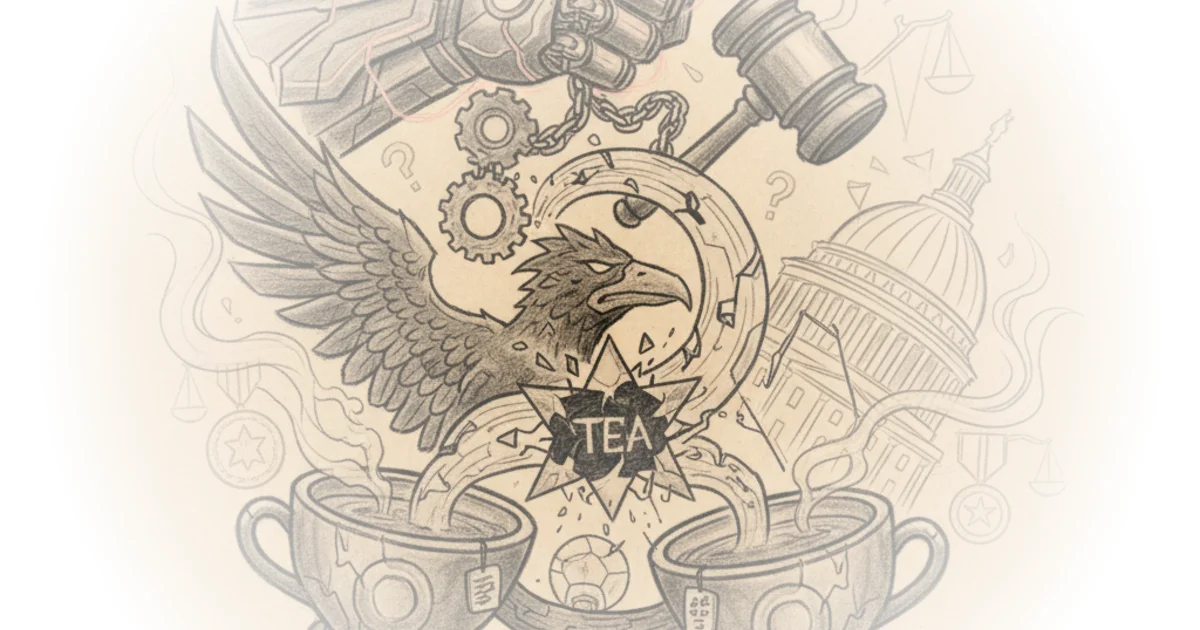
The commentary suggests this wasn't just a procedural error; it was a structural vulnerability. The article details the rigorous standards usually applied, such as "SLANT counts" which tally men, women, and children to ensure collateral damage is minimized. The failure to adhere to these norms in the Caribbean strikes—specifically the 41-minute gap between a sinking vessel and a re-engagement of survivors—points to a breakdown in the "soak" period where targets are observed to confirm they are not protected persons. Schneider argues that the administration's desire to project strength led to a "cartoonish" debate over whether to finish off wounded targets, a debate that should never have happened in a professional military.
"If you say something like, 'Kill them all,' as the TEA, you have technically signed off on whatever happens next."
This quote underscores the gravity of the Secretary's involvement. By signing off on the initial strike, the authority effectively pre-approved the re-engagement, regardless of the changing circumstances on the water. The article draws a sharp line between the "heat of the moment" confusion that might excuse a field commander and the calculated decisions made from a secure office. Schneider points out that commanders removed from danger, "secure in a strike cell with cushy leather chairs," are held to a higher standard because they have the luxury of time to consult the laws of war. The implication is clear: the political imperative to look tough overrode the legal imperative to be precise.
The Human Cost and the Slippery Slope
The piece does not shy away from the human cost of these procedural failures. It invokes the grim reality that a wounded or surrendering enemy is under the care of U.S. forces, a rule drilled into every infantryman. The discussion references the Bataan Death March, noting that when enemies believe capture means death, they fight harder and surrender less. This is not just a moral argument but a strategic one. As McIntosh puts it, "If your forces are known to treat POWs well, there will be more enemy defections."
Schneider connects this specific incident to a broader pattern of behavior, noting that the Secretary's background in defending controversial figures like Eddie Gallagher may have instilled "twisted lessons" about the value of military ethics. The argument is that this incident is not an isolated error but a symptom of a leadership philosophy that prioritizes aggression over the rule of law. The article suggests that the administration's attempt to shift the risk-benefit calculus for drug traffickers by publicizing these strikes has backfired, turning a tactical operation into a political liability.
Critics might argue that the pressure to act decisively against transnational criminal organizations justifies a more aggressive posture, and that the "gray areas" of modern warfare require leaders to make hard calls without the luxury of perfect information. However, the article counters that the 41-minute window provided ample time for deliberation, making the decision to re-engage survivors a choice, not a necessity. The failure to distinguish between an active threat and a sinking vessel suggests a fundamental misunderstanding of the laws of war.
"Warfare is ugly. I allow for confusion in the heat of the moment. But as a commander, you have to see the bigger picture. Is there an active threat? How do the benefits weigh against the costs?"
This distinction is the crux of the article's moral argument. The authors suggest that the administration's approach has blurred the line between legitimate self-defense and extrajudicial execution. By publicizing the strikes to "look tough," the leadership has invited scrutiny that they are now ill-equipped to handle. The article warns that this behavior is "disgusting and counterproductive," potentially undermining the very mission it seeks to advance by eroding the moral high ground that the U.S. military has historically claimed.
Congressional Reckoning and Institutional Fallout
The final section of the commentary shifts to the political fallout, predicting a fierce response from Congress. Schneider observes that while oversight was initially muted, the House and Senate Armed Services Committees are now "dialed to 10." The article suggests that Congress, which "hates being lied to, having its funds misused, and having its power usurped," will not let this slide. The potential for restrictive National Defense Authorization Act (NDAA) items looms large, which could tie up the administration's entire agenda.
The article highlights the career risks for military officers caught in this crossfire. If the Secretary of Defense is forced to resign or is impeached, the officers who executed the strikes may also face consequences. Schneider notes that a critical mass of officers may soon decide, "I am not risking my career, my livelihood, and my pension for this." This could lead to a breakdown in the chain of command, where officers refuse to carry out orders that they perceive as illegal or politically motivated. The retirement of the SOUTHCOM commander is cited as a potential early warning sign of this internal dissent.
"Congress failed by not immediately saying, 'That's weird, we should ask about that.'"
This reflection on congressional inaction adds a layer of institutional critique. The article suggests that the delay in questioning the early retirement of key commanders allowed the situation to fester. Now, with the midterms approaching, the political stakes are higher, and the administration has fewer options to manage the fallout. The piece concludes that the administration's strategy of using military force as a political tool is unsustainable and may ultimately lead to a crisis of confidence in the military's ability to operate within the bounds of the law.
Bottom Line
The strongest part of this argument is its rigorous dissection of the Target Engagement Authority process, demonstrating how the Secretary's personal involvement dismantled the very safeguards designed to prevent war crimes. Its biggest vulnerability is the reliance on unverified details about the specific orders given during the strike, though the procedural breakdown is well-documented. Readers should watch for the upcoming congressional testimony of Admiral Bradley and the potential for new legislative restrictions on executive war powers, as these will determine whether this incident remains a footnote or becomes a defining moment for military ethics.