The Obsession That Perfumes Your Fingers
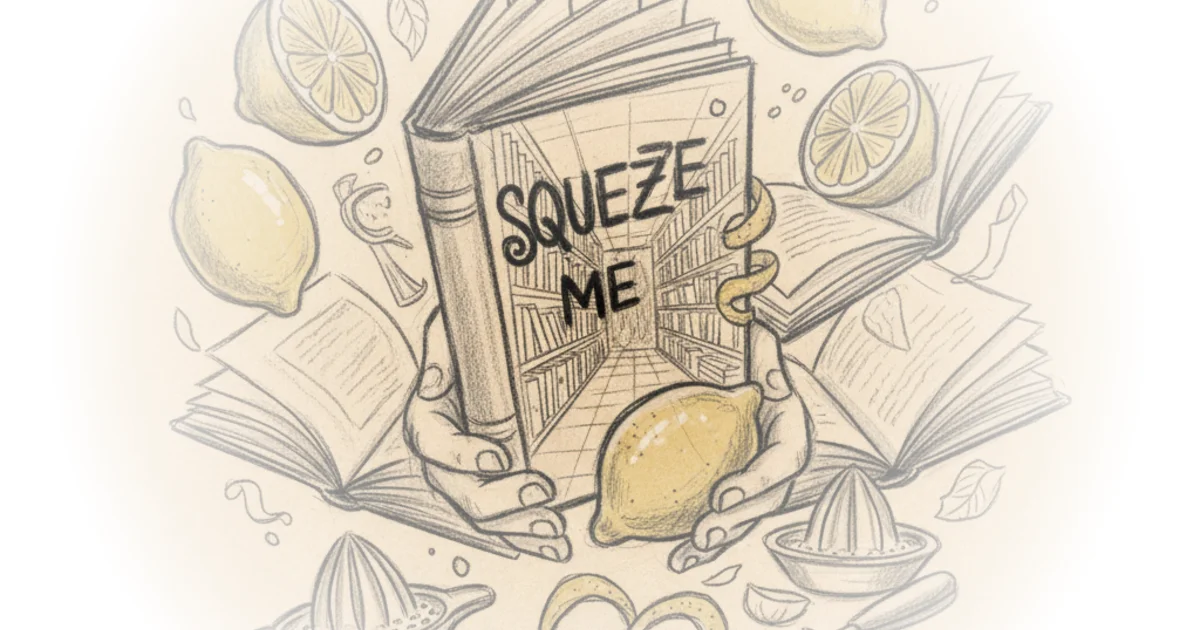
Some ingredients demand attention. Lemons arrive in Ruth Reichl's life like recurring characters in a novel — impossible to ignore, impossible to resist. Her latest meditation on citrus begins not with a recipe but with a discovery: a cookbook called Squeeze Me, featuring art by Edward Ruscha and recipes by Ruthie Rogers, all devoted to the fruit she cannot live without.
Reichl writes, "Lemons kept floating into my life this week, as if intent on making me write about them." The observation captures something true about how certain foods colonize our attention. They become more than ingredients — they become obsessions, gateways to memory, markers of pleasure.
The Platonic Ideal
Not all lemons are equal. Reichl makes this clear when she encounters real Sorrento lemons from Italy's Amalfi coast. These are not the "nasty, seedy little lemons" found in supermarkets. They have unwaxed peels filled with oil that perfume your fingers each time you pick them up.
"Slice one open, give it a squeeze and what you have is the platonic ideal of lemons: abundant juice with perfectly balanced tartness."
The distinction matters. Industrial agriculture produces lemons that look like lemons but lack the essential qualities — the oil, the aroma, the juice-to-pulp ratio — that make lemons worth cooking with. Reichl's obsession is not with lemons as category but with lemons as they actually taste when grown properly.
A friend introduces her to a lemon squeezer that folds flat. Reichl resists at first — lemons and their tools deserve space — but the device proves impressive. It extracts maximum juice, filters seeds, changes the workflow. Small tools, when well-designed, alter how we experience ingredients.
It wasn't food; it was magic on a plate, and for a moment I disappeared into the flavor.
Danny's Kitchen
The piece's center of gravity is a dinner at Danny Kaye's house. Kaye — the Hollywood actor, the man who looked "just as he had in all the movies of my childhood" — was also, Reichl discovers, one of the best cooks she has ever met.
The visit begins with panic. Reichl arrives alone, nervous, nearly fleeing before ringing the bell. Kaye greets her with theatrical severity: "You're late. Six minutes. You could have ruined dinner." The kitchen is a theater, designed for his body alone — counters calibrated to his height, tools hand-made for his grip, a round table positioned so diners face the stove. The cook is the star.
Reichl writes, "Danny was desperate for an audience; cooking for people who didn't pay attention ruined it for him." This is not hospitality in the conventional sense. It is performance, and the audience must be worthy.
The meal unfolds like ritual. Lemon-grass broth that resonates "like a bell still humming." Pasta so thin it seems to vanish, leaving only the sauce's subtlety. Liver like "velvet between satin slivers of onion." A lemon soufflé that collapses onto itself with a fragrant sigh.
"I think it's the best meal I've ever eaten," Reichl says as she leaves. Kaye nods. "You have to come back." The test has been passed.
Critics might note that this portrait of Kaye — the imperious genius, the one-man kitchen, the cook who demands appreciation — romanticizes a certain kind of culinary masculinity. The theater-stage kitchen, the hand-made cleaver, the insistence that diners eat now before the dish loses its magic: these are power dynamics, not just aesthetics. Reichl acknowledges the dynamic but does not interrogate it.
The Recipes That Remain
Reichl's lemon obsession extends back to her first cookbook, A Feastiary, published in 1971, which devoted an entire chapter to lemons. She has written about lemons repeatedly — in Comfort Me with Apples, in My Kitchen Year. The recipes she shares here are practical anchors to the memoir:
- Danny's Lemon Pasta: butter, cream, lemon juice, fresh egg fettuccine, zest, Parmesan. Simple, but the timing matters — the dish "can only be served to people eating in the kitchen."
- Tart Lemon Tart: cashew-almond crust, lemon curd filling, cornstarch for structure.
- Lemon Panna Cotta: cream, lemon juice, sugar. No gelatin — the lemon juice itself sets the custard. "Ethereally fragile and very delicate."
These are not recipes as instruction but recipes as memory. They encode the moments when Reichl learned what lemons could do.
Bottom Line
Reichl's lemon meditation is less about citrus than about attention — the way certain ingredients demand we notice them, the way certain cooks demand we watch them work. Danny Kaye's kitchen was a stage, but the performance was real: food that disappeared into flavor, that left resonance humming after the last bite. The recipes matter, but the lesson is simpler. Some obsessions are worth keeping. Lemons, properly sourced and properly handled, remain one of them.