This piece from The Pillar does something rare for a Friday roundup: it refuses to let the noise of geopolitical friction drown out the spiritual core of the Easter season, even as it dissects a bizarre diplomatic spat between the Vatican and the Pentagon. While other outlets chase the sensationalism of a reported threat, the editors pivot to a deeper question about the nature of papal authority and the human struggle to accept grace without earning it. It is a masterclass in balancing the immediate news cycle with the timeless rhythms of the Church.
The Discomfort of Grace
The commentary opens not with a headline, but with a confession about the difficulty of joy. The editors argue that for many believers, the default setting is "self-examination and reproach" rather than the "gratitude and joy" demanded by the Easter Octave. They note, "I love the idea of a week — an entire season of 50 days, even — of compulsory feasting," yet admit that the human instinct is to retreat into the safety of Lenten austerity. This framing is potent because it identifies a universal spiritual blockage: the inability to accept unmerited favor. The piece suggests that the resistance to this feasting is rooted in a "discomfort with the superabundance of God's gratuitous love."
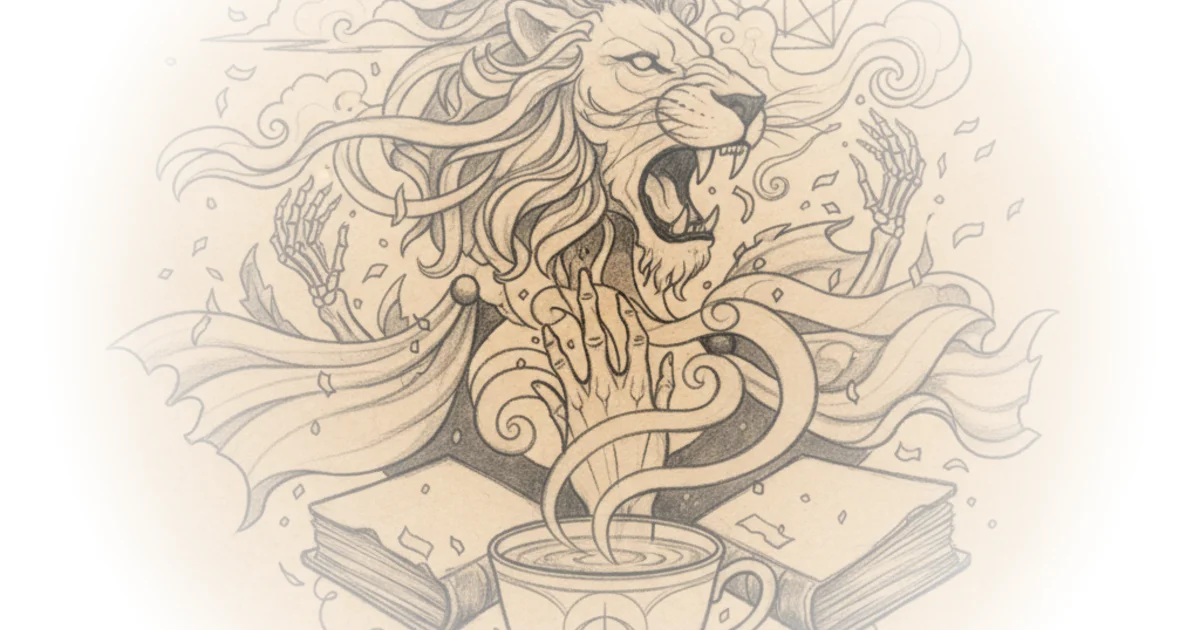
This observation lands with particular weight when viewed against the backdrop of the Church's historical depth. The editors are writing in a tradition that stretches back to Hippo Regius, the ancient city in North Africa where Saint Augustine served as bishop and grappled with the very tension between human merit and divine grace. Just as Augustine navigated the complexities of his time, the editors suggest that modern believers are still wrestling with the same "nagging voice" that says "get back to work" rather than resting in the resurrection. The argument is that to refuse the invitation to feast is to "decline my invitation to join Christ," a stark reminder that the liturgical season is not merely a calendar event but a relational imperative.
"My greatest temptation is to self-justification... leading me to try to mitigate my own sins as much as allow myself only as much joy as I think I have earned."
The Avignon Anecdote and Diplomatic Reality
Shifting from the interior life to the exterior chaos, the piece tackles a wild report from the Free Press regarding a meeting between the Vatican nuncio and Pentagon officials. The story claims that during a tense exchange over a papal address, a U.S. official invoked the Avignon Papacy of the 1300s—a period when the French Crown effectively held the papacy captive—to imply military leverage. The Pillar treats this claim with a mix of skepticism and sharp analysis. The editors write, "The reported Avignon papacy reference and implied threat I found downright comical," questioning the logic of a modern superpower threatening to turn the Holy See into a puppet state.
The piece argues that such a threat would be self-defeating for the U.S. government, noting that "the more you attempt to browbeat or threaten the pope, the more moral authority you give him." While the Pentagon and Vatican have both denied the specific threat, the editors acknowledge that the meeting itself was real and that recollections of the tone vary wildly, with some describing it as "cordial" and others as "aggressive." This nuance is crucial; it refuses to simply debunk the story as fake news but instead analyzes the source of the rumor. The editors suggest the story likely originated from a "junior government staffer... playing fast and loose with his narration," a plausible explanation for how a historical analogy gets twisted into a modern threat.
Critics might note that dismissing the anecdote as mere embellishment risks underestimating the genuine friction between the executive branch and the Holy See over policy differences. However, the piece's insistence on the Holy See's immunity to military coercion remains a strong analytical point. As the editors put it, "If there is one diplomatic power in the world immune to implied military force or economic sanction, it's the Holy See."
A Church in Motion
Beyond the diplomatic drama, the roundup highlights significant structural shifts within the global Church. The editors report on Pope Leo XIV's upcoming trip to Africa, a historic first for the Algerian leg, where he will visit the site of Hippo. This journey is framed not just as a diplomatic tour but as a continuation of the evangelization work overseen by the Dicastery for Evangelization, with Archbishop Fortunatus Nwachukwu providing context on the challenges and opportunities in the region. Simultaneously, the piece notes the resignation of Cardinal Louis Raphael Sako, the leader of the Chaldean Catholic Church, and the subsequent synod meeting in Rome to elect his successor. These events underscore a Church that is constantly recalibrating its leadership and geographic focus.
The editors also touch on the growing tension in the United States regarding the Pope's role in domestic affairs. With 14 cardinals recently aging out of the conclave, the question of who the next generation of leaders will be looms large. The piece observes that "what the American pope has to say matters a great deal to the American government," yet Leo XIV has no plans to return to the U.S. this year. This absence raises questions about the Pope's vision for his homeland and whether a pontiff can remain a neutral spiritual figure while his home country faces intense political polarization.
"If there is one class of person I am willing to claim I understand, it is curial civil servants... they absolutely don't try to conduct state-to-state relations through press briefings."
Bottom Line
The strongest part of this piece is its refusal to let the sensationalism of the Pentagon story obscure the deeper theological and diplomatic realities at play; it treats the Avignon anecdote as a symptom of a larger tension rather than the story itself. Its biggest vulnerability is the reliance on anonymous sources to debunk the specific details of the threat, leaving a small window of uncertainty. Readers should watch how the administration navigates the Pope's upcoming Africa trip and whether the diplomatic friction reported in January resurfaces as the Pope's influence on U.S. policy becomes more pronounced.