In a literary landscape often dominated by academic gatekeeping or reactionary culture wars, Naomi Kanakia offers a refreshingly pragmatic defense of the Great Books that sidesteps the usual doom-and-gloom rhetoric. Her central claim is counterintuitive: rather than viewing classic literature as a dying tradition under siege, we should recognize it as a thriving, accessible, and uniquely American phenomenon that offers the most potent form of diversity available to the modern reader.
The Case for the Canon
Kanakia frames her upcoming book not as a memoir or a polemic, but as a "sustained argument for the value of reading the Great Books on your own." She acknowledges the elephant in the room—that the canon is "mostly by white men"—but argues that this specific collection offers a unique kind of value that contemporary works cannot replicate. "I don't just make an abstract case for literature; I make a concrete case that reading this canon of old books, that're mostly by white men, is the best way of accessing whatever value literature has to offer," she writes. This is a bold stance in an era where such a claim often invites immediate dismissal, yet Kanakia grounds it in the sheer quality and historical weight of the texts rather than abstract moralizing.
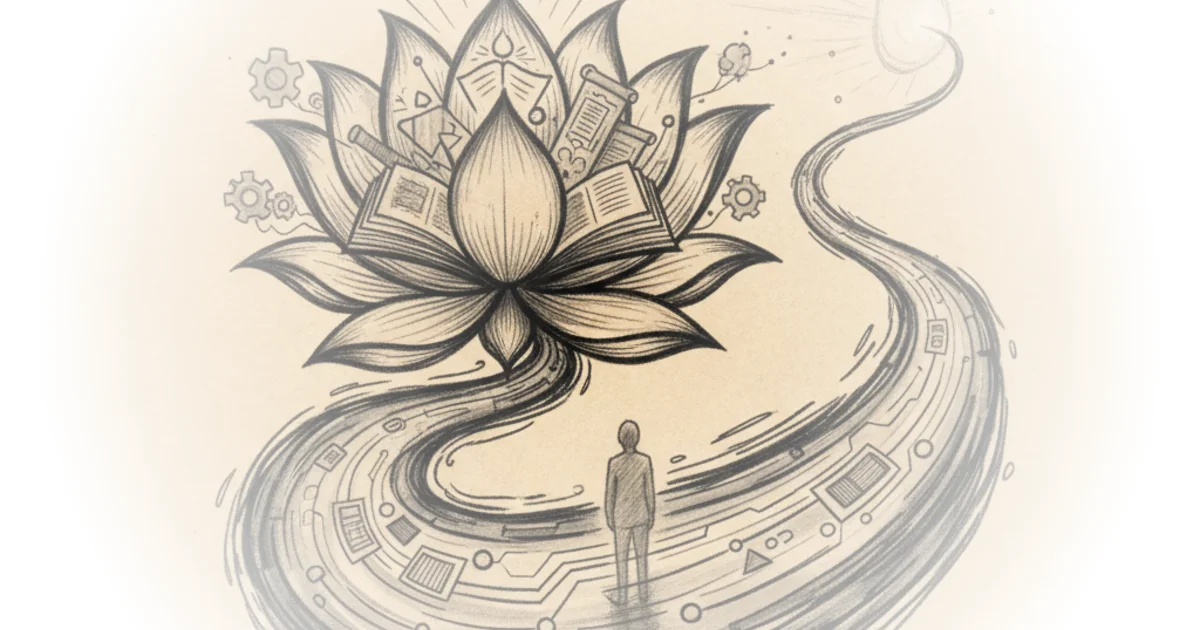
She identifies three pillars supporting her argument: quality, influence, and a specific type of diversity. While most readers agree that literature is good, Kanakia pushes them to ask harder questions: "Why Plato instead of Frantz Fanon? Why Tolstoy instead of Don Delillo?" Her answer lies in the alien nature of these texts. She argues that the true diversity of the Great Books comes from their distance from us in time and culture, offering worldviews that are "impossibly alien" compared to modern sensibilities. "Even a writer like Jane Austen, who's been embraced by modern readers, writes in a style that is very alien," Kanakia notes, highlighting how the act of reading these books forces a genuine engagement with a foreign mindset.
"To the extent that a book can 'harm' the reader, that's actually a good thing. Because whatever happens, it'll happen because you encountered a new idea that you found convincing—an idea that changed your life."
This willingness to embrace the discomfort of changing one's mind is perhaps the piece's most provocative element. Kanakia suggests that the regressive attitudes found in these books are not bugs, but features. "My perspective is that yes, the Great Books often advance different ethical, moral, and religious ideas from our own and…that's good!" she asserts. By reframing the potential for offense as an opportunity for intellectual transformation, she attempts to disarm the modern anxiety that reading these texts is inherently harmful. Critics might note, however, that this framing risks minimizing the very real impact of internalizing harmful ideologies, particularly for readers without the critical tools to contextualize them. Yet, Kanakia's personal anecdote about reading the Mahabharata and shifting her worldview serves as a testament to her belief that exposure to foreign ideas is the ultimate goal of education.
Beyond the Doomerism
A significant portion of Kanakia's commentary is dedicated to dismantling the narrative that the classics are in danger of extinction. She observes that much of the current writing on the subject is couched in "hopeless, doom and gloom terms," often echoing civilizational rhetoric that alienates potential readers. "I don't really think classical literature is under threat," she writes, pointing out that one can walk into any bookstore and find Milton or Austen. "These writers will outlive the university, they will outlive the contemporary publishing landscape—they will outlive America."
This optimism is rooted in the rise of a "healthy, thriving lay culture" of readers who engage with classics outside of academic institutions. Kanakia sees the Great Books tradition as a "weird American cultural phenomenon" where ordinary people can "mainline the best of literature, without any preparation or background or special guidance." This accessibility is what makes the tradition productive for contemporary Americans. "The world is full of ordinary people who love the classics, love reading about them, and love discussing them online," she observes, suggesting that the future of the canon lies in this decentralized, digital community rather than in university syllabi.
Bottom Line
Naomi Kanakia's argument succeeds by stripping away the defensive posture that often surrounds the Great Books, replacing it with a confident assertion of their enduring utility and unique capacity to challenge the reader. The strongest part of her case is the reframing of "alien" perspectives as the highest form of diversity, though the argument leaves unaddressed the practical difficulties of navigating these texts without guidance. Readers should watch for how this lay-led, optimistic approach to the canon evolves as it gains traction in the broader literary conversation.