Sarah Orman identifies a cultural shift that goes far beyond literary trends: the emergence of "menopause lit" as a vital lens for examining the structural failures of modern family life and the capitalist patriarchy. While the genre is often dismissed as niche or hormonal, Orman argues that these stories are actually a sophisticated critique of how society treats women's bodies and labor, transforming a biological transition into a political awakening.
The Literary Awakening
Orman begins by tracing her own history with female bodily narratives, noting that until A.S. Byatt's Still Life in the late 1990s, she had rarely encountered serious fiction about a woman's "internal plumbing." She contrasts this with the raunchy prose of Henry Miller or the erotica of Anais Nin, which focused on sex but ignored the medical and domestic realities of female physiology. "Aside from Are You There, God? It's Me, Margaret, I hadn't read anything that dealt seriously with, or even acknowledged the existence of, a female character's internal plumbing," she writes. This historical gap explains why the current surge in books dealing with menopause feels so revolutionary.
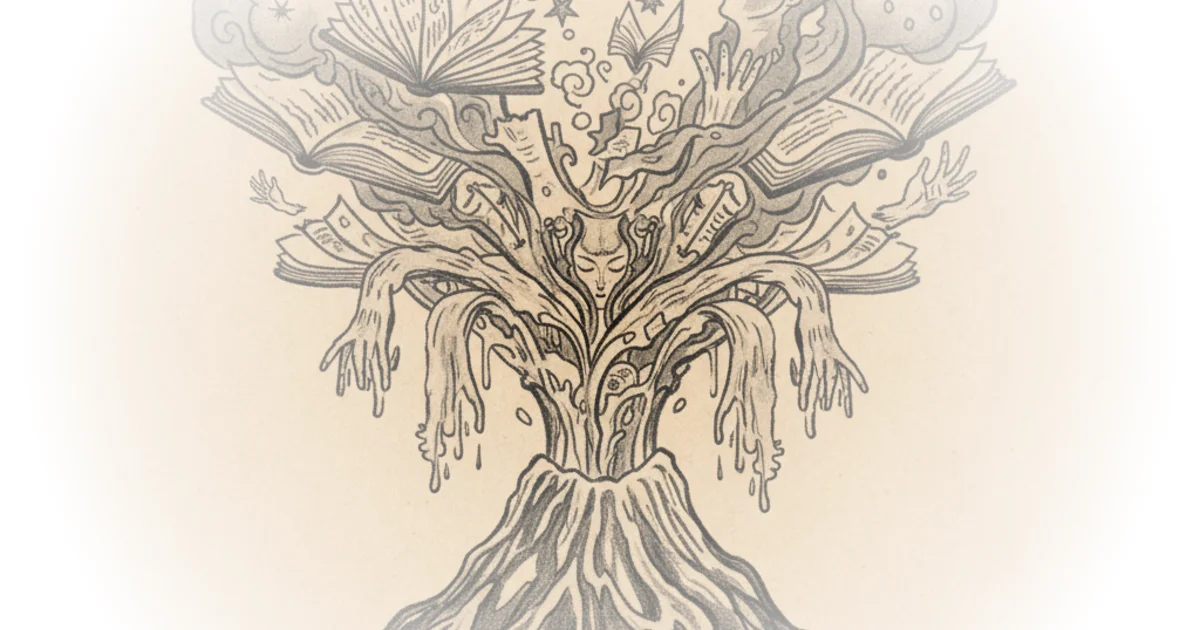
The author points to Miranda July's novel All Fours as the catalyst that turned a quiet interest into a movement. Orman describes the protagonist as a "kaleidoscope, each glittering piece of glass changing as she turns," struggling to maintain a unified self while managing the roles of mother, wife, and artist. The book's impact was immediate and visceral, sparking unprecedented conversation among readers. "People who know me tell me what they're reading all the time, but it's never happened before on this scale: multiple people texting me to share their reactions to the same novel as they were reading it," Orman notes. This communal reaction suggests the book tapped into a deep, shared frustration rather than just a plot device.
Readers, especially women, especially women in middle age, are reading this book and having thoughts—an alarming development in some corners.
Orman acknowledges the media's tendency to frame this engagement as radical or dangerous, citing a New York Times suggestion that book clubs were becoming "covert cells of radical feminist operatives." She pushes back against the implication that women needed a novel to realize that traditional marriage structures can be traps in a crumbling capitalist state. Instead, she argues that the novel simply gave language to a feeling that was already there.
The Stereotype Trap
The commentary takes a critical turn when Orman analyzes Catherine Newman's Sandwich. While the premise of a woman "sandwiched" between aging parents and adult children is relatable, Orman finds the execution frustratingly regressive. The protagonist, Rocky, embodies the stereotype of the middle-aged woman as a "hot, hormonal mess," a trope the author feels Newman leans into too heavily. Orman describes a scene where Rocky's husband minimizes her concerns about missing swimsuits, triggering a rage that Orman attributes not just to biology but to a deeper sense of injustice. "My veins are flooded with the lava that's spewing out of my bad-mood volcano," she writes, capturing the intensity of the character's reaction.
Orman worries that this portrayal risks reinforcing harmful misconceptions for readers outside the demographic. "Might they conclude that a middle-aged woman whose hormones are changing shouldn't drive a car, fly a plane, or run for office?" she asks. This is a crucial counterpoint: while Sandwich aims for humor and relatability, it may inadvertently validate the idea that women in this life stage are incapable of rational thought or leadership. Orman admits she wanted to snatch the book out of a man's hands, fearing it would confirm his biases rather than challenge them.
The Political Standpoint
The most compelling part of Orman's analysis is her pivot from literary critique to political theory. She connects the personal rage of these characters to Nancy Hartsock's concept of the "feminist standpoint," which argues that women's labor and experiences provide a unique vantage point on the failures of male-dominated institutions. Orman writes, "I have long suspected that becoming a mother opened my eyes to all the way in which our daily lives are dictated by a set of policies and assumptions that are not designed... in the best interests of children and families, but actually in direct opposition to those interests."
She illustrates this with the "emperor's new clothes" feeling women experience when observing policies decided by "old men" regarding reproductive healthcare, teacher salaries, and childcare. The overflowing toilet scene in Sandwich and the scatological elements in All Fours are reinterpreted not just as gross-out humor, but as a confrontation with "necessity"—the unglamorous, often invisible labor that keeps society functioning. Orman notes that while the husbands in these novels are "basically good guys," they do not experience the same oppression, highlighting the gendered nature of the burden.
If menopause were an actual substance, it would be spraying from my eyeballs, searing the word ugh across Nick's cute face.
Critics might argue that attributing political rage solely to the biological realities of menopause or motherhood risks essentializing women's experiences. However, Orman's argument is more nuanced: she suggests that the position of women in the family unit forces them to see the cracks in the system that others ignore. The biological changes of menopause, she posits, are merely the catalyst that makes this systemic failure impossible to ignore.
Bottom Line
Orman's strongest move is reframing "menopause lit" not as a genre about aging bodies, but as a genre about the collision between private female experience and public policy failure. Her biggest vulnerability lies in her harsh dismissal of Sandwich, which, while valid for her personal taste, may overlook the book's value in reaching a broader, perhaps more conservative, audience that needs to see these struggles portrayed with humor. The reader should watch for how this literary movement translates into actual political organizing, as the "emperor's new clothes" moment is often the precursor to systemic change.