This piece by Karim Zidan delivers a startling thesis: the recent surge in presidential involvement with athletics is not merely political theater, but a calculated strategy to transform sports into "political infrastructure." Zidan argues that the executive branch is no longer just attending games; it is actively rewriting the rules of competition to enforce a specific cultural worldview. For the busy reader, this is essential context because it reveals that the battles over who can play on which team are not isolated skirmishes, but the frontline of a broader effort to consolidate power and redefine national identity.
The Stadium as a Battleground
Zidan opens with a vivid reconstruction of the administration's return to power, noting how the signing of executive orders at a makeshift desk in Capital One Arena was designed to fuse policy with spectacle. "The spectacle foreshadowed the central role that sports would play in Trump's second term," Zidan writes, highlighting how the administration has moved beyond ceremonial appearances to direct intervention. The author details a rapid-fire series of actions: prohibiting transgender girls from female categories, reviving the Cold War-era Presidential Fitness Test, and establishing task forces for the 2026 World Cup and 2028 Olympics.
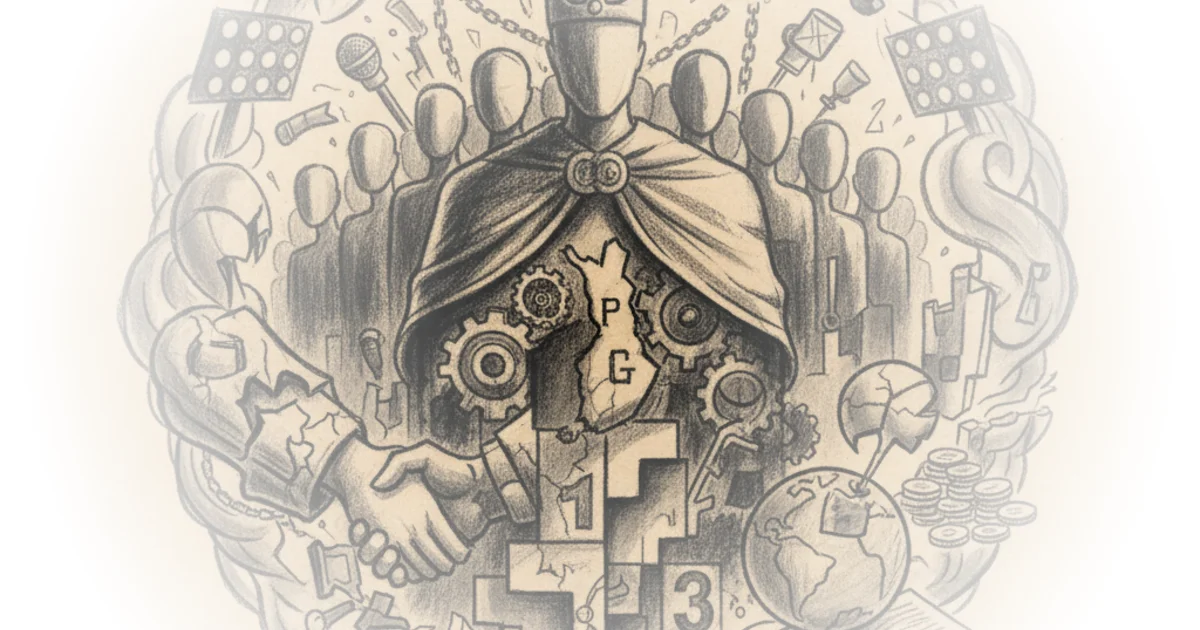
The core of Zidan's argument is that these moves are not about improving athletic performance, but about weaponizing the concept of "fairness." "By tying federal education funding to sex-at-birth athletic rules, appointing professional wrestling executives to national fitness councils, or showcasing World Cup trophies in the Oval Office, he transforms sports policy into a vessel for his political messaging," the author observes. This framing is potent because it strips away the veneer of neutral governance, exposing the machinery of culture-war mobilization. The administration is effectively using the leverage of federal funding to dictate social norms, turning the playing field into a referendum on identity.
For Trump, then, sports are not just entertainment or policy – they are political infrastructure.
Critics might argue that the administration is simply responding to a genuine demand from parents and athletes for competitive equity, rather than manufacturing a culture war. However, Zidan counters this by pointing out the unprecedented nature of the federal overreach, suggesting that the speed and scope of these orders serve a political agenda far beyond the specific mechanics of sports. The author notes that this level of engagement "fuses Trump's cultural instincts with his MAGA agenda to make America great again," turning stadiums into stages for reasserting authority.
The Network of Influence
The piece then shifts from policy to personnel, mapping out the "sprawling cast" of executives and figures who enable this vision. Zidan identifies Ari Emanuel, CEO of TKO (the parent company of UFC and WWE), as a pivotal architect who "plays a behind-the-scenes role in aligning UFC's public image more closely with MAGA politics." The author details how Emanuel's dual role as a former agent for the president and a media mogul creates a unique channel for amplifying pro-Trump narratives to millions of fans.
This network extends to Dana White, the UFC CEO, whose relationship with the administration is described as one of mutual reinforcement. Zidan writes that White "lends Trump credibility and visibility with UFC's broad and loyal fan base," effectively turning a combat sports organization into a political megaphone. The author also highlights the international dimension, noting how FIFA President Gianni Infantino and Saudi Arabia's Yasir Al-Rumayyan leverage these ties to secure political cover for massive financial deals, such as the potential merger of LIV Golf with the PGA Tour.
The argument here is that the administration is not acting alone; it is being facilitated by a coalition of sports titans who see political alignment as a pathway to regulatory goodwill and lucrative global deals. "He has consistently relied on a sprawling cast of athletes, sports executives, media influencers, and politicians to bring his sports spectacles to life and to legitimise his place in the cultural mainstream," Zidan asserts. This reframing is crucial for understanding the resilience of the administration's cultural project; it is embedded in the very business models of major sports leagues.
This is why his unprecedented entanglement with sports cannot be dismissed as mere publicity. It is a deliberate extension of the MAGA project.
One might question whether these executives are truly ideological allies or merely pragmatic opportunists seeking access. Zidan acknowledges the transactional nature of these relationships, noting that figures like Casey Wasserman, who leads the LA 2028 Olympics committee, maintain ties with the White House to "protect and advance major sports initiatives." Yet, the author insists that the cumulative effect of these alliances is a deepening of the administration's grip on the cultural narrative, regardless of the individual motivations of the players involved.
The Human and Institutional Cost
The commentary takes a sharper turn when addressing the human cost of these policies, particularly regarding the exclusion of transgender athletes and the potential erosion of democratic norms. Zidan points to the appointment of Linda McMahon, the former WWE CEO, as Secretary of Education, noting that her role now involves "threatening universities with legal action for refusing to ban transgender girls from women's sports." The author draws a stark line between the entertainment industry's history of scandal and its current political power, noting McMahon's past involvement in damage control for WWE's sexual exploitation allegations.
The piece suggests that this fusion of entertainment, politics, and policy creates a dangerous precedent. "By transforming sports into a platform for his authoritarian-leaning MAGA agenda, Trump risks reshaping not only the role of athletics in American life but also the broader fabric of U.S. society and politics," Zidan warns. The argument is that the administration is using the popularity of sports to normalize exclusionary policies, effectively making the "culture wars" the new normal for federal governance.
Historical context adds weight to this analysis. Just as the Hard Rock Hotel & Casino in Atlantic City once served as a hub for the intersection of gambling, celebrity, and political influence in the 1980s, today's sports arena has become the new nexus for this dynamic. The administration's use of the Capital One Arena for signing ceremonies mirrors the theatricality of past political spectacles, but with the added weight of federal policy enforcement. The stakes are higher now, as the policies enacted are not just about branding but about the fundamental rights of participation in public life.
No previous U.S. president has embedded himself so deeply in the nation's sporting life, especially to consolidate power, amplify culture-war narratives, and erode democratic norms.
A counterargument worth considering is that sports have always been a reflection of societal values, and that the administration is simply codifying existing cultural tensions rather than creating new ones. However, Zidan's evidence of executive orders directly tying funding to specific social outcomes suggests a level of federal intervention that goes beyond mere reflection. The author argues that this is a deliberate attempt to "redefine concepts of fairness and strength to exclude some groups from taking part," which represents a significant shift in the role of the state.
Bottom Line
Zidan's most compelling contribution is the identification of sports not as a distraction from politics, but as the primary vehicle for the administration's current political strategy. The piece's greatest strength lies in its detailed mapping of the personal and professional networks that make this strategy possible, revealing a sophisticated ecosystem of influence. However, the argument's vulnerability lies in its reliance on the assumption that these cultural battles will definitively reshape the broader political landscape, a outcome that remains contingent on public pushback and institutional resistance. Readers should watch closely for how federal funding mandates are implemented in schools and whether the sports industry continues to align with these directives or fractures under the pressure.