Tom van der Linden's year-end survey of cinema bypasses the usual nostalgia trap to argue that 2024's most vital films are not those that offer escape, but those that weaponize sensory overload to expose the fractures in our collective psyche. While many critics chase the next instant classic, van der Linden identifies a year defined by "cinematic maximalism" that deliberately "messes around with our more instinctive wiring," turning the theater into a battleground of conflicting emotions rather than a passive viewing room.
The Body as a Battlefield
The author's most striking observation centers on The Substance, a film he describes as a "twisted fairy tale" where the princess faces dire consequences for wanting everything she desires. Van der Linden argues that the film succeeds where others fail because it refuses to intellectualize the problem of aging and beauty standards. "What often goes wrong here in my view is that the movie will falsely believe that you can solve an emotional response such as arousal by just explaining why that feeling can be harmful," he writes. Instead, the film uses body horror to "fight fire with fire, combating emotion with another conflicting one."
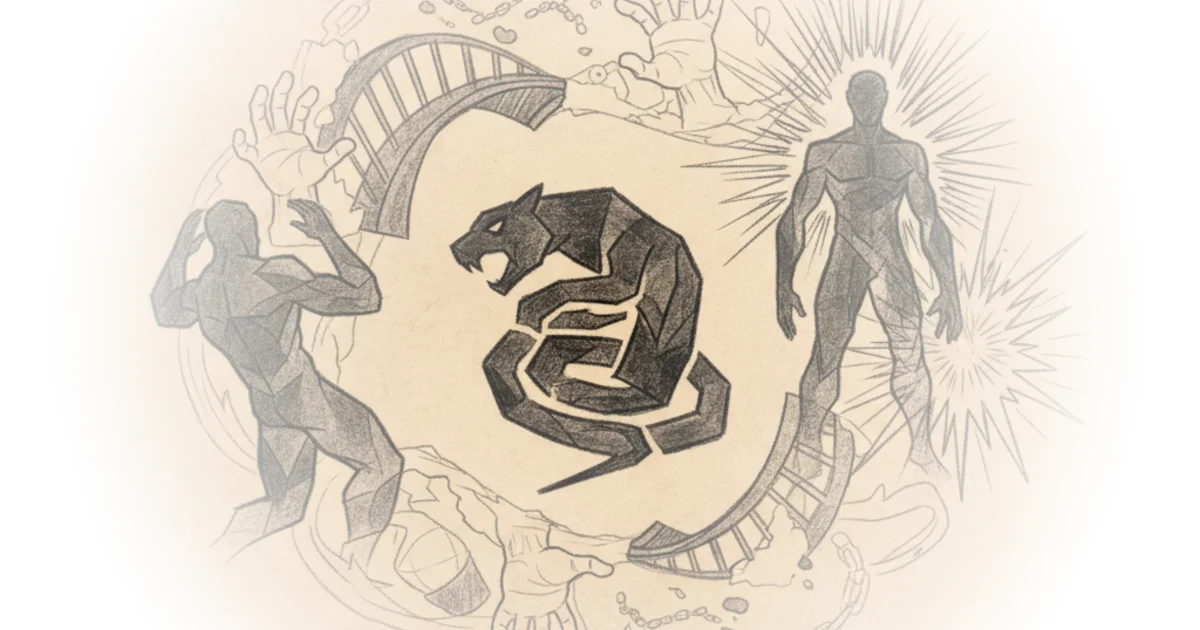
This approach transforms the movie from a simple critique into a profound meditation on alienation. The author suggests that the horror genre is uniquely positioned to reveal the "gap between [the body] and our sense of self," exposing our fragility and mortality in a way that drama cannot. By escalating between arousal and disgust, the film forces the audience to confront the "contentious relationship we so often have" with our own physical forms. Critics might note that such extreme imagery can alienate viewers seeking narrative coherence, yet van der Linden insists the chaos is the point: "it doesn't tell you how to feel or how to feel about your feeling."
It doesn't tell you how to feel or how to feel about your feeling but it really fights fire with fire, combating emotion with another conflicting one.
Action as Interiority
Shifting from the grotesque to the kinetic, van der Linden champions Anora as a masterclass in revealing character through chaos. He defends the film against claims that its protagonist, Annie, lacks depth due to a lack of backstory. "I don't think you have to sit your main character down in front of a mirror in some pensive moment of introspection in order to communicate their interiority," he asserts. Instead, the film demonstrates that "you can also just do that through action."
The author frames the film's frantic energy—described as a blend of The Hangover and Uncut Gems—as a direct reflection of the character's struggle against "greater forces of marginalization." In this view, the "hedonistic fever dream" and the subsequent scramble to prevent disaster are not just plot devices but the very mechanism by which the audience understands Annie's "ingenuity and experience, her naivety and delusions." This reframing is effective because it validates the film's breakneck pace as a narrative necessity rather than a stylistic flourish. The tragedy, van der Linden notes, lies in how the dream collapses to reveal "the damage that was there all along."
The Weight of History
The commentary then turns to Challengers, where the author finds a unique exploration of how the past permeates the present. Van der Linden observes that the film uses its tennis setting to discuss "masculinity and desire," but its true power lies in its temporal structure. "The movie is not just highly entertaining with its high energy presentation but also offers a meaningful reflection of how our consciousness, our entire sense of self is always grounded in history," he writes.
By propelling the audience "back and forth in time," the film illustrates that adulthood is essentially "one big attempt to rectify the wounds of our youth." The author appreciates that the characters are "not particularly sympathetic" and are "very problematic," yet the film achieves a "semblance of victory" by making their motivations understandable. This is a crucial distinction: the film does not ask for forgiveness, only comprehension. The music, cutting in and out during "seemingly innocuous moments," serves as the auditory representation of these "old traumas, fears and desires" rising to the surface.
The Epic and the Intimate
Even when discussing massive blockbusters like Dune: Part Two, van der Linden maintains his focus on emotional resonance over spectacle. He praises director Denis Villeneuve for capturing the "tragic inevitability" of Paul Atreides' descent into becoming a "false prophet." The author notes that the film makes the audience feel "quite sympathetic" toward a character who must choose between perishing or becoming "monstrous." This emotional investment is so profound that the ending leaves viewers with a sense of "sorrow... as if you're already mourning that which is still to come."
The author also touches on the enduring power of older directors, noting that Clint Eastwood, despite being in his 90s, still delivers a "classic moral dilemma" in Juror #2. Similarly, he finds unexpected vulnerability in Francis Ford Coppola's Megalopolis, describing it as a project driven by a "deep vulnerability" and a "great sincerity" in its appeal for hope. These inclusions suggest that van der Linden values the persistence of artistic vision over the novelty of the release year.
Adulthood is just one big attempt to rectify the wounds of our youth.
Bottom Line
Van der Linden's strongest argument is that 2024's best films succeed by refusing to offer easy answers, instead using genre conventions to force a confrontation with uncomfortable truths about the body, history, and power. The piece's greatest vulnerability is its reliance on the viewer's willingness to endure discomfort, potentially alienating those seeking traditional narrative comfort. Readers should watch for how these themes of alienation and the collision of past and present continue to define the cinematic landscape in the coming year.