This piece cuts through the noise of a viral consumer controversy to expose a deeper, more insidious mechanism: the industrialization of childhood insecurity. While the internet debates whether toddler sheet masks are "that deep," Two Truths argues that the real story is how capitalism and patriarchal beauty standards are actively colonizing the earliest years of a child's life, turning self-care into a profit-driven ritual of inadequacy.
The Myth of "Just Fun"
The article immediately dismantles the dismissive attitude surrounding the launch of Rini, a brand marketing sheet masks to children as young as three. When critics suggest the backlash is an overreaction, the piece counters with a stark reality check: "It's really not that deep" is a sentiment that ignores the systemic forces at play. Two Truths reports that the outpouring of criticism began with the brand's launch on November 6, gaining traction only after a celebrity co-founder dismissed concerns in an interview. The editors argue that this dismissal is dangerous because it obscures the true motivation behind the product.
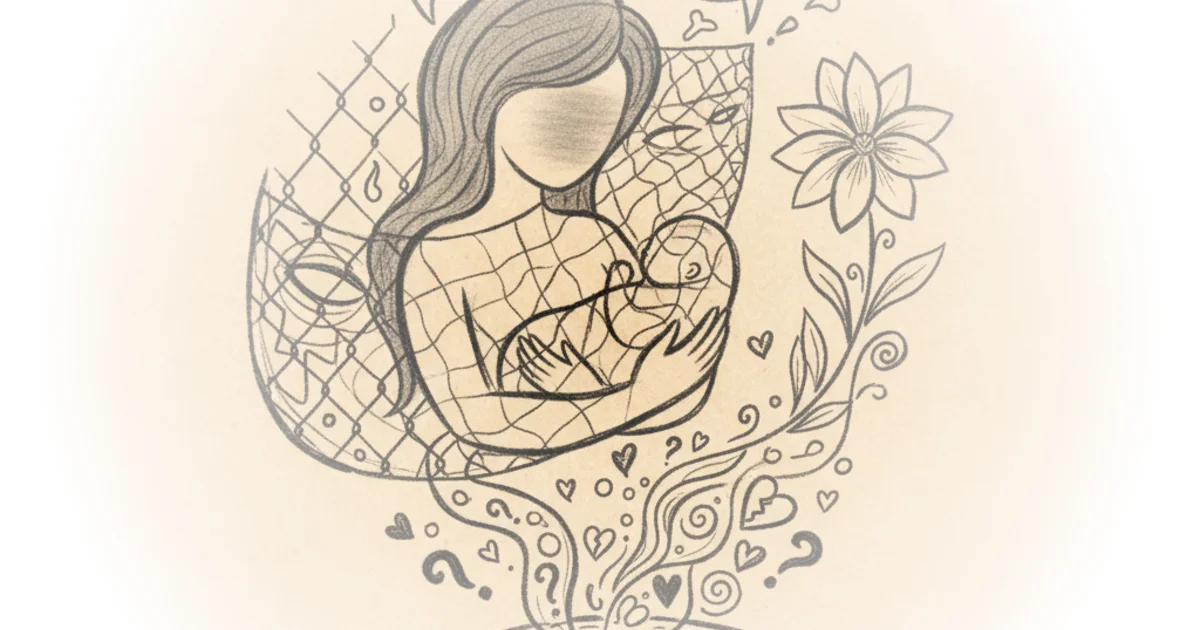
The core of the argument rests on the idea that beauty routines are rarely about health or simple enjoyment. The piece posits that "good" skin is equated with attractiveness, youth, physical health, wealth, and even inherent, moral "goodness." This is not merely an observation about vanity; it is a structural critique of how appearance dictates social power. The editors note that research supports the claim that conventionally attractive women earn higher salaries and find more success, meaning the pursuit of "good" skin is a pursuit of survival in a patriarchal society. By marketing these products to toddlers, the industry is not just selling a mask; it is selling the idea that a child's face is a project that requires fixing.
"In a patriarchal society, all of this equates to more power. Period. Our appearance matters to how others perceive us—and, generally, the more attractive we are, the better we are treated."
Critics might argue that parents should have the autonomy to choose bonding activities for their children, regardless of the commercial nature of the product. However, the piece effectively counters this by highlighting the environmental and psychological costs. The editors point out that sheet masks are single-use products requiring excessive packaging, contributing directly to the destruction of the earth that those very children will inherit. There is nothing "healthy" about overconsumption, and framing it as "bonding" is a rhetorical sleight of hand that masks the commercial intent.
The Biological and Historical Cost
Beyond the economic and social arguments, the commentary delves into the physiological risks of introducing unnecessary skincare to developing skin. The editors remind readers that the skin is an essential part of the immune system and that the skin's microbiome thrives best when left alone. Unless treating a specific medical condition like eczema, applying extraneous products can cause dryness, dermatitis, and inflammatory issues. This aligns with broader historical context regarding the "Beauty Myth," where the definition of health has been repeatedly manipulated to serve commercial interests rather than biological reality.
The piece draws a sharp parallel between the industry's long-standing marketing of "baby skin" to adults and the new trend of selling "baby skin" to literal babies. Two Truths argues that gratuitous skincare for children is actively harmful because it lays the groundwork for a vicious cycle: creating anxieties about appearance in children so they will buy more products later to fix the problems the products themselves created. The editors state, "The beauty industry has long sold the ideal of 'baby skin' to adults... and now it is selling 'baby skin' to literal babies."
This reframing is crucial. It moves the conversation from "is this fun?" to "is this safe?" and "what values are we transmitting?" The article suggests that true self-care is not about adhering to beauty norms but about rest, boundaries, and authentic connection. As the editors note, "Performing beauty is not self-care."
"Sheet masks are a for-profit product in a patriarchal, capitalistic beauty industry that tells us we're flawed, and then sells us the 'fix' for that flaw in the form of an environmentally-damaging, single-use, completely unnecessary product."
The Parental Dilemma
The commentary acknowledges the difficulty of this stance for parents who are themselves products of this system. The editors admit to their own participation in the beauty industrial complex, noting that even they struggle to separate the ritual of skincare from the pressure of aesthetics. They confess that they will still apply products to their faces at night, but they refuse to call it self-care. This honesty strengthens the argument, as it avoids a tone of moral superiority and instead focuses on the collective need to recognize the root of the motivation.
The piece concludes by urging parents to understand the real root of their own motivations before they can help their children navigate a world already imposing these pressures. It recommends further reading on the topic, including Dr. James Hamblin's Clean and Dr. Pooja Lakshmin's Real Self-Care, to help distinguish between genuine well-being and the fallacy that seeking aesthetic beauty is a form of care. The editors emphasize that sitting with this topic is uncomfortable because it requires acknowledging that we are all victims of a system that profits off insecurity.
Bottom Line
Two Truths delivers a powerful, necessary critique that transcends the triviality of a viral product launch to expose the predatory nature of the beauty industry's expansion into early childhood. The argument's greatest strength is its refusal to accept "bonding" as a valid defense for marketing harmful, unnecessary products to toddlers, grounding the critique in both biological fact and sociological theory. The only vulnerability lies in the difficulty of implementation: asking parents to unlearn decades of conditioning while navigating a world that still rewards conventional attractiveness is a steep, perhaps impossible, climb without broader cultural shifts.