Mike Petrilli cuts through the holiday noise to spotlight a policy pivot that could redefine American education accountability: Indiana's bold request to dismantle the federal testing regime in favor of a holistic, skills-based grading system. This isn't just a bureaucratic footnote; it is the first serious test of whether the executive branch will truly return power to the states or merely tweak the edges of a broken system. The stakes are high, as the administration's response could either unlock a new era of educational innovation or expose the fragility of equity protections for disadvantaged students.
The Indiana Experiment
The core of Petrilli's analysis centers on Indiana's proposal to replace traditional test-score dominance with a points-based system that values workforce credentials, work ethic, and collaboration alongside academic mastery. "The proposed grading system assigns points to students based on their academic mastery, measured through test scores, and gives them additional points for other knowledge, skills, and experiences that state education leaders say students need for future success," Petrilli notes, highlighting the shift from pure academics to a broader definition of success. This framing is compelling because it directly challenges the rigid metrics of the Every Student Succeeds Act (ESSA), which has long been criticized for narrowing the curriculum.
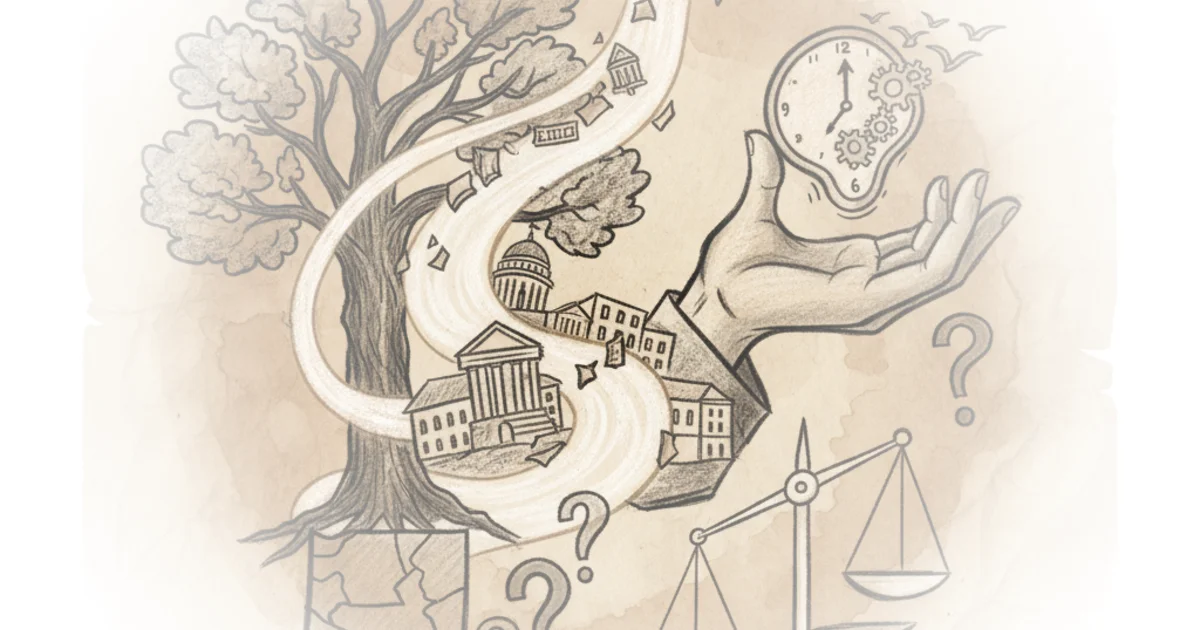
However, the author acknowledges the deep anxiety this generates among reformers who fear a retreat from rigorous standards. Petrilli writes, "It's hard to figure out exactly what this will look like, given how different it is from existing state accountability systems." The concern is not just theoretical; critics argue that allowing schools to earn points for non-academic skills could mask the failure of schools to teach essential literacy and numeracy. Petrilli points out that the proposal lacks a standalone indicator for English language proficiency and fails to clearly explain how student groups will be factored into ratings. "Nicholas Munyan-Penney of Ed Trust is especially worried about accountability for high schools," Petrilli reports, noting that under the new rules, schools could earn full credit for supporting a student without a single test-based measure. This is a critical vulnerability in the proposal, as it risks allowing grade inflation to obscure the true performance of schools serving vulnerable populations.
The state board is expected to vote in January on Indiana's new system, but the federal response will determine whether this becomes a model for the nation or a cautionary tale.
Petrilli suggests that the administration, driven by a desire to decentralize power, is unlikely to reject the waiver outright. "Personally, I think it's naïve to expect Trump officials to reject the waiver proposal outright," he argues, observing that the executive branch has been "insistent (if not consistent) in their desire to return power to the states." This pragmatic assessment forces readers to confront the reality that the debate is no longer about if the rules will change, but how. The question becomes where to draw the line between flexibility and the erosion of civil rights protections.
The Global and Historical Context
To ground the Indiana debate, Petrilli weaves in a broader perspective on accountability, drawing lessons from England's education system and the history of American reform. He cites Natalie Wexler's analysis of Sir Nick Gibb's book, which highlights England's "high accountability, high autonomy" mantra as a driver of impressive gains since 2010. "Wasn't that the theory behind both No Child Left Behind and the American charter school movement?" Wexler asks, a question Petrilli uses to probe why similar strategies have struggled to improve reading outcomes in the U.S. The comparison is sharp: while England moved toward content-based exams, the U.S. has often relied on abstract comprehension tests that encourage schools to "focus inordinately on those skills while downplaying or eliminating subjects like social studies and science."
This historical lens adds depth to the current policy dispute. Petrilli notes that the failure to make progress on reading is a persistent issue, echoing the concerns of scholars like Robert Pondiscio and E.D. Hirsch who advocate for ditching generic reading tests in favor of content-rich assessments. The Indiana proposal, with its emphasis on "skills like work ethic and communication," risks repeating the mistake of prioritizing soft skills over the hard knowledge required for deep comprehension. Yet, Petrilli also acknowledges the potential for "reciprocal accountability," a concept Heather Hough champions, which "honors the expertise of local educators while also acknowledging that the state holds the ultimate constitutional authority for educating students."
Critics might note that the English model relies on a centralized curriculum that the U.S. lacks, making direct comparisons difficult. Furthermore, the push for local autonomy in Indiana could lead to a patchwork of standards that makes it impossible to compare school performance across state lines. Petrilli doesn't shy away from these complexities, asking readers to consider whether "reciprocal accountability" can truly lead to a "truce in the accountability wars" or if it will simply shift the battleground.
Beyond the Waiver: The Broader Landscape
The commentary extends beyond Indiana to touch on the wider ed-tech debate and the economics of teacher compensation. Petrilli engages with Michael Horn's nuanced take on small-group instruction, arguing that the effectiveness of the approach depends entirely on what students do when not directly taught. "This isn't an argument for divvying students up based on flawed notions of leveled reading," Horn writes, as cited by Petrilli, but rather for "increasing active learning, ensuring students master the skills they're working on." This distinction is crucial in an era where digital learning is often blamed for declining achievement.
Conversely, Petrilli highlights the skepticism of Jared Cooney Horvath, who argues that "reading from screens often triggers an unconscious shift from deep comprehension to shallow skimming." Petrilli admits he is "skeptical of mono-causal explanations" but concedes that the "digitization of everything was surely a mistake." This balanced approach prevents the commentary from becoming a simple pro- or anti-tech rant, instead focusing on the pedagogical outcomes. The piece also touches on the wastefulness of tying teacher pay to master's degrees, with Chad Aldeman showing that the system "encourages teachers to spend time and money on dubious degrees and wastes the public's scarce dollars."
Bottom Line
Petrilli's strongest move is framing the Indiana waiver not as a partisan victory or defeat, but as a critical stress test for the future of federal education policy. The argument's greatest vulnerability lies in its reliance on the assumption that state-level innovation will naturally protect equity without robust federal guardrails. Readers should watch closely to see if the administration's enthusiasm for state flexibility overrides its commitment to civil rights enforcement, as the outcome will likely set the template for the next decade of education reform.