In a landscape saturated with polished gear reviews that prioritize aesthetics over utility, Benn Jordan cuts through the noise with a raw, unfiltered assessment of why some beloved synthesizers fail the modern musician. The piece's most striking claim is not that a specific machine sounds bad, but that the very limitations and idiosyncratic workflows of cult classics like the Elektron Machine Drum and Tempest have calcified into barriers that stifle creativity rather than inspire it. For the busy professional who values time as much as tone, Jordan's argument that "doing what you want to do" is the only metric that matters offers a necessary corrective to the hype cycle driving prices of vintage gear to absurd heights.
The Myth of the Perfect Workflow
Jordan sets the stage by acknowledging the high production value of his own content while immediately undercutting the industry's obsession with presentation. He notes that while others produce "entertaining awesome synth reviews that are shot way too well," his channel serves a different purpose: providing "solid opinion and like ways to think out of the box making music." This distinction is crucial. It shifts the focus from the gear as a status symbol to the gear as a tool for actual creation. Jordan argues that the community often conflates the difficulty of using a machine with the depth of its sound, a confusion he sees as a trap for new buyers.
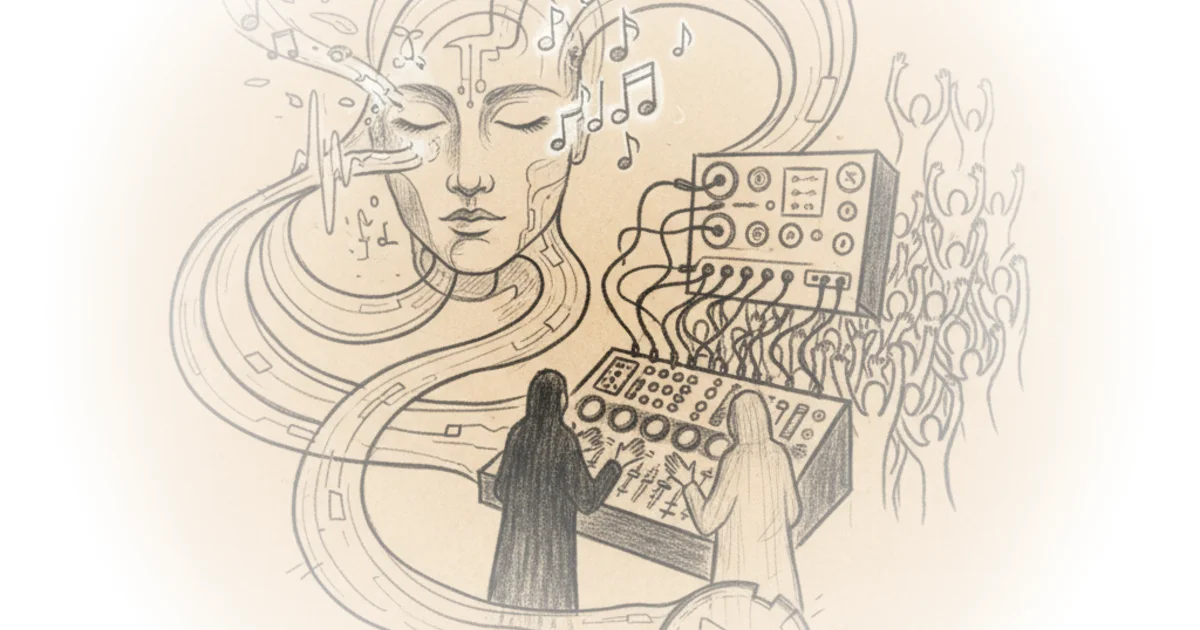
He illustrates this with a candid admission about the Elektron Digitone, a synth often praised for its unique character. "Every time I used it I was trying to use everything on it," Jordan explains, describing how the instrument's complexity led to a scattered workflow where he was "making kick drums and next thing you know I'm making a techno track and using all the voices." The core of his argument is that a machine's interface can dictate the creative output so heavily that the user cannot escape the instrument's inherent sonic fingerprint. This is a powerful observation for anyone who has ever bought a piece of gear only to find their music sounding exactly like the machine's demo tracks.
"I think what separates anyone from anyone is just like doing what you want to do."
Jordan takes this further by addressing the controversial nature of his own past reviews, specifically regarding the Behringer clones and Elektron's Digimachines. He admits that his honest assessments, such as telling people they "don't need them if you have the Tempest," have drawn ire from passionate fanbases. "People are very passionate about it," he notes, but he refuses to compromise his integrity to avoid "smoke" in the comments. This stance is effective because it prioritizes the user's time and money over the manufacturer's marketing or the community's tribalism. Critics might argue that dismissing complex instruments like the Octatrack or Machine Drum alienates the very users who thrive on their steep learning curves, but Jordan's point remains: if the workflow slows you down, it is failing its primary function.
The Economics of Obsession
The commentary shifts from technical critique to the economic reality of the synthesizer market. Jordan highlights the absurdity of prices soaring for machines with "not very intuitive" interfaces. He points out that the Elektron Tempest, a machine he loves, has seen its price jump to "2,500 now," a figure he deems ridiculous for a tool that requires significant muscle memory to operate effectively. He draws a parallel to the Akai MPC60 and the E-mu SP-1200, noting that while they have a "super crunchy" sound, the workflow is a "pain" that often leads to disappointment for those who buy them based on the reputation of artists like J Dilla.
Jordan's analysis of the market reveals a disconnect between the "NPCs" (non-player characters) in the community who buy gear because "he used it and therefore it's going to be it's great" and the actual utility of the instruments. He recounts a personal anecdote about selling an Allen & Heath mixer where a buyer tried to undercut him, leading to a confrontation where Jordan simply stated, "because you're a jagoff." While colorful, this story underscores a deeper point: the market is driven by emotional attachment and tribal loyalty rather than rational assessment of value. He suggests that the "respectful funeral" of machines like the Machine Drum and Mono Machine is overdue, arguing that their interfaces are "anti-workflow" and that they "slows you down" in an era where speed and efficiency are paramount.
"I wouldn't advocate for the machine drum to be re-released either. I think both of those things have had a very respectful funeral and I don't think that they have too much place today."
This is perhaps the most provocative stance in the piece. By suggesting that these instruments have "died" and should not be resurrected, Jordan challenges the nostalgia that fuels the vintage gear market. He acknowledges that these machines have a unique sound, but argues that the cost of accessing that sound in terms of time and frustration is too high for most modern producers. He contrasts this with the limitations of newer gear like the Isla Instruments S2400, which he appreciates precisely because its limits "bring on its own sense of creativity" without the baggage of a broken workflow.
The Bottom Line
Jordan's commentary succeeds because it strips away the mystique of expensive synthesizers to reveal the practical realities of music production. His strongest argument is that the "workflow" is the true measure of a tool's worth, and that the industry's obsession with vintage limitations often obscures the fact that these machines are simply inefficient. The biggest vulnerability in his position is the potential dismissal of the creative potential found in struggle; for some artists, the friction of a difficult interface is exactly what sparks innovation. However, for the pragmatic listener, Jordan's verdict is clear: do not let the hype of a machine's history or the sound of a famous artist's track convince you to buy a tool that will slow you down. The future of music production belongs to those who can move fast, not those who are stuck debugging a 1990s interface.