Cory Doctorow exposes a brutal truth that the advertising industry has spent decades trying to hide: the entire surveillance economy is built on a foundation of mutual deception. While most critics focus on the invasion of privacy, Doctorow argues that the real scandal is that these companies are lying to their paying customers just as ruthlessly as they lie to the users they spy on. This isn't just about data theft; it's about a $200 billion fraud where the product being sold is a fantasy.
The Great Con
Doctorow dismantles the common assumption that "if you're not paying for the product, you're the product." He argues this framing lets the industry off the hook for the second half of the equation. "Companies that cheat when the opportunity arises will cheat everyone: customers, users, regulators, suppliers and employees," he writes. The core of his argument is that the digital surveillance swindle is a con from top to bottom, where the lies told to advertisers are just as egregious as the lies told to users.
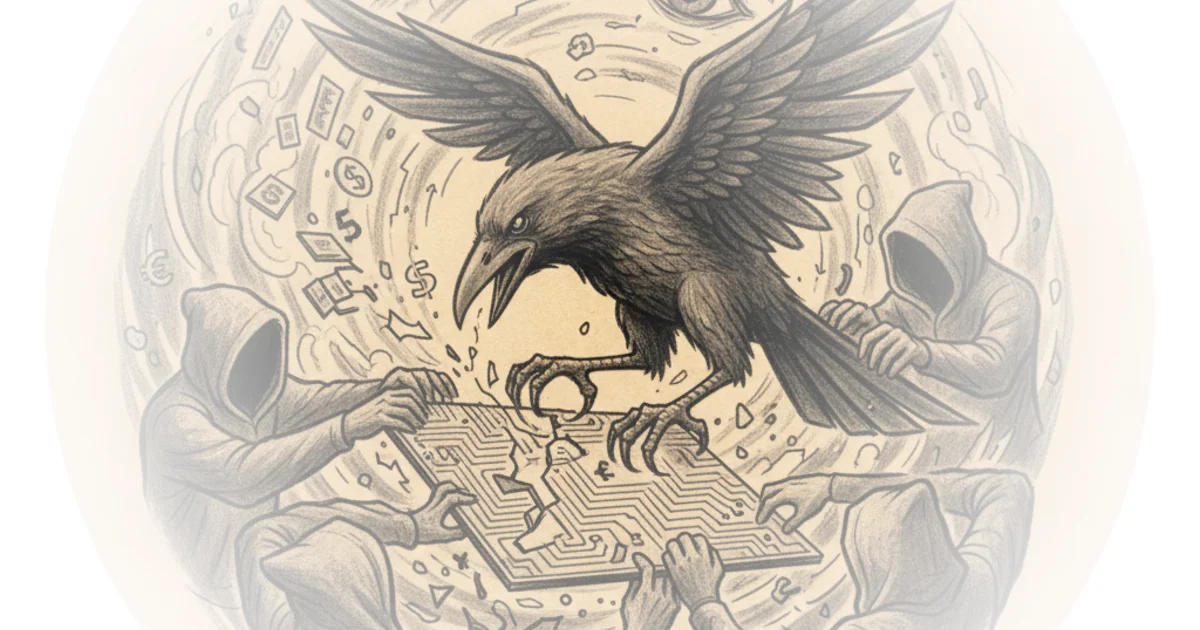
The author points out that if terms of service were honest, they would read like a confession to assault and theft. Instead, they rely on obfuscation. "They're not just cheats, in other words – they're also liars," Doctorow asserts. This dual deception is the engine of the industry. They trick users into surrendering data and then trick advertisers into believing that data is valuable for persuasion.
The digital surveillance swindle is a con from top to bottom: it's not just that they spy on you, it's also that they lie to you about how and why and where they spy on you and what happens to the data they swindle out of you.
This framing is powerful because it shifts the blame from the naive user to the predatory business model. It suggests that the industry's survival depends on maintaining a fiction that even its own clients are starting to doubt.
The Myth of the Mind-Control Ray
A significant portion of Doctorow's commentary targets the "criti-hype" that surrounds ad-tech. He references Tim Hwang's 2020 book, Subprime Attention Crisis, to argue that the fear of "dopamine hacking" is actually a sales pitch. "The idea that ad-tech companies have realized the ancient dream of building a mind-control ray... is a story that the ad-tech swindlers cooked up to help them sell ads," he explains. By repeating these sensational claims, critics inadvertently help the industry justify their massive budgets.
This is a crucial distinction. If the ads were as effective as the hype suggests, the fraud would be less obvious. But the reality is far more mundane and costly. Doctorow notes that when Procter and Gamble cut its $200 million surveillance advertising budget, sales didn't drop. "To a first approximation, all $200m of that annual spend was disappearing down the fraud-hole," he writes. The industry is selling a magic bullet that doesn't exist, and the "criti-hype" narrative of existential risk is just a smokescreen for a massive financial scam.
Critics might argue that dismissing the psychological impact of targeted ads ignores the subtle, long-term erosion of autonomy. However, Doctorow's point is that the economic argument for these ads is already dead; the industry is propped up by lies, not efficacy.
The Hive of Scum and Villainy
The article provides chilling examples of this deception in action, particularly in the automotive and media sectors. Mozilla's investigation into connected cars revealed that manufacturers were claiming to collect data they physically couldn't access. "Nissan and Kia claimed that they had data about your sex life, a thing that cannot be reasonably inferred from the sensors in your car," Doctorow notes. Similarly, six car companies claimed to have genetic data, a feat impossible with current vehicle sensors.
The deception extends to media conglomerates like Cox Media, which pitched a product called "Active Listening" that supposedly transcribed conversations around smart devices. It was a lie. "Cox, in other words, was running the same equal-opportunity scam that your auto-maker runs: deceiving you about how little data they were stealing from you, and deceiving their customers about how much data they've gathered on you," Doctorow writes.
Everyone in the ad-tech sector is lying to everyone else in the ad-tech sector, in other words. It's your basic hive of scum and villainy.
This section draws a parallel to the subprime mortgage crisis, where the entire financial system was built on layers of fraudulent valuations. Just as banks sold toxic assets as safe investments, ad-tech firms sell phantom data as a powerful targeting tool. The only difference is the speed at which the fraud is exposed.
The Limits of "Honor Among Thieves"
When these lies are exposed, the consequences are often laughably light. Doctorow highlights a settlement involving Cox Media and the Federal Trade Commission. The agency, under the previous administration, extracted a settlement of less than $1 million. "Basically, change that Cox can find down the back of its sofa," Doctorow quips. This low penalty signals to the industry that lying to other liars is a low-risk business strategy.
The author suggests that the only reason this investigation happened was because Cox was ripping off other powerful fraudsters, triggering a rare moment of inter-gang warfare. "Still, the Cox settlement is a great criti-hype object lesson, a reminder that these creepy, lying companies lie to everyone, including their customers," he concludes. The system is designed to protect the fraudsters, not the victims.
Commercial spies lie to their customers like crazy, and always have. Think of the department store magnate John Wannamaker's famous quip that 'half my advertising dollars are wasted, I just don't know which half.' Man, did someone ever do a sell-job on old Wannamaker: imagine believing that only half of your advertising dollars are wasted.
Bottom Line
Doctorow's most compelling contribution is reframing the ad-tech industry not as a privacy threat, but as a massive, systemic fraud that defrauds both users and advertisers. The strongest part of this argument is the evidence that the technology is ineffective, rendering the entire surveillance apparatus a waste of capital. The biggest vulnerability is the lack of a viable alternative business model for the internet; without a shift in how we fund digital content, the incentive to lie will remain. Readers should watch for how regulators respond to these frauds, as the current trend of trivial penalties suggests the con will continue until the money runs out.