Adrian Neibauer transforms a personal memoir into a searing indictment of a systemic failure that has left millions of students functionally illiterate. This is not a nostalgic look back at childhood books; it is a forensic accounting of how decades of pedagogical guesswork have severed the connection between children and the written word, particularly for those with dyslexia.
The Cost of Guessing
Neibauer anchors the piece in a stark reality: the gap between what science says about reading and what schools actually teach. He writes, "The students who suffer most when schools don't give their students insight into the [reading] code are kids with dyslexia." This observation is not merely an academic critique; it is a human tragedy played out in classrooms across the country. The author argues that the prevailing "balanced literacy" approach, which encourages students to use context clues and pictures to guess words, is a fatal flaw for neurodivergent learners.
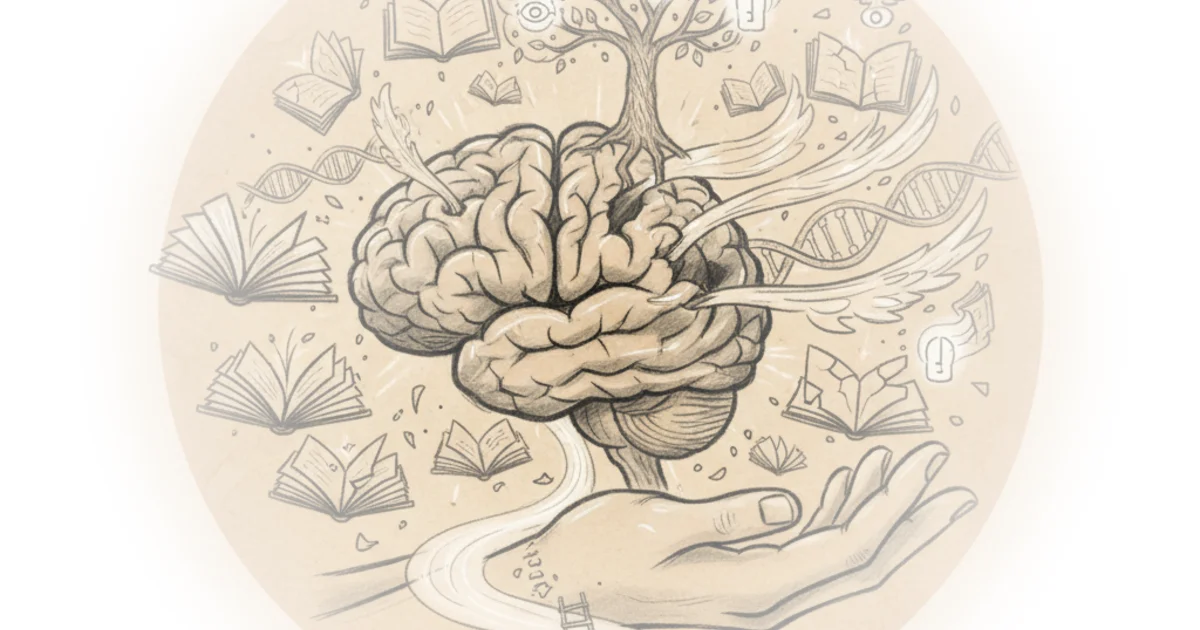
The narrative draws a sharp line between the author's own survival as a reader and the struggles of his children. While Neibauer managed to decode the world through sheer will and a singular moment of connection with Little House in the Big Woods, his son was left to navigate the same flawed system. He notes that despite having an Individualized Education Program (IEP), his son received "accommodations for working around dyslexia" rather than the phonics instruction he desperately needed. This distinction is crucial. Schools often treat dyslexia as a hurdle to be managed rather than a neurological difference to be addressed with specific, evidence-based intervention.
"It's hard to see reading as an magical experience if for six years, you have been taxing your brain to guess what a book is about and no one has helped you see the incredible power in deciphering words to unlock their magic."
The author's reliance on the work of Emily Hanford and the historical context of Jeanne Chall's 1967 research adds significant weight to the argument. Chall's Learning to Read: The Great Debate concluded decades ago that phonics was superior, yet the education establishment clung to "whole language" and "look-say" methods. Neibauer suggests this was not an oversight but a cultural preference for a romanticized view of reading that ignored the mechanics of how the brain learns. Critics might argue that phonics alone is dry and fails to foster a love of literature, but Neibauer counters that without the code, the love cannot exist for many children.
The Erosion of the Reading Life
Beyond the mechanics of decoding, Neibauer explores the deeper spiritual and cognitive loss of the current literacy crisis. He describes reading as a "magical rite of passage into literacy; membership into a hallowed club." When schools replace this initiation with standardized testing and basal readers, they strip the act of its power. The author cites Maryanne Wolf's concept of the "natural history" of reading, which moves from simple accuracy to "leap into transcendence." This trajectory is being broken for a generation of students.
The piece highlights a disturbing shift in the classroom environment. Neibauer observes that "instead of novel studies, read alouds, and book clubs, teachers hand students a laptop and reading textbook on the first day of school." This technological pivot, combined with the decline of family reading rituals, has created a "post-literate society." The author points out that technology has exacerbated the problem, with smartphones fragmenting attention spans and replacing "deep reading" with skimming headlines.
"Generations of students haven't been given the chance for a reading life, and as such, are unable to connect with books."
The statistics provided are damning: one-third of 12th graders lack basic reading skills, and over half of high school graduates are not proficient readers. Neibauer frames this not just as an educational failure, but as a societal one where the tools for critical thinking and empathy are being withheld. The argument is that without the ability to decode complex texts, students cannot access the diverse perspectives and nuanced themes that literature provides. As Neibauer puts it, "Reading literature helps us find meaning and understand the world."
The Path Forward
The author concludes with a sobering assessment of the current response. While some districts are panicking and returning to phonics in the primary grades, the damage in the upper grades is deep. Teachers are now tasked with teaching students how to read while simultaneously trying to teach them how to learn from reading. Neibauer admits, "I can no longer assume that my students read at proficiently, or even read independently at all." This admission from a veteran fifth-grade teacher underscores the scale of the crisis.
The piece suggests that the solution requires more than just curriculum changes; it demands a cultural shift in how we value literacy. It requires recognizing that reading is not a passive activity but an active, difficult, and rewarding engagement with the world. The author's personal journey from a child who struggled to a teacher who sees the consequences of that struggle provides a unique lens on the issue. He writes, "Books possess great power. Learning to read should be viewed as taking the initial steps toward a magical rite of passage into literacy."
"The greatest tragedy of our current literacy crisis. Generations of students haven't been given the chance for a reading life, and as such, are unable to connect with books."
Critics might argue that the focus on phonics ignores the importance of comprehension and critical thinking, but Neibauer's argument is that these skills are impossible to cultivate without the foundational ability to decode text. The piece serves as a call to action for parents, educators, and policymakers to prioritize evidence-based instruction over pedagogical fads.
Bottom Line
Neibauer's most compelling argument is that the current literacy crisis is a failure of equity, disproportionately affecting children with dyslexia and those from lower-income families who cannot afford private intervention. The piece's greatest vulnerability is its reliance on personal anecdote, though the integration of research from Chall, Hanford, and Wolf effectively grounds the narrative in data. Readers should watch for how school districts navigate the transition back to phonics and whether they can successfully integrate it with the deep reading experiences that foster true literacy.