Casey Newton exposes a chilling reality in the digital music ecosystem: leaving a platform doesn't mean you're gone. In a piece that reads like a digital detective story, Newton reveals how an artist's departure from Spotify can trigger a bizarre, automated replacement by low-fidelity impersonators, turning a protest into a case study for the erosion of artistic identity.
The Doppelgänger Effect
Newton begins with the case of King Gizzard and the Lizard Wizard, an Australian band that pulled their catalog in July to protest CEO Daniel Ek's investment in a military drone company. The band expected silence; instead, they found a ghost. "Spotify presented this as being the real thing: i.e. same artist name, same song name, same video artwork," notes fan Scott Harvey, describing how instrumental, Muzak-style covers of the band's tracks appeared in their place.
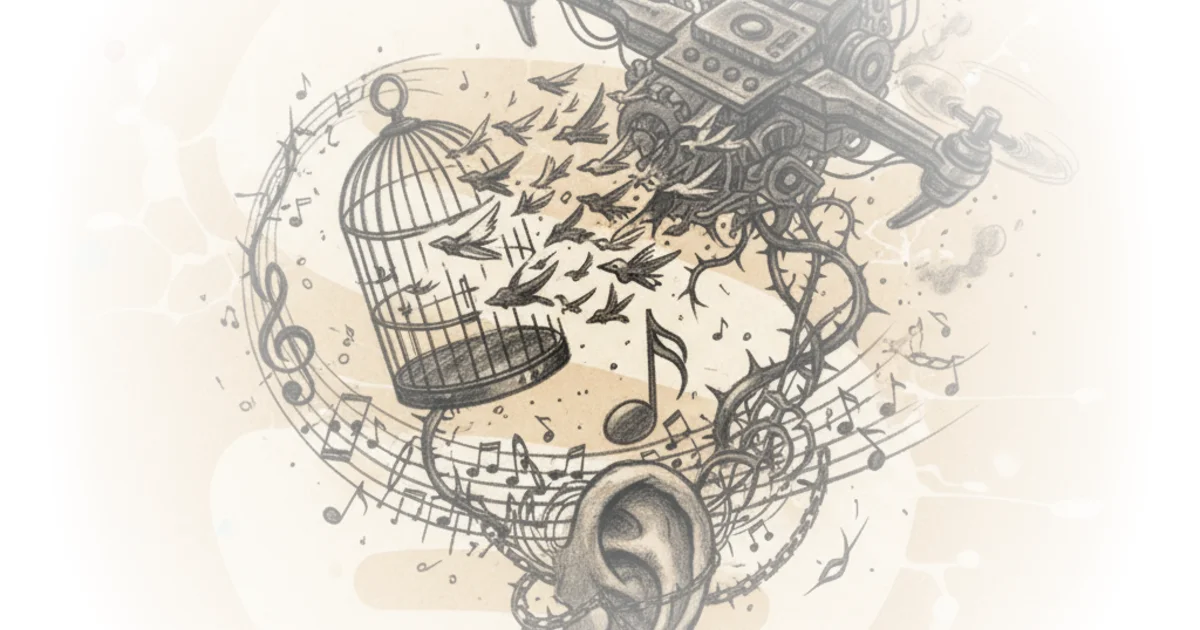
This isn't a glitch; it's a feature of a system optimized for background noise. Newton identifies the culprit as "Perfect Fit Content" (PFC), a term coined by critic Liz Pelly to describe stock music designed to fill playlists at a fraction of the cost of licensed hits. The author argues that the platform's failure to immediately flag these replacements reveals a dangerous gap in quality control. "Some face the possibility of losing out on crucial income by having their tracks passed over for playlist placement or replaced in favor of PFC," Newton writes, quoting Pelly's analysis of how this model devalues human creativity.
The implications are stark. When an artist leaves, the algorithm doesn't pause; it fills the void with cheap substitutes that mimic the original's metadata but lack its soul. "It puts forth an image of a future in which — as streaming services push music further into the background, and normalize anonymous, low-cost playlist filler — the relationship between listener and artist might be severed completely," Newton observes. This framing is particularly effective because it moves beyond the economics of royalties to the philosophical question of what happens to art when it becomes merely functional audio wallpaper.
It puts forth an image of a future in which — as streaming services push music further into the background, and normalize anonymous, low-cost playlist filler — the relationship between listener and artist might be severed completely.
Critics might argue that the primary responsibility lies with the uploader, not the platform, and that the sheer volume of content makes perfect curation impossible. However, Newton counters this by highlighting the scale of the deception: the fake tracks had accumulated over 10 million streams before being noticed. This suggests a systemic failure where the drive for content volume overrides the integrity of the catalog.
The AI Amplification
The problem is compounded by the rise of artificial intelligence. Newton draws a direct line between the King Gizzard incident and the broader flood of AI-generated spam. The author notes that Spotify removed 75 million spam tracks in the past year, yet the "doppelgänger" tracks slipped through. "The rise of AI slop this year is teaching everyone not to believe what they see with our eyes," Newton writes. "Before too long we may not trust what we hear with our ears, either."
This connection to the historical context of Muzak is crucial. Just as Muzak was designed to be inaudible background noise in the mid-20th century, today's PFC and AI covers aim for the same effect, but with a sinister twist: they actively impersonate real artists. Newton points out that a recent survey found 97 percent of people cannot distinguish between AI-generated music and the real thing. This statistic transforms the issue from a niche copyright dispute into a crisis of epistemology for listeners.
The administration of these platforms, in their rush to fill playlists and reduce costs, has created an environment where the line between a human artist and a synthetic clone is not just blurred, but actively exploited. As Newton puts it, "Even after an artist leaves a platform, they must still remain vigilant about their presence there. Otherwise, some unscrupulous artist might capitalize on their popularity by masquerading as them." This is a profound shift in the power dynamic; the artist no longer owns their digital presence once they upload it.
Bottom Line
Newton's most compelling argument is that the streaming model's efficiency is its greatest vulnerability, creating a system where impersonation is not just possible but profitable. The piece's greatest strength is its ability to link a specific, bizarre incident with King Gizzard to the broader, existential threat of AI-generated content. However, the article could have gone deeper into the legal mechanisms that allow these impersonators to operate with such impunity before being caught. As the technology improves, the trust in digital music will erode further, and listeners may soon find themselves unable to distinguish between a protest and a parody, or between an artist and a ghost.