In a landscape of education discourse often dominated by policy mandates and standardized metrics, Adrian Neibauer offers a radical, almost counter-intuitive thesis: the most effective tool for teacher retention and student learning is not rigor, but the deliberate pursuit of joy. This piece distinguishes itself by reframing the "crisis" in education not as a failure of curriculum, but as a failure of nervous system regulation, arguing that "glimmers" of connection are the biological antidote to the chronic stress threatening to collapse the profession.
The Circus of Connection
Neibauer begins not with a lesson plan, but with a personal origin story that challenges the conventional wisdom that teachers must be the smartest people in the room. They recount a childhood spent in their mother's daycare, where the primary currency was laughter, not grades. "I learned to change diapers before I learned to drive," Neibauer writes, establishing an early foundation of care over academic achievement. This narrative choice is effective because it strips away the pretension often associated with the profession, grounding the argument in the raw, messy reality of human interaction.
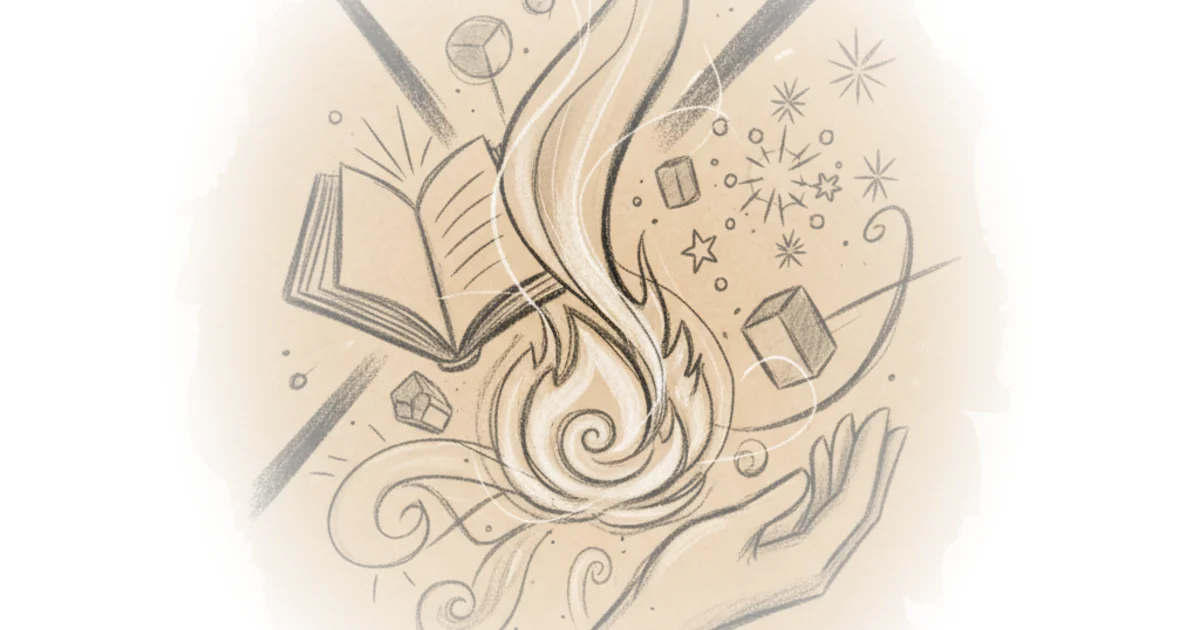
The author then pivots to a surprising historical detour: an audition at the Ringling Bros. and Barnum & Bailey Clown College. Founded in 1968 in Sarasota, Florida, this tuition-free program trained performers in acrobatics and character development before closing in 1997 due to declining attendance and animal handling controversies. Neibauer describes the audition process with vivid detail, noting how they stood before a box of props and realized, "Professional clowns let their inner child come out to play for everyone to see." This anecdote is not merely nostalgic; it serves as a functional metaphor for the classroom. The argument suggests that the skills required to be a great clown—vulnerability, improvisation, and the ability to invite an audience into a shared reality—are identical to those needed to engage a disaffected student.
"I didn't become a teacher because I felt that I had something of great value to offer students. I had no notion of passing along wisdom. I fell in love with the inherent joy of connecting with others while teaching them something."
Critics might argue that prioritizing "fun" over "rigor" risks trivializing the academic challenges students face, particularly in under-resourced schools. However, Neibauer anticipates this by clarifying that joy is the vehicle for learning, not the destination. The author posits that without the emotional safety provided by connection, the brain literally cannot process complex information.
The Neuroscience of Glimmers
The piece's intellectual anchor is the introduction of "glimmers," a term coined by Deb Dana, a clinician specializing in complex trauma. Neibauer explains that while "triggers" signal danger to the nervous system, glimmers are micro-moments that signal safety. "Glimmers are micro-moments in the day that spark a sense of joy, and help you feel grounded and connected, even during stressful times," Neibauer writes. This reframing is crucial for a profession currently drowning in burnout.
The author illustrates this with concrete examples from their own classroom: dancing to music from a fanny pack during a "Pack Walk," or helping a third-grader find a coat. In these moments, the teacher's nervous system shifts from defense to calm, and the students follow suit. Neibauer notes, "No one can learn under chronic stress. Although eustress (short-term positive and manageable stress) can increase one's motivation, focus, and performance, distress leads to anxiety, reduced ability to concentrate, and ultimately, underachievement." This is a powerful, evidence-based claim that moves the conversation from "teacher morale" as a vague concept to "teacher regulation" as a physiological necessity.
The argument gains further depth when Neibauer describes the "assembly line" of students bringing instant ramen cups to be filled. "My cringe was their joy, and I played that glimmer moment at full volume for the entire class to experience together." This admission of vulnerability—embracing the "cringe"—is a sophisticated pedagogical move. It mirrors the clowning philosophy where the performer's willingness to look foolish invites the audience to relax. By naming these moments, the author argues, teachers train their own brains to resist the fatigue that leads to attrition.
"I can't control how much pressure I feel, but I can steal a moment to make my students laugh. My relationship with teaching has been a wild ride, and I don't expect the heaviness of this school year to abate any time soon."
A counterargument worth considering is whether this approach places an undue emotional burden on teachers, asking them to be the sole source of emotional regulation in an underfunded system. Neibauer acknowledges the "unreasonable expectations and tighter administrative control" teachers face, yet maintains that finding glimmers is a survival mechanism, not a cure-all for systemic failure. The piece wisely avoids blaming the administration while still holding the line on the need for autonomy.
The Bottom Line
Neibauer's most compelling contribution is the synthesis of trauma-informed care with the ancient art of play, proving that "glimmers" are not just feel-good anecdotes but essential biological requirements for education. The argument's greatest strength lies in its refusal to separate the "human" from the "academic," asserting that the two are inextricably linked through the nervous system. However, the piece's vulnerability is its reliance on individual resilience; while finding joy is a powerful act of resistance, it cannot fully substitute for the structural support and reduced caseloads that would allow teachers to thrive without constant emotional labor.