In a legal landscape where high-profile influencers often weaponize litigation to silence critics, a new analysis cuts through the noise to expose the strategic fragility of a defamation suit filed by Logan Paul against investigative journalist Coffeezilla. This isn't just a celebrity feud; it is a critical case study on how the executive branch's refusal to pass federal anti-SLAPP legislation leaves digital critics vulnerable to expensive legal harassment, regardless of the truth. Devin Stone, the legal analyst behind the LegalEagle channel, dissects the filing not merely as a dispute over reputation, but as a calculated maneuver to bypass state-level protections designed to shield free speech.
The Venue Trap
Stone immediately identifies the most telling aspect of the lawsuit: the choice of venue. While the parties reside in Texas and Puerto Rico, the filing in federal court in the Western District of Texas is a deliberate legal trap. Stone explains that "filing in Texas Federal Court gives Logan Paul an advantage because coffeezilla won't be able to use the Texas anti-slap law." This is the crux of the issue. Texas has robust laws, specifically the Texas Citizens Participation Act, which allow defendants to quickly dismiss suits that infringe on free speech and recover their legal costs. However, Stone notes a critical judicial split: "the fifth circuit which rules Over Texas rulle that the state law doesn't apply in federal court."
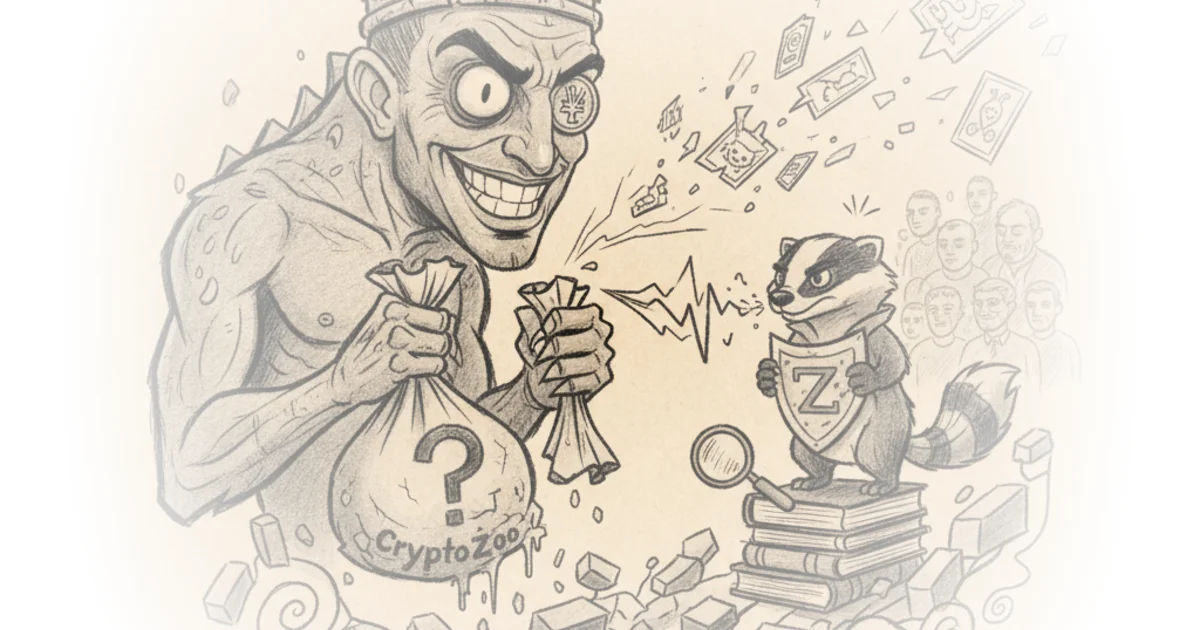
This procedural maneuver effectively strips the defendant of their most powerful shield. Without the ability to file an early motion to dismiss, Coffeezilla faces the prospect of draining his resources through discovery and prolonged litigation, even if he ultimately wins. Stone argues that this is the definition of a strategic lawsuit against public participation, or SLAPP suit: "a legal action intended to censor intimidate or silence critics by burdening them with the cost of legal defense." The analysis suggests that the administration's failure to enact a federal anti-SLAPP law is what allows this jurisdictional gaming to persist, leaving journalists exposed to financial ruin simply for doing their jobs.
"Without an applicable anti-slap law coffeezilla is defense is going to get extremely expensive even if he's successful."
The 'Defamation Per Se' Fallacy
Moving to the substance of the claim, Stone dismantles Paul's argument that calling the project a "scam" constitutes defamation per se. Under Texas law, defamation per se applies to statements so harmful they require no proof of actual damages, such as accusing someone of a crime or an infectious disease. Paul's legal team argues that labeling him a scammer injures his profession. Stone, however, points out the narrow interpretation of this legal standard in practice.
Stone writes, "this is interpreted narrowly so it doesn't prohibit legitimate complaints against a person for their professional conduct." He further notes that Paul's profession is arguably that of an influencer or boxer, not a financial advisor or developer with specialized knowledge of blockchain technology. "Clearly so really even if it mattered here the allegation defamation per se probably wouldn't apply anyway," Stone observes. The argument here is that the law is designed to protect public discourse about professional conduct, not to grant celebrities immunity from criticism when their business ventures fail spectacularly. Critics might argue that the line between professional criticism and personal attack is blurry, but Stone maintains that the legal framework is clear: general disparagement is not enough without a specific, peculiarly valuable professional quality being targeted.
The 'Actual Malice' Hurdle
The most significant barrier for Paul is the constitutional standard of "actual malice," a term of art that Stone clarifies is often misunderstood by the public. It does not mean the speaker was mean; it means the speaker knew the statement was false or acted with reckless disregard for the truth. Stone highlights that Paul's own history undermines this claim. After Coffeezilla's initial investigation, Paul publicly apologized and promised a three-step plan to make things right, including burning tokens and offering refunds.
Stone points out the contradiction in Paul's current stance: "Logan Paul says by 2023 coffeezilla knew that crypto zoo wasn't a scam... the post was a gross and intentional Distortion of Paul's prior statements." Yet, the evidence suggests the opposite. The development team had already left, alleging theft, and the game remained unplayable years after launch. Stone notes that Coffeezilla's characterization was an opinion based on disclosed facts: "when you put your name on something and you run the whole project the reputation is yours." The analysis suggests that Paul is attempting to rewrite history to claim victimhood, despite the fact that he was the face of the project and the one who collected the funds.
"You can't force your opinion onto someone else in fact coffeezilla could probably write another tweet saying that Logan Paul is the type of person to sue you for defamation when you exercise your first amendment rights."
The Reality of the 'Scam'
Stone's commentary ultimately rests on the factual record of the Crypto Zoo project. The promise was a playable game where users could breed digital animals and earn money. The reality, as Stone details, was a broken product where "players who purchased the eggs couldn't breed them let alone cash out the coins for real money." When the development team fled, alleging they were not paid and that tokens were stolen, Paul blamed a developer who had allegedly fled to Switzerland. However, Stone notes that Coffeezilla tracked down this developer, who disputed Paul's claims, and found that Paul's other partner was a known liar.
The legal argument collapses when faced with these facts. Stone writes, "there's little Evans to support the claim that coffee zilla's characterizations were false in the first place." The core of the dispute is not about whether the project failed—it clearly did—but whether Paul's involvement was malicious. Stone argues that Paul's own actions, such as blocking the journalist after promising to fix the issue, support the narrative of a cover-up rather than a misunderstanding. The lawsuit, therefore, appears less about protecting a reputation and more about punishing the messenger who refused to let the story die.
Bottom Line
Devin Stone's analysis delivers a damning verdict: the lawsuit is a procedural gambit designed to exhaust the defendant's resources rather than a legitimate defense of reputation. The strongest part of the argument is the exposure of how federal court jurisdiction is being used to circumvent state-level free speech protections. The biggest vulnerability in Paul's case is the overwhelming public record of the project's failure and his own prior admissions of fault. As this case moves forward, it will serve as a stark reminder of why federal anti-SLAPP legislation is urgently needed to protect the public's right to question powerful figures.