In a landscape often dominated by abstract metaphysics, Mona Mona's October 3, 2025 roundup delivers a striking pivot: the most urgent philosophical questions today are not about the nature of being, but about the crushing weight of the economic machinery that dictates our daily survival. This collection refuses to treat philosophy as an ivory tower exercise, instead framing it as a necessary tool for diagnosing the specific pathologies of late-stage capitalism, from the shame of job applications to the environmental cost of artificial intelligence.
The Economics of Shame and Surveillance
Mona Mona curates a selection of essays that expose the hidden emotional toll of modern labor structures. The roundup highlights a forthcoming piece by Steve Clarke, William Tuckwell, and Morgan Luck regarding "Professionals and the Ethics of Workplace Surveillance," signaling a shift toward examining how digital monitoring erodes human dignity. Mona Mona writes, "Applying for jobs is so fucking embarrassing: The rituals, the portals, the silence, the begging, the shame." This raw admission from the piece "Applying for jobs is so fucking embarrassing" cuts through the polite veneer of career advice to reveal the systemic humiliation embedded in the hiring process.
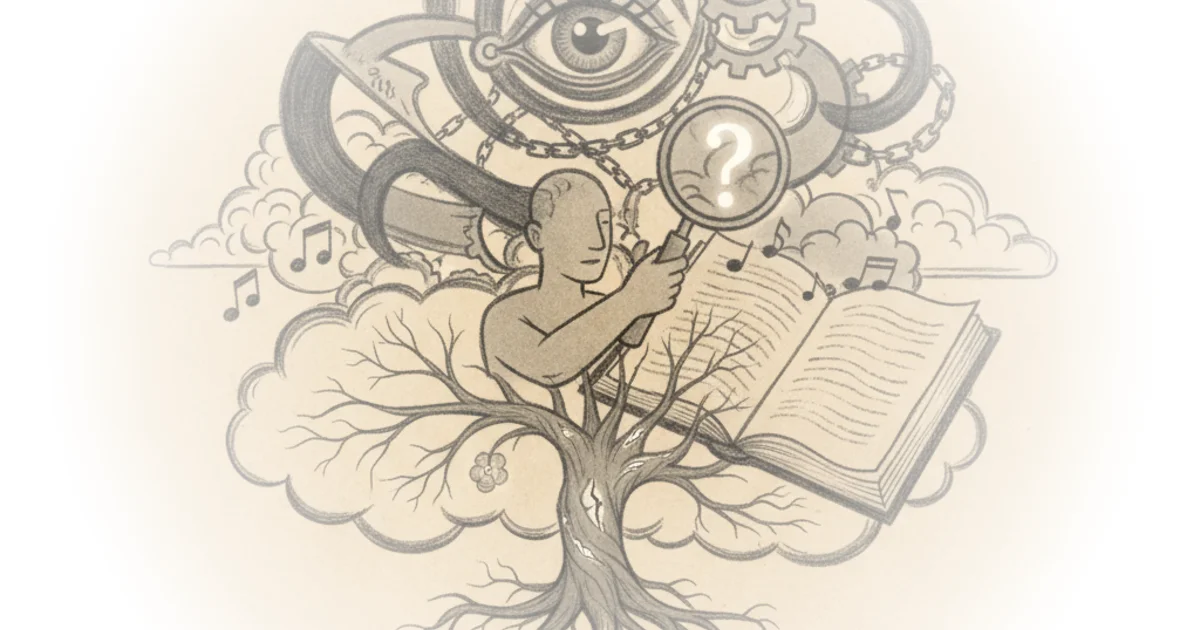
The commentary suggests that this shame is not a personal failing but a structural feature of a system that demands constant performance without security. Mona Mona notes that the nuclear family acts as "capitalism's thorny little engine room," a framing that connects private domestic stress to public economic policy. This argument is compelling because it refuses to let individuals bear the full psychological burden of systemic failures. Critics might argue that focusing on the emotional experience of job seekers distracts from the need for hard-line regulatory changes, yet the piece implies that understanding the human cost is a prerequisite for effective policy.
The nuclear family is not just a social unit; it is capitalism's thorny little engine room, grinding down those who try to care for one another.
The Digital Dilemma: AI and Environmental Reality
The roundup takes a hard look at the technological optimism that often clouds public discourse, specifically regarding the environmental footprint of artificial intelligence. Mona Mona highlights a piece titled "Don't sacrifice the real world for AI," which challenges the narrative that digital progress is cost-free. The author points to the physical reality of "Data centers, billionaires, and the economic model we live in," forcing readers to confront the material resources required to sustain virtual existence.
Mona Mona writes, "I bought an AI Friend: The box sat on my shelf for a full week." This observation from the piece "I bought an AI Friend" serves as a potent metaphor for the hollow promise of technological companionship. It underscores a growing alienation where humans seek connection in algorithms rather than communities. The curation effectively links the rise of AI friendship to the broader crisis of loneliness, suggesting that the technology is a symptom of a deeper social fracture rather than a cure. A counterargument worth considering is that AI tools can provide essential support for those isolated by disability or geography, yet the roundup insists we must not lose sight of the ecological debt incurred by these innovations.
Reclaiming Meaning in a Fractured World
Beyond the economic and technological critiques, the collection explores how individuals navigate the search for meaning in a world that often feels devoid of it. Mona Mona includes a piece asking, "Why do some people crave meaning and others don't care?" and another titled "Let's talk about death, baby," which reflects on "What a year of contemplating mortality has taught us." These selections suggest that the anxiety of the modern age is rooted in a disconnection from the finite nature of human life.
The roundup also touches on the political dimensions of language and identity, citing a discussion on whether we should "ditch gendered vocabulary to undermine patriarchy." Mona Mona writes, "The Inhumanity of Humanism: The Cruel Politics of Compassion," challenging the idea that traditional humanist values are inherently benevolent. This framing is provocative, suggesting that even our most cherished moral frameworks can be weaponized to maintain the status quo. The inclusion of a piece on "Leave the Military Now" further grounds the philosophical inquiry in the urgent ethical demands of the present, asking "What does courage demand?" in the face of institutional violence.
We are not just surviving an economic crisis; we are navigating a crisis of meaning where the very tools we use to connect are deepening our isolation.
Bottom Line
Mona Mona's strongest contribution is the refusal to separate high theory from the gritty reality of daily life, successfully arguing that philosophy is the only adequate lens for understanding the intersection of capitalism, technology, and human suffering. The roundup's greatest vulnerability lies in its breadth; by covering such a vast array of topics, it risks diluting the specific policy solutions needed to address the crises it so vividly describes. Readers should watch for how these philosophical critiques translate into concrete political movements in the coming months.