In a landscape saturated with culture-war polemics, Musa al-Gharbi offers a disorienting twist: a book that refuses to let either side win the moral argument. While critics expected a weaponized takedown of progressive elites, We Have Never Been Woke delivers a symmetrical, dispassionate autopsy of the entire "symbolic capitalist" class, revealing that the drive for status often masquerades as moral righteousness on both the left and the right.
The Symmetry of Status
The most striking aspect of al-Gharbi's analysis is its refusal to play favorites. He argues that the current political moment is not a battle between good and evil, but a struggle for professional dominance among the highly educated. "The perennial joy and terror of putting ideas in the world is that, after a point, they cease to be 'yours,'" al-Gharbi writes, noting that he had to resign himself to letting the book's reception sort itself out without his intervention. This detachment is the book's superpower; by stepping back from the fray, he exposes the mechanics of the fray itself.
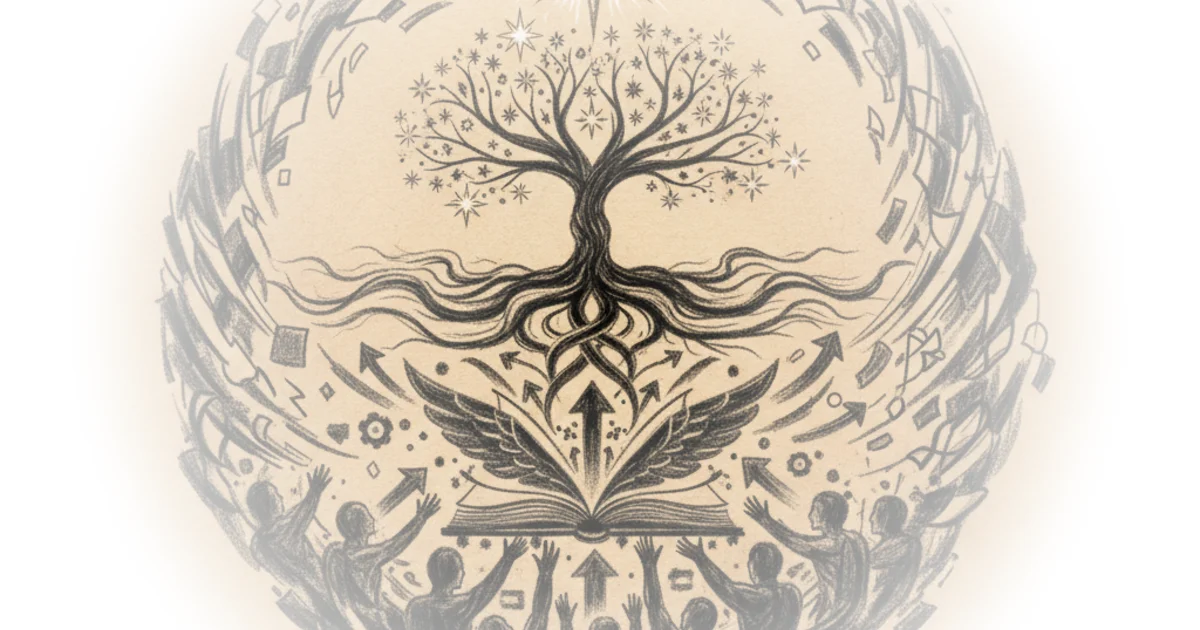
Al-Gharbi posits that the "woke" phenomenon is less about genuine social justice and more about a specific economic class leveraging moral signaling to secure their position. He notes that the book has been "prophetically published less than a month before Trump's second victory," yet its insights remain relevant because they target the underlying incentives of the elite, not just the current political administration. The core of the argument is that whether one is a progressive activist or a conservative pundit, the mechanism is identical: using ideology to hoard "symbolic capital" while deflecting scrutiny of one's own privilege.
"We Have Never Been Woke is discomforting reading for folks on the left... The conclusion willfully denies readers any type of closure or catharsis."
This refusal to offer a happy ending is intentional. Al-Gharbi suggests that the desire for a clear villain is a trap that prevents genuine understanding. Critics might note that by treating all ideological posturing as a form of status-seeking, the analysis risks flattening genuine moral convictions into mere careerism. However, al-Gharbi insists this is necessary to understand why social problems persist despite endless moralizing.
The Paradox of Charity
Perhaps the most counterintuitive finding in the book's reception is who found it most offensive. One would expect the progressive left to bristle at a critique of their movement, yet al-Gharbi found that "right-of-center readers who seemed to be most troubled by the book's overall tone." Why? Because they wanted a ruthless indictment of the left, not a sociological explanation that treated the left's motivations with the same analytical neutrality as the right's.
Al-Gharbi writes, "I don't think hypocrisy is particularly interesting as an analytic matter... Hypocrisy narratives primarily end up justifying things that should not be justified, and obscuring things that should not be overlooked on one's own side." By refusing to moralize or point fingers at hypocrisy, he denies the right the satisfaction of "owning the libs." Instead, he offers a "rigorous, wide-ranging, self-image smashing analysis" that implicates the entire professional class. As he puts it, the book is "neither an adherent of wokeism nor an anti-woke scold."
This approach has drawn sharp criticism from those seeking a culture-war victory. A reviewer for the National Review asked, "Can the emotions unleashed by the Great Awokening, however hypocritical, be reduced primarily to an expression of class interests?" Meanwhile, the Wall Street Journal argued that al-Gharbi's "effort to move proudly analytic symbolic capitalists to analyze themselves is important," yet felt his refusal to condemn them was a moral failing. The tension here is palpable: readers want a sermon, but they are getting a diagnosis.
"Al-Gharbi is neither an adherent of wokeism nor an anti-woke scold. He would like to both stem the progressive excesses… and see substantive social justice be achieved for everyone."
The author's stance is that hypocrisy is a universal human trait that reveals little about specific political outcomes. "When you point out that people are being hypocrites, the most common response is not deep reflection or a substantive change of behaviors," al-Gharbi observes. Instead, it leads to a cycle of mutual exoneration. By sidestepping this trap, he forces the reader to look at the structural incentives that drive behavior, regardless of how sincere the actors claim to be.
Bottom Line
Al-Gharbi's strongest move is his refusal to provide a moral verdict, forcing readers to confront the uncomfortable reality that status-seeking drives political behavior more than ideology does. His biggest vulnerability is the frustration this causes for readers on all sides who crave a clear narrative of good versus evil, potentially limiting the book's ability to mobilize action. The reader should watch for how this symmetrical analysis holds up as the political climate continues to fracture; if the book's thesis is correct, the coming years will only deepen the cycle of performative outrage without addressing the underlying class dynamics.