Michael Macleod delivers a masterclass in holding power to account, exposing how opaque corporate structures and aggressive lease tactics are threatening one of London's most beloved cultural institutions. While the headline warns of a cinema closure, the real story is a chilling case study in how modern property development can bypass community safeguards through legal maneuvering and financial opacity. This isn't just about a movie theater; it's about who gets to shape the soul of a city when the rules are written by shell companies in tax havens.
The Asymmetry of Power
Macleod zeroes in on the stark imbalance between the Prince Charles Cinema and its landlord, Criterion Capital. The author notes that the dispute has dragged on for over 18 months with "little sign of progress," a delay that feels intentional. Ben Freedman, the cinema's owner, describes the legal strategy employed by the landlord with frustration: "It feels to us that every way possible there is to slow it down and make it more expensive is chosen." This quote encapsulates the exhaustion of community defenders fighting against well-funded entities that view litigation as a tool of attrition rather than justice.
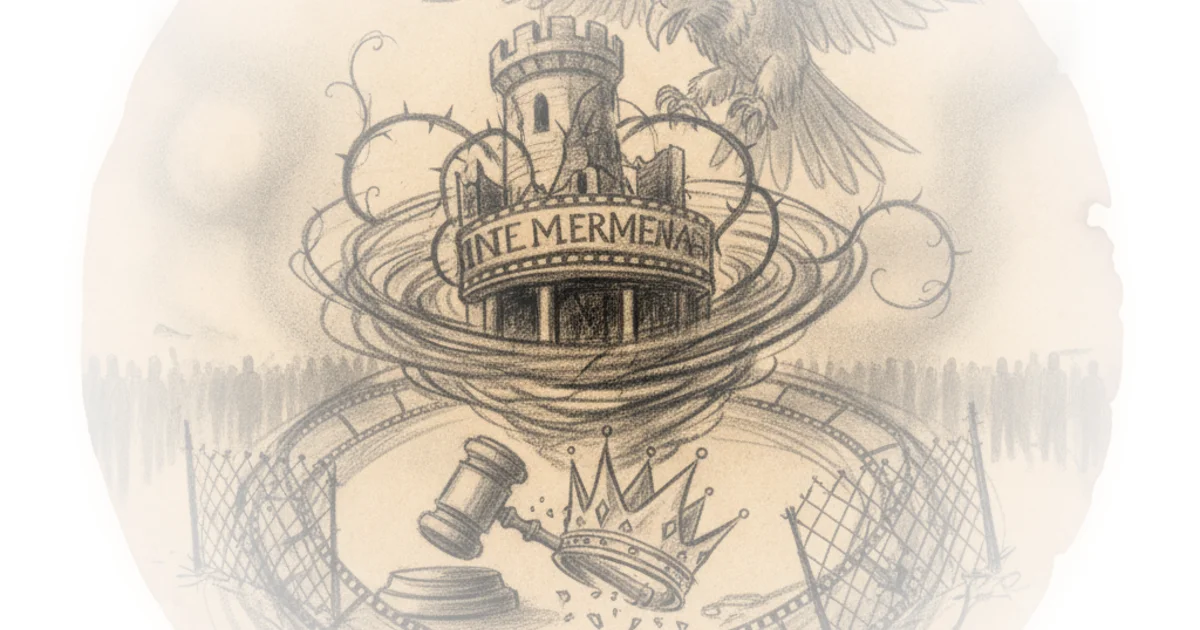
The article reveals a disturbing detail about the landlord's structure: Criterion Capital's ultimate shareholders are hidden behind a "complex web of companies based in the offshore tax haven of the Isle of Man." Macleod points out that the individuals officially running this $9 billion empire are a 27-year-old and a 23-year-old recent graduate, the latter of whom deleted his LinkedIn profile after being contacted. This framing is crucial. It shifts the narrative from a simple business dispute to a systemic issue of accountability. When the people in charge are barely out of university and the ownership is obscured, the public has no one to hold responsible for the potential loss of a cultural landmark.
The cinema has been designated an "Asset of Community Value," a legal status intended to give communities a chance to bid to save local assets. Yet, as Macleod illustrates, this designation offers little protection against a landlord demanding "a rent far above market rates" and a clause allowing eviction with just six months' notice if redevelopment plans are approved. This effectively renders the community designation symbolic rather than substantive. The cinema's owner argues that such a lease would make the business "impossible to run and would leave it under permanent threat of closure."
"On this particular matter we don't have a relationship with Criterion. Our lawyers have a relationship with their lawyers. We haven't spoken to Criterion since January of last year."
This quote from Freedman highlights the dehumanizing nature of the conflict. The relationship has been reduced to a cold exchange between legal teams, stripping away any possibility of negotiation or mutual understanding. The offices above the cinema are already being converted into a "windowless Zedwell hotel," a development that has already forced temporary closures due to construction noise. The transformation of the space is already underway, suggesting the landlord's intent is clear regardless of the legal outcome.
The Broader Erosion of Public Space
Macleod doesn't stop at the cinema; he weaves in a tapestry of smaller, yet equally telling, stories about the friction between Londoners and the systems governing their daily lives. The piece touches on the "Renters' Rights Act," noting how landlords are circumventing bans on bidding wars by inflating advertised rents and encouraging tenants to bid lower. This is a classic regulatory arbitrage, where the spirit of the law is undermined by the letter of the law.
The article also highlights the absurdity of modern consumer friction, from criminals leaving Forest e-bikes on car engines as a bizarre calling card to restaurants charging "checkout fees" for using payment apps. Daniel, a diner at Gloria, recounts being told cash and Amex were not accepted, forcing him to use a Mastercard to avoid a surcharge. The restaurant group defends this by comparing the fee to paying for bottled water instead of tap water, a justification that Macleod presents with a skeptical eye. "The waiters disappeared," Daniel says, suggesting a coordinated push to force digital adoption. This micro-aggression in the dining room mirrors the macro-aggression in the cinema lease: a feeling that the system is designed to extract value and inconvenience the user.
Critics might argue that the focus on these smaller grievances dilutes the urgency of the cinema story. However, Macleod's approach suggests that these are not isolated incidents but symptoms of a broader trend where convenience is monetized, and community assets are treated as disposable. The legalization of "plug-in solar" is presented as a rare win, yet even that is undercut by the timing of its arrival just before the "grey rainy season." It's a reminder that policy often lags behind reality, offering solutions that are technically available but practically useless.
The Illusion of Compliance
The piece concludes with a sharp look at the advertising watchdog investigating a weight-loss drug campaign on TfL buses. The ad, captioned "The Weight Is Over," features a pill that looks suspiciously like the prescription-only Wegovy, despite the ad being for an over-the-counter supplement. A TfL spokesperson admits the disclaimer was "barely legible" and has now been made larger. This is a textbook example of regulatory capture and creative compliance. The pharmacy claims to have "engaged constructively" and made changes, yet the initial campaign clearly pushed the boundaries of what is legal.
Macleod's reporting exposes a pattern: entities pushing against the limits of the law, relying on the slowness of regulation and the confusion of the public to get away with it. Whether it's a landlord trying to evict a cinema, a restaurant charging hidden fees, or a pharmacy blurring the lines between prescription and over-the-counter drugs, the theme is consistent. The system is being gamed, and the ordinary person is left to navigate the fallout.
Bottom Line
Michael Macleod's coverage is a vital intervention, stripping away the corporate jargon to reveal the human cost of aggressive property development and regulatory loopholes. The strongest part of the argument is the exposure of the landlord's opaque structure, which renders traditional community protections like the "Asset of Community Value" designation nearly meaningless. The biggest vulnerability, however, is the lack of a clear path forward; the article brilliantly diagnoses the problem but leaves the solution hanging in the balance of a court hearing. Readers should watch for the outcome of the September pre-trial hearing, not just for the cinema's sake, but as a bellwether for how London balances profit against community preservation.