In a conversation that transcends the typical celebrity interview, Rick Rubin reframes the monumental task of architectural restoration not as a battle against time, but as a complex symphony of human coordination. While the discussion centers on Kelly Wearstler's ambitious reimagining of a historic Lake Tahoe property, the real story here is the intricate dance of logistics, history, and sensory design required to revive a dormant landmark. Rubin's coverage is notable because it strips away the glamour of the final product to reveal the gritty, collaborative machinery underneath, offering a rare glimpse into how 500 consultants can be marshaled into a single, unified vision.
The Architecture of Collaboration
Rubin immediately grounds the conversation in the practical realities of large-scale construction, where the primary adversary is not a lack of talent, but the friction of time and money. He notes that Wearstler describes the challenge as a matter of "getting a handle on that and everyone has to work in unison together and collaborate have incredible communication." This observation is crucial; it shifts the narrative from the solitary genius of the designer to the collective intelligence of the team. The author highlights a project so massive it involves "500 consultants and different team members that work below them," a scale that demands rigid structure alongside creative freedom.
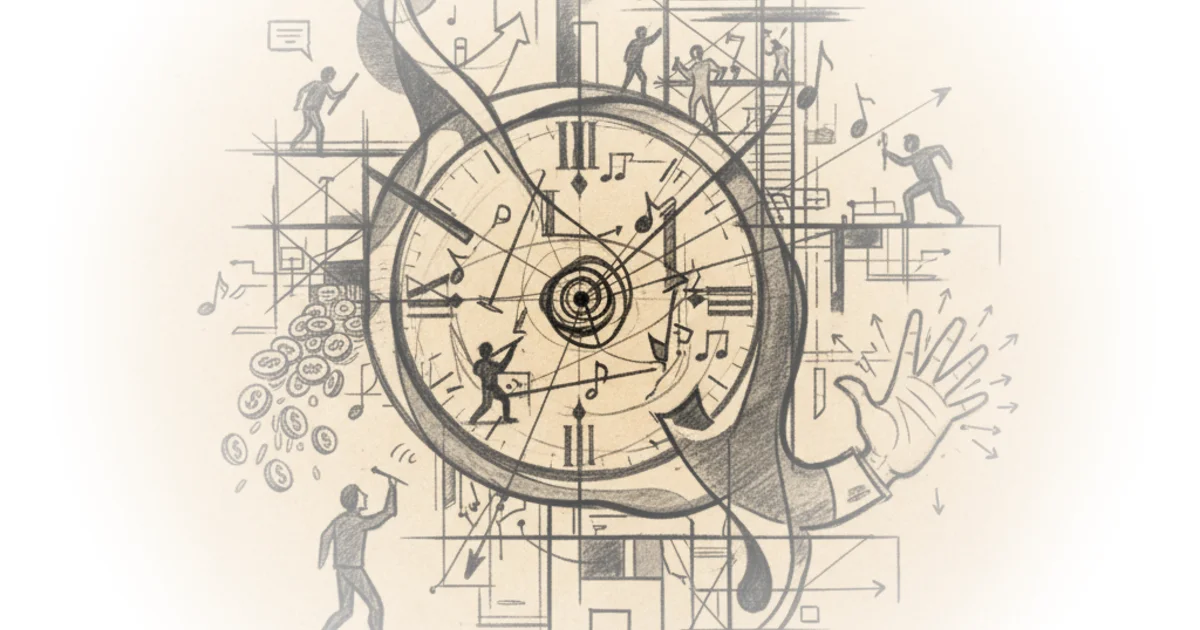
The piece excels when it details how this collaboration functions in practice. Wearstler explains that the design direction emerges from deep dialogue with specialists, from chefs to wellness doctors, ensuring the space feels "sight specific." This approach rejects the idea of a top-down stylistic mandate. Instead, as Rubin paraphrases, the vision is a mosaic of expert inputs, where the "ultimate collaboration" dictates the outcome. This is a refreshing counter-narrative to the common trope of the autocratic architect imposing a singular will on a project. Critics might note that such a decentralized approach risks a lack of cohesive identity, but Wearstler's insistence on a "red thread"—in this case, music—provides the necessary through-line to bind the disparate elements.
"The red thread is really the music."
Resurrecting the Cal Neva
The heart of the article lies in the historical resurrection of the Cal Neva Lodge, a property steeped in the lore of the Rat Pack era. Rubin weaves in the specific history that makes this project unique: originally built in 1926 as a casino on the California-Nevada border, it later became the domain of Frank Sinatra in 1960. The author points out that Sinatra built a 400-person theater and installed a network of tunnels, allowing stars like Marilyn Monroe and the Kennedys to move unseen across the property. This historical context is not merely decorative; it is the foundational material for the renovation.
Wearstler's strategy is to preserve the "historic fabric," which she estimates at only 30% of the original structure, by "peeling back the drywall" to reveal the original bones. The goal is to create a tension between the old and the new, where contemporary interventions like "raw sand blasted glass" or treated metal contrast with rich, tactile woods. As she puts it, "if something's contemporary, I want it to have like really like rich woods that are tactile and have a lot of spirit and they feel vintage." This philosophy of "tension" rather than pastiche is the article's most compelling design argument. It suggests that true preservation is not about freezing a building in time, but about allowing its history to converse with the present.
The inclusion of a casino in the new design, described as "chic" and reminiscent of Monaco, further underscores the commitment to the site's original spirit. Wearstler admits to the learning curve, noting that working with "casino gambling consultants" to understand the security and processes is "fascinating." This willingness to engage with the operational realities of the business, rather than just the aesthetic, demonstrates a maturity in the design process that is often overlooked in high-profile hospitality projects.
The Curator's Edge
Beyond the architecture, Rubin explores Wearstler's parallel venture as a curator, a "side hustle" that has evolved into a gallery and digital platform called "Hustle Culture." This section reveals the designer's broader philosophy: a belief in the power of commissioning artists to create proprietary works that cannot be found elsewhere. Wearstler describes the thrill of visiting an artist's studio and finding a discarded material that becomes the centerpiece of a project, stating, "I love finding things that are interesting... I want to buy them. I want to take them home."
The author highlights the gallery's mission to celebrate the "old and new, the raw and the refined." By working with artists from Brazil to Berlin, Wearstler creates a global network of creativity that feeds back into her architectural projects. The gallery is not a cold, intimidating space but a "warm and inviting" environment where functional art and sculpture coexist. This approach challenges the traditional gallery model, prioritizing accessibility and inspiration over exclusivity.
Wearstler's collection habits further illustrate her design ethos. She speaks of digging through "stinky thrift stores" to find vintage books, vinyl, and clothing, valuing the "patina" that comes with age. "Even if it's slight, just like on the leg or you know, you can tell like it's had like another life," she says. This reverence for history and the stories embedded in objects is the emotional core of her work. It is a reminder that design is not just about creating new things, but about curating and honoring the past.
"It's the patina. Even if it's slight, just like on the leg or you know, you can tell like it's had like another life. It's had a story."
Bottom Line
Rubin's commentary succeeds by treating Kelly Wearstler not just as a decorator, but as a complex project manager and cultural curator who understands that the most ambitious designs require a deep respect for history and a willingness to collaborate on a massive scale. The piece's greatest strength is its focus on the "tension" between preservation and innovation, a theme that resonates far beyond the specific context of the Cal Neva Lodge. The only vulnerability is the sheer scope of the project, which leaves the reader wondering if the logistical complexity can truly be sustained without compromising the artistic vision. For the busy reader, this is a masterclass in how to balance the weight of history with the demands of the future.