Michael Macleod cuts through the celebratory noise surrounding the recent London Underground pay deal to reveal a fragile peace built on unresolved fatigue and competing union agendas. While headlines declare a three-year strike moratorium, the author exposes a deep fracture between the RMT and Aslef unions that could reignite disruption before the ink is even dry on the agreement.
The Illusion of Stability
Macleod begins by dismantling the narrative that the recent settlement guarantees calm. He writes, "A lot of coverage of tube strikes is overly simplistic and partisan," urging readers to look past the binary of "strike vs. no strike." The core of his argument is that the deal only resolves pay, leaving the fundamental issue of driver fatigue untouched. As he notes, the RMT's central demand for a 32-hour four-day working week was "rejected by TfL bosses," with union leader John Leach bluntly stating, "We'll be back for that."
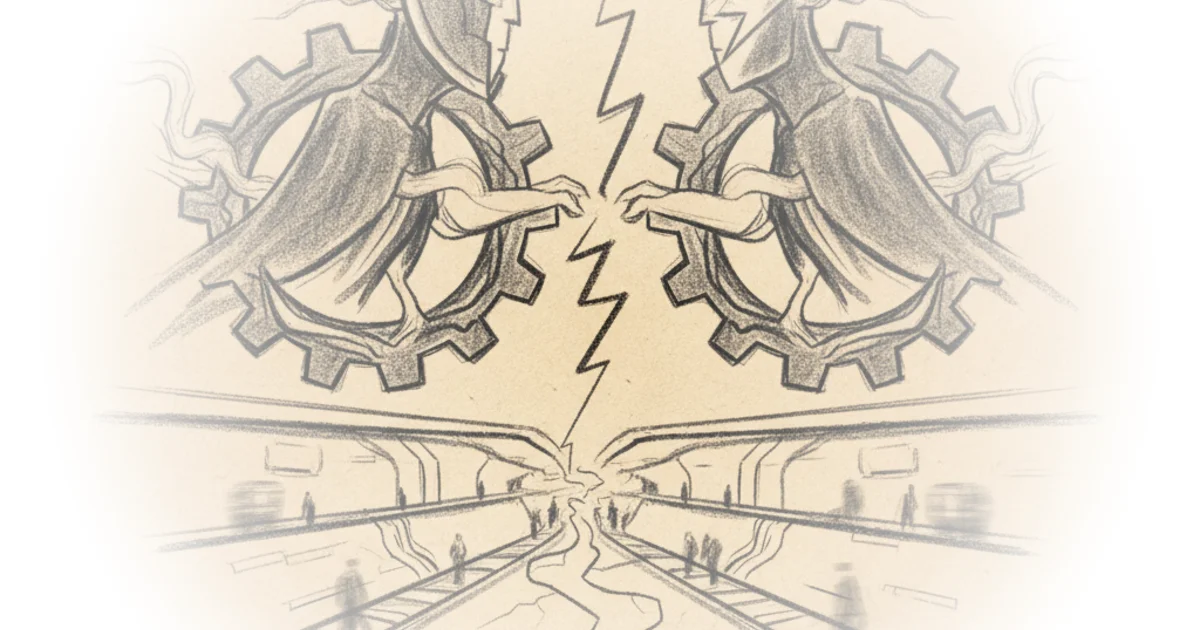
This framing is crucial because it shifts the focus from a temporary truce to a structural impasse. The author highlights that while the RMT accepted a deal guaranteeing a minimum 3% pay rise from 2026, they explicitly warned that reports of a "no strike" arrangement are "quite the opposite." This distinction matters: the union has merely paused one battle to regroup for another, specifically targeting the working hours that they argue endanger safety.
"What it means is that we've settled the issue of the annual pay rise for three years, but that's all we've settled. In actual fact, you could argue that now allows us to focus on other things more diligently."
Critics might argue that accepting a pay deal is a pragmatic victory that secures immediate income for workers, making the continued focus on hours a secondary concern. However, Macleod's reporting suggests that for the RMT, the hours issue is existential; without a reduction in total weekly hours, the fatigue remains a critical safety hazard that no amount of extra pay can mitigate.
The Union Schism
The piece's most distinctive contribution is its deep dive into the internal politics of the driver workforce. Macleod explains that the London Underground is not a monolith; it is split between the RMT, which represents the majority of general staff, and Aslef, which specifically represents drivers. This creates a unique dynamic where drivers can choose their representation, leading to a competition between unions.
Macleod illustrates this tension by contrasting the unions' reactions to TfL's proposal for a 35-hour four-day week. Aslef embraced the plan, with organizer Finn Brennan calling it a "once in a generation opportunity." Conversely, the RMT rejected it, arguing it merely crammed five days of work into four. Leach's rebuttal is stark: "It would mean that you're driving the train for longer on your shift... That is not acceptable to us because it's a very tough job."
This divergence is not just semantic; it creates a logistical nightmare for Transport for London. The author points out that TfL is now implementing the Aslef-backed schedule on a voluntary basis, risking a depot where drivers operate under two different sets of conditions. This mirrors historical complexities in the network's labor relations, echoing the fierce battles of the 1980s when the fragmented union landscape often paralyzed the system. Macleod warns that this voluntary approach could backfire, noting, "If that happens, then commuters might face further strike action and find themselves back on their Lime bikes."
"The offer was rejected by RMT and when drivers are taken as a whole across both unions in their respective referendums, more drivers have expressed a rejection of the offer than have accepted it."
A counterargument worth considering is that a voluntary four-day week offers flexibility that a rigid mandate would not, potentially satisfying a subset of drivers without forcing a system-wide overhaul. Yet, Macleod's evidence suggests that the RMT fears this flexibility is a Trojan horse, where overtime rules are relaxed to create a de facto mandatory change that exacerbates fatigue.
The Bottom Line
Macleod's strongest move is reframing the "victory" of the pay deal as merely a pause in a longer war over working conditions, exposing the fragility of the current truce. The piece's greatest vulnerability lies in its reliance on union rhetoric regarding the inevitability of future strikes, which may not materialize if the voluntary four-day model proves successful for a majority of drivers. Readers should watch closely whether the voluntary scheduling leads to scheduling chaos or a genuine compromise, as that will determine if the next headline is about a deal or a shutdown.