In an era where digital consumption often masquerades as genuine connection, Tom van der Linden makes a startling claim: the most transformative moments in cinema are not the visual spectacles we remember, but the spoken words that strip away our pretenses. This piece cuts through the noise of algorithmic content to argue that true wisdom comes not from consuming information, but from the difficult, messy act of living. For the busy professional who feels perpetually informed yet strangely empty, van der Linden offers a compelling diagnosis of our modern malaise and a cinematic prescription for a life well-lived.
The Illusion of Vicarious Living
Van der Linden anchors his argument in the enduring power of Robin Williams' character in Good Will Hunting, specifically the scene where he dismantles the protagonist's intellectual arrogance. The author writes, "you would know about sleep and sitting up in a hospital room for 2 months holding her hand because the doctors could see in your eyes that the terms visiting hours don't apply to you." This quote serves as the emotional core of the piece, illustrating the gap between knowing facts and possessing wisdom. Van der Linden suggests that while we can read about Michelangelo or the Sistine Chapel, we cannot understand the weight of human experience through a screen.
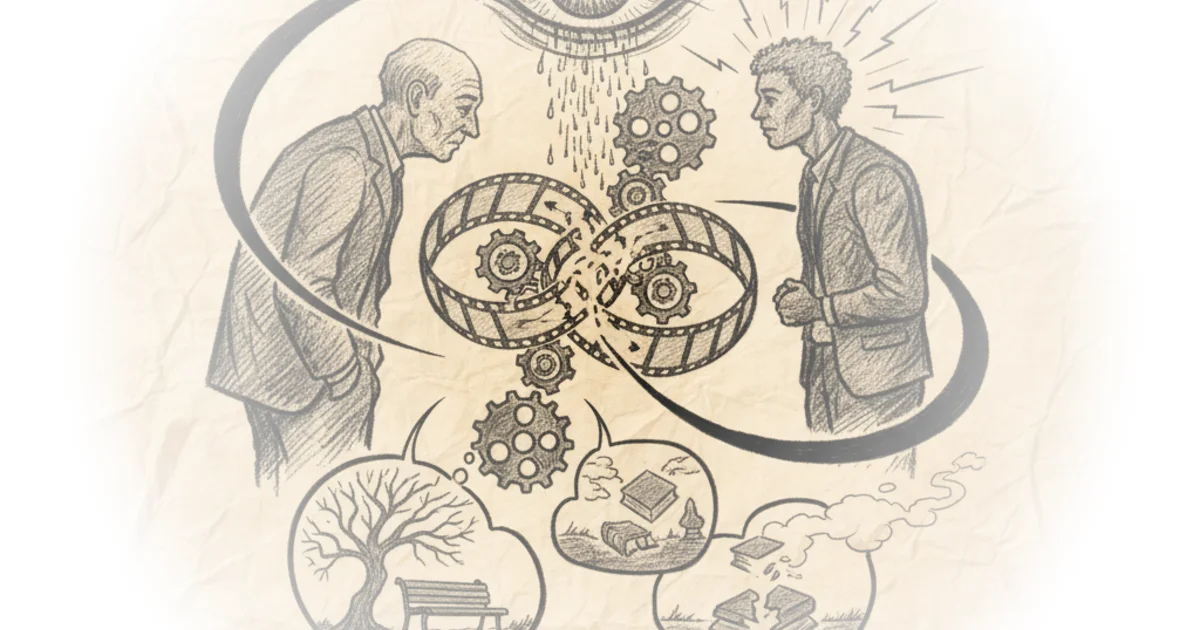
The commentary is particularly sharp when addressing the specific isolation of the digital age. Van der Linden observes, "having everything within reach yet still experiencing a all indirectly a life lived vicariously through intermediaries." He argues that the internet has created a paradox where we are more connected than ever, yet less present in our own lives. This framing resonates deeply because it validates the reader's unspoken feeling that their curated digital existence is a poor substitute for the raw, unedited reality of human interaction. The author notes that while vicarious experience has value, "it can never fully replace the directly experienced one."
It is not about collecting random bits of experiential trivia about places and things that you can't read about online or in books; it's about deepening your own inner being.
Critics might argue that van der Linden romanticizes suffering or ignores the genuine accessibility and community found in digital spaces. However, his point is not that technology is evil, but that it is a poor proxy for the visceral reality of love, loss, and grief. The distinction is crucial: we can watch a movie about heartbreak, but we cannot learn how to grieve from it.
The Power of Language in a Visual Medium
Shifting focus, van der Linden challenges the prevailing wisdom that cinema is purely a visual medium. He cites director Terrence Malick and others who claim movies are about "picture sound a lot of emotions," yet he contends that language remains a vital ingredient. He writes, "it's also one of language and more specifically of the Performing of language." This is a nuanced take that elevates the monologue from a mere plot device to a vehicle for character transformation.
The author uses the film Pig to illustrate this, highlighting a scene where Nicholas Cage's character confronts a chef living a lie. Van der Linden describes the delivery as "direct and unrelenting yet also strangely heartfelt and empathetic." He argues that the power lies not just in the words, but in the intent behind them: "he genuinely wants to make make him see make us see what he is saying." This analysis suggests that truth, when spoken with conviction and empathy, can pierce through the defenses we build around ourselves.
Similarly, van der Linden examines the father-son dynamic in Call Me by Your Name, where pain is reframed not as a defect but as a profound quality to be cherished. He notes the father's advice: "don't kill it... the joy you felt I led you to the Wonder." This moment underscores the article's broader theme: that our most painful experiences are often the very things that define our humanity. Van der Linden argues that these monologues matter because they offer a "path forward" that mere visual storytelling cannot.
The Spiritual War of Modernity
The piece takes a darker turn when addressing the existential drift of modern society, comparing the nihilism of Fight Club to the more constructive philosophy in Malick's To the Wonder. Van der Linden acknowledges the appeal of Fight Club's critique of consumerism—"advertising has us Chasing Cars and clothes working jobs we hate so we can buy [ __ ] we don't need"—but ultimately finds it lacking. He writes, "these monologues have never been truly transformative for me they didn't end up giving me a meaningful path forward like they offered a diagnosis but no real antidote."
In contrast, van der Linden finds a more eloquent perspective in To the Wonder, specifically a priest's lecture on the nature of choice and commitment. The author highlights the line: "the man who hesitates he says who does nothing who buries his talent in the Earth with him he can do nothing." This is the piece's most potent argument: that the modern condition is not just about being overwhelmed by noise, but about the paralysis of indecision. We fear the risk of failure, so we choose the safety of inaction.
To commit yourself is to run the risk is to run the risk of failure the risk of sin the risk of betrayal.
Van der Linden admits he is not religious but finds value in the metaphor, arguing that these ancient struggles are timeless. He suggests that the "way of the world"—characterized by materialism and selfishness—is in constant conflict with a "way of grace" defined by love and meaningful engagement. This framing moves the conversation from simple nostalgia for the pre-internet era to a call for active, courageous engagement with one's own life.
Bottom Line
Tom van der Linden's essay succeeds by refusing to offer a superficial fix for modern alienation, instead pointing toward the difficult, necessary work of direct experience and committed choice. Its greatest strength is the synthesis of film criticism with existential philosophy, proving that cinema can be a mirror for our deepest failures and a map for our redemption. The piece's vulnerability lies in its potential to feel like a sermon to the cynical, but for those willing to listen, it offers a rare and necessary reminder: we are not defined by what we consume, but by what we dare to feel and do.