Most advice on eating well assumes the problem is the stove; Yale University argues the real battle is won before the ingredients ever leave the pantry. In a piece designed for the time-pressed graduate student, the institution flips the script on culinary efficiency, asserting that the most critical step in nutrition isn't cooking technique, but the cognitive architecture of planning itself. For the busy professional who treats food as fuel, this reframing offers a surprising shortcut: the path to a healthier diet isn't through more effort in the kitchen, but through less decision fatigue before the week begins.
The Hidden Workload of Cooking
Yale University begins by dismantling the romanticized view of home cooking. "I'm here to tell you that actually most of the work I think of cooking comes before any food hits the pan. And it comes here at this stage, meal planning." This is a crucial distinction for anyone who feels they lack the time to cook. The argument posits that the perceived barrier to entry—time spent chopping and sautéing—is often a symptom of poor upstream organization rather than a lack of culinary skill. By shifting the focus to the planning phase, the text transforms cooking from a daily crisis into a managed project.
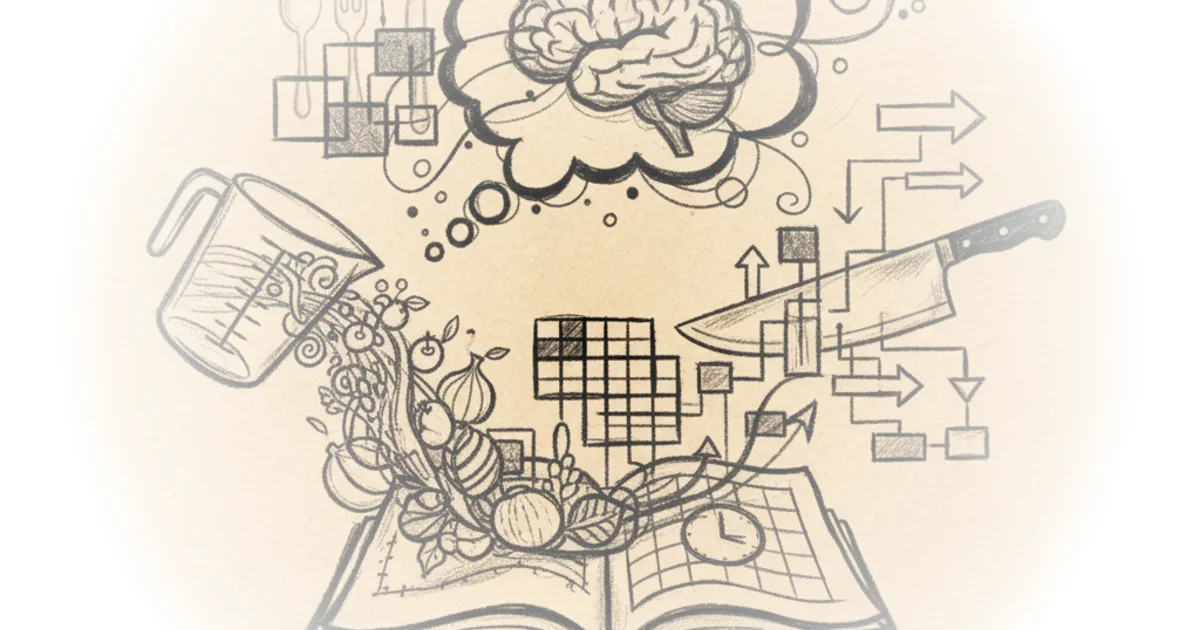
The institution acknowledges the upfront cost of this strategy, noting that "Meal planning definitely takes time and effort. So, I want to acknowledge that upfront, but I promise you it's worth it. You will save time in the end by doing some planning." This honesty is refreshing. It avoids the toxic positivity of "easy fixes" and instead offers a realistic trade-off: invest mental energy now to buy back time later. The logic holds up well for the target demographic of graduate students and busy professionals who often sacrifice nutrition for convenience simply because the cognitive load of deciding "what's for dinner" after a long day is too high.
"I'm not here to tell you that it's super easy. It doesn't take any effort. Meal planning definitely takes time and effort. So, I want to acknowledge that upfront, but I promise you it's worth it."
Strategic Scheduling and Spontaneity
The coverage then moves into the mechanics of scheduling, offering a nuanced approach to routine. Yale University suggests that consistency is key, recommending that readers "plan one week at a time... plan out your meals maybe a week at a time and start there." However, the text immediately introduces a vital layer of flexibility. It asks the reader to consider their own tolerance for structure: "How much spontaneity do I like? Do you want something that's totally planned? Three meals a day, seven days a week. You want that all planned in advance. I bet most of us aren't like that."
This is perhaps the most practical insight in the piece. It recognizes that rigid adherence to a plan often leads to abandonment. By advocating for a hybrid model—where dinners are planned but breakfasts and lunches remain flexible—the argument respects the reality of a chaotic schedule. "For me, I like most of my dinners planned... and then breakfasts and lunch I kind of leave to the fridge... I like some spontaneity." This approach reduces the risk of the "all-or-nothing" failure mode that plagues many diet attempts. Critics might argue that this level of planning is still too demanding for those working multiple jobs or irregular shifts, but the text's emphasis on tailoring the system to one's own life mitigates this concern.
The Economics of Food Waste
A significant portion of the commentary focuses on the intersection of nutrition and economics, specifically through the lens of food waste. Yale University identifies produce as the primary culprit: "Produce of course notoriously goes bad very quickly, right? So you might want to buy some produce that's going to only last a couple days in your fridge." The strategy proposed is counter-intuitive: buy the perishable items first and plan meals around their expiration dates. "You don't want that box of spinach kind of wilting in the back corner of your fridge and then you throw it away at the end of the week."
The text also addresses the psychology of leftovers, warning against the common mistake of stretching them too far. "I've made the mistake many times... of stretching leftovers a little too far and I've paid the price. Don't be like me. Leftovers are good for about 5 days." This specific, actionable advice—capping the reuse of leftovers at five days—prevents the health risks associated with spoiled food while maximizing the value of the grocery trip. The institution further suggests a creative reuse strategy, noting that a single ingredient like a rotisserie chicken can be reinvented into quesadillas, burrito bowls, and stock. "Think about how to take something that you bought for one purpose and made on one night and how to incorporate it into your meals the rest of the week."
Leveraging Technology for Cognitive Offloading
Perhaps the most forward-thinking element of the piece is its embrace of artificial intelligence as a planning tool. Yale University explicitly encourages outsourcing the mental labor of recipe generation. "You can see the prompt that I put in here... I have some spinach and some pepper jack cheese in the fridge... What can I do?" The text demonstrates how AI can generate a meal plan based on specific constraints like "quick, easy, healthy, cheap," effectively acting as a personal chef for the planning phase.
The institution goes further, suggesting that AI can handle the entire week's logistics. "Alternatively, if you don't want to just make one meal, you can have it make you an entire week of meals... tell it your dietary restrictions. And ask it to prepare a week of meals for you." This is a significant shift from traditional advice, which often relies on cookbooks or static meal plans. By integrating AI, the argument suggests that the barrier to entry for healthy eating is no longer knowledge, but the ability to curate and prompt the right tools. A counterargument worth considering is the potential for AI to suggest generic or culturally insensitive meals, but the text's focus on using the tool to clear perishable inventory first grounds the technology in practical necessity rather than novelty.
"Really thinking about how we can use these tools to take the cognitive load away from us and put it onto something else, making it more easy to implement these meal planning strategies for yourself at home."
The Running List and The Backup Plan
The final pillar of the argument is the importance of maintaining a running grocery list and having backup options. Yale University emphasizes the failure of memory: "Very many times in my life, I've run out of something and I said, 'Gh, I'm going to have to remember to get that at the grocery store next week.' And then, of course, I don't remember." The solution is simple but effective: "When I run out of something, I immediately add it to my grocery list."
Furthermore, the text stresses the necessity of a "backup plan" for when life inevitably disrupts the schedule. "Even our best-laid plans sometimes don't come to fruition... What can you throw together quickly as a backup?" This acknowledgment of human fallibility makes the advice robust. It doesn't rely on the reader being perfect; it relies on the reader having a safety net. By keeping pantry staples like onions, garlic, and oil on hand, the reader can pivot instantly when the planned meal becomes impossible.
Bottom Line
Yale University's argument succeeds because it treats meal planning not as a chore, but as a strategic intervention that protects both health and time. The strongest part of this coverage is its realistic acceptance of human limitations—admitting that spontaneity is necessary and that technology can be a partner rather than a crutch. The biggest vulnerability lies in the assumption that the reader has the initial time and energy to invest in the planning phase, a hurdle that remains high for those in extreme financial or time poverty. However, for the busy professional willing to shift their focus from the stove to the calendar, this approach offers a sustainable path to better nutrition.
"I'm not here to tell you that it's super easy. It doesn't take any effort. Meal planning definitely takes time and effort. So, I want to acknowledge that upfront, but I promise you it's worth it."
The piece ultimately proves that the secret to eating well isn't cooking more; it's thinking more clearly before you start.