Julia Belluz delivers a rare and necessary antidote to the noise of modern nutrition advice: a frank admission that individual willpower is no match for a broken food system. While most diet culture obsesses over the latest metabolic hack, Belluz argues that the real story isn't what you eat, but where you eat it. This piece is notable not for its recipes, but for its radical shift in focus from personal responsibility to environmental design, challenging the very premise of the diet industry.
The Illusion of Choice
Belluz begins by dismantling the obsession with personal diet hacks, a move that immediately separates her work from the typical wellness content flooding social media. She writes, "The major point we make is that all the fuss about individual diet hacks has been a great big distraction from how food environments drive eating behavior." This framing is crucial because it redirects the reader's energy from self-blame to systemic analysis. She acknowledges that while individuals aren't powerless, the playing field is uneven. Her personal approach—cooking daily, sourcing fresh ingredients, and avoiding ultra-processed foods—is presented not as a universal prescription, but as a privilege enabled by her specific circumstances in Paris.
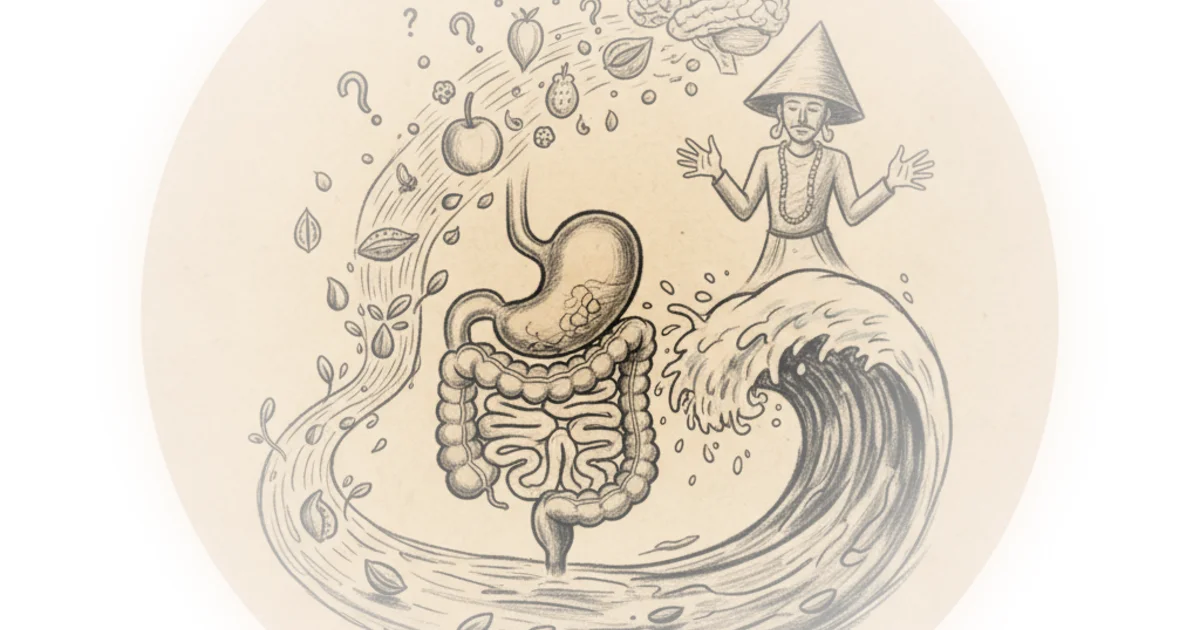
She notes the stark reality of sodium intake, pointing out that "Americans get some 70 to 80 percent of their sodium from processed products." This statistic reframes the public health war on salt, shifting the blame from the home cook's shaker to the industrial food supply. Belluz argues that "home food with low or no salt isn't very appealing," a practical observation that contradicts the restrictive, flavorless diets often promoted by health gurus. By emphasizing that fresh herbs and quality ingredients make vegetables palatable, she offers a more sustainable path to health than sheer deprivation.
"Genes load the gun, but the environment pulls the trigger."
This quote, attributed to obesity researcher George Bray, serves as the philosophical anchor for Belluz's entire argument. It succinctly captures the interplay between biology and context. Belluz uses her own history of weight struggle to illustrate this, admitting she has a "very high genetic susceptibility to obesity" but noting that her weight loss came from changing her environment, not just her willpower. Critics might argue that this environmental focus risks absolving individuals of any agency, yet Belluz is careful to balance this by detailing the specific, actionable changes she made within her home, such as storing junk food in hard-to-reach cupboards.
The Environmental Cost of the Plate
Beyond personal health, Belluz weaves in the often-overlooked environmental consequences of food choices, specifically regarding red meat. She highlights that "in terms of greenhouse gas emissions, water use, land use, and feed conversion, beef... requires far more resources than chicken, pork, fish or eggs." This connects her personal dietary shifts to the broader crisis of climate change, a theme explored in depth in companion pieces on animal agriculture. By avoiding red meat, she isn't just optimizing for her own health but reducing her ecological footprint.
Her stance on ultra-processed foods (UPFs) is nuanced. She doesn't demonize all processed items but draws a sharp line at "novel additives that have unclear or negative effects on health." She also points to the hidden cost of plastic packaging, noting that "food contact chemicals, including the chemicals that leach into what we eat from plastics, are harmful to health and the environment." This dual concern for human and planetary health strengthens her argument, moving it beyond a simple weight-loss narrative to a holistic view of well-being. She admits that "the more real food I eat, the less I enjoy or crave UPFs," suggesting that taste preferences are malleable and shaped by exposure.
Designing the Home Environment
Perhaps the most actionable section of the piece is Belluz's discussion on designing a home food environment that encourages healthy behavior. She describes a simple but effective strategy: "If the cake is on the counter or in the fridge at eye level, I'm very likely to take a bite. If it's out of sight, it's out of mind." This observation aligns with behavioral science, which suggests that friction can be a powerful tool for habit formation. She extends this logic to her children, serving vegetables as a starter to ensure they are eaten before the main course.
Belluz also addresses the limitations of her own success, acknowledging that her approach relies on "resources, time, wherewithal and support." She writes, "I am lucky to live in a household with a supportive partner... These are privileges too few people enjoy." This honesty prevents the piece from feeling preachy and instead positions it as a call to action for policy change. She argues that "the best thing we can do for our health, individually and collectively, is create food environments that make it easy for everybody to do the right thing."
"Food environments matter, and right now in too many countries, they're sickening people more than protecting them."
This stark conclusion underscores the urgency of her message. Belluz moves the conversation from the kitchen to the school board, detailing her efforts to improve school lunches in Paris. She notes that while Paris is known for nutritious school meals, her son's school serves "ultra-processed foods and sugary desserts on a regular basis." This highlights the inconsistency in food environments even within a single city and reinforces the need for advocacy at the institutional level.
Bottom Line
Belluz's strongest argument is her refusal to separate personal health from the political and environmental context in which food exists, effectively arguing that the solution to obesity is not a better diet plan but a better food system. However, the piece's vulnerability lies in its reliance on the author's specific privileges, which may feel out of reach for many readers struggling with food insecurity or time poverty. The takeaway is clear: while individual choices matter, the most impactful changes we can make are to demand and build environments where healthy eating is the default, not the exception.