In an era where personal testimony often supersedes empirical evidence, Freddie deBoer delivers a jarring corrective: the popular concept of "recovered memories" is not just scientifically dubious, it is a dangerous fiction that has already ruined lives. While the media fawns over bestselling memoirs detailing sudden awakenings to buried trauma, deBoer argues that we are witnessing a cultural delusion masquerading as healing, one rooted in outdated psychoanalytic theory rather than modern neuroscience.
The Myth of the Vault
DeBoer opens by dismantling the prevailing narrative that the mind acts as a secure vault, sealing away horrific events only to release them intact years later. "The popular picture of recovered memories suggests a clockwork mechanism in which horror is filed away and later retrieved like a document from a drawer," he writes. This framing is crucial because it exposes the absurdity of the folk theory that dominates self-help culture and therapy rooms alike. By comparing memory to a static file, deBoer highlights how this view ignores the messy, reconstructive nature of human cognition.
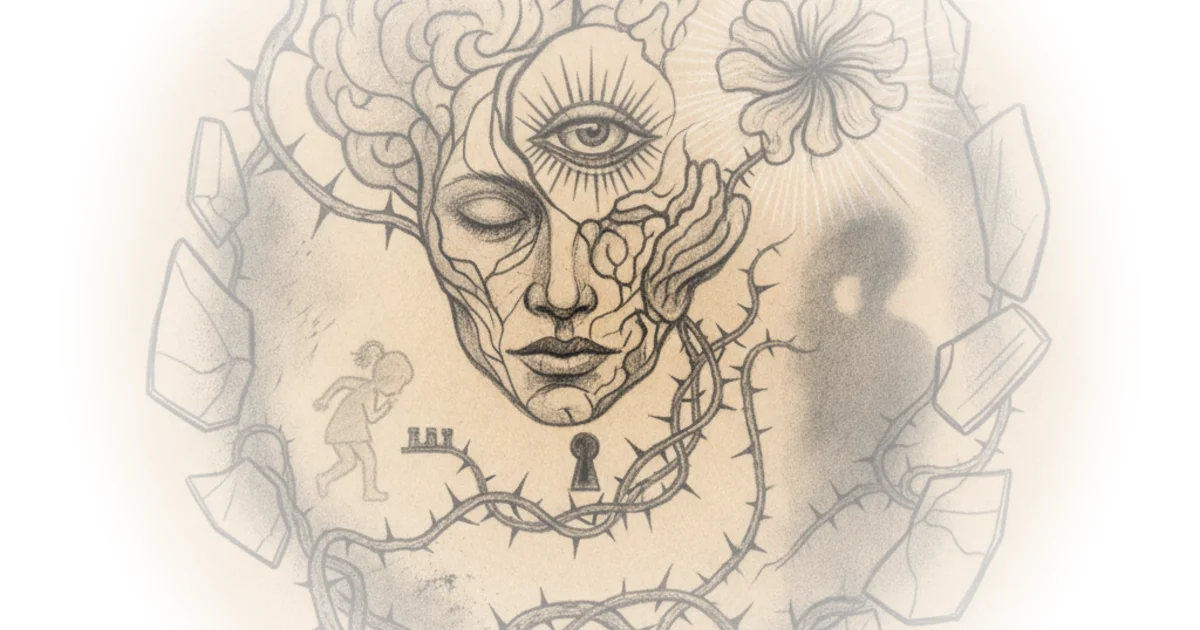
He traces the lineage of this belief not to rigorous science, but to the 19th-century work of Sigmund Freud and his contemporaries like Pierre Janet. The author points out that even Freud's own thinking on repression was "famously unsteady," shifting from a literal interpretation of abuse accounts to a theory of fantasy. Yet, this intellectual scaffolding hardened into common sense by the late 20th century, fueled by books like The Courage to Heal and talk show spectacles. The result is a belief system that deBoer calls "an unscientific folk theory with the kind of pseudo-medical dusting that is so common in the era of Trauma Culture." This critique lands hard because it challenges the moral high ground often assumed by proponents of recovered memory therapy, suggesting that their certainty is actually a barrier to truth.
The only way to fight sex crimes, against minors or anyone else, is with a fierce attachment to truth, fairness, and to due process. Recovered memories can't clear that bar.
The Science of Trauma
The core of deBoer's argument rests on a fundamental reversal of the trauma-repression narrative. He cites Harvard psychologist Richard McNally to assert that terrifying events are typically remembered with painful clarity, not banished. "Experiences that are overwhelmingly terrifying or traumatic are generally remembered very well," deBoer notes, explaining that stress hormones actually promote memory consolidation rather than suppression. This evidence directly contradicts the idea that a victim's inability to recall an event is proof of repression.
Critics might argue that this view dismisses the subjective experience of those who genuinely feel they have forgotten and then remembered abuse. However, deBoer counters by distinguishing between ordinary post-trauma forgetfulness regarding daily matters and the specific, total amnesia claimed by recovered memory proponents. The neuroscience backing for "dissociative amnesia" is described as "very thin," with recent reviews finding that brain activity cited as evidence often reflects intentional avoidance rather than a sealed-off vault. This distinction is vital: it suggests that what looks like recovery might actually be the result of suggestion.
The Danger of Suggestion
Perhaps the most alarming section of deBoer's commentary addresses the mechanisms used to "unlock" these memories. He draws heavily on the work of Elizabeth Loftus, whose experiments demonstrated the ease with which false autobiographical memories can be implanted. In one famous study, subjects were convinced they had been lost in a shopping mall as children—an event that never happened. DeBoer observes that "the mechanism for inducing false memories in a lab setting closely matches the conditions under which 'real' memory recovery happens in therapy." An authority figure suggests an event, probes repeatedly, and validates fragments until the subject constructs a vivid, emotional narrative of something that never occurred.
This is where the stakes become existential. DeBoer reminds readers that this isn't just theoretical; it has led to "unjustifiable prison sentences" based on claims with no physical evidence. He writes, "It's in the legal system that recovered memory theory destroyed real families and imprisoned real people for crimes that the available evidence suggests never occurred." The author acknowledges the necessity of believing victims while warning that faith in unverified memories can lead to neither truth nor justice. A counterargument worth considering is whether a rigid adherence to physical evidence might inadvertently silence survivors who lack corroborating documentation, yet deBoer insists that without scientific rigor, we risk manufacturing new tragedies.
Recovered memory proponents hold that when a person experiences a trauma too devastating to bear, the mind automatically represses the memory... Years later, that memory can supposedly be 'recovered' intact. But regardless of recovery method, there's no good scientific reason to believe the overall narrative.
Bottom Line
Freddie deBoer's argument is strongest in its relentless application of scientific consensus to a field dominated by anecdote and ideology, forcing a necessary reckoning with how we treat memory in therapy and court. Its biggest vulnerability lies in the emotional difficulty of accepting that some victims may be inadvertently harmed by the very methods meant to heal them. Readers should watch for how this skepticism intersects with ongoing legal battles over memoirs and the potential for policy shifts in how mental health professionals are trained to handle trauma claims.