Freddie deBoer delivers a searing indictment of the media industry's reliance on social media mobs to enforce conformity, arguing that truth has become secondary to tribal validation. In a landscape where career viability often hinges on algorithmic approval, deBoer's assertion that "the truth can't be crowdsourced" cuts through the noise of performative outrage to expose a systemic rot in how gatekeepers judge work. This is not merely a personal grievance; it is a structural critique of an ecosystem where lies are weaponized against unpopular figures and where the act of seeking feedback is mocked as a sign of weakness.
The Architecture of the Lie
The piece centers on a specific, bizarre incident involving deBoer's first novel, The Mind Reels, a deeply personal work about bipolar disorder. He details how journalists fabricated claims that the book was "antiwoke" and falsely attributed blurbs to high-profile figures like Andrew Sullivan. deBoer writes, "The first lie: one of them claimed that it was an 'antiwoke' novel... This is simply untrue; the book is resolutely apolitical." He notes the absurdity of these fabrications, pointing out that the book had not yet been published in retail form, making the existence of such blurbs physically impossible. The core of his argument is that these falsehoods were not accidental errors but strategic tools used to isolate him.
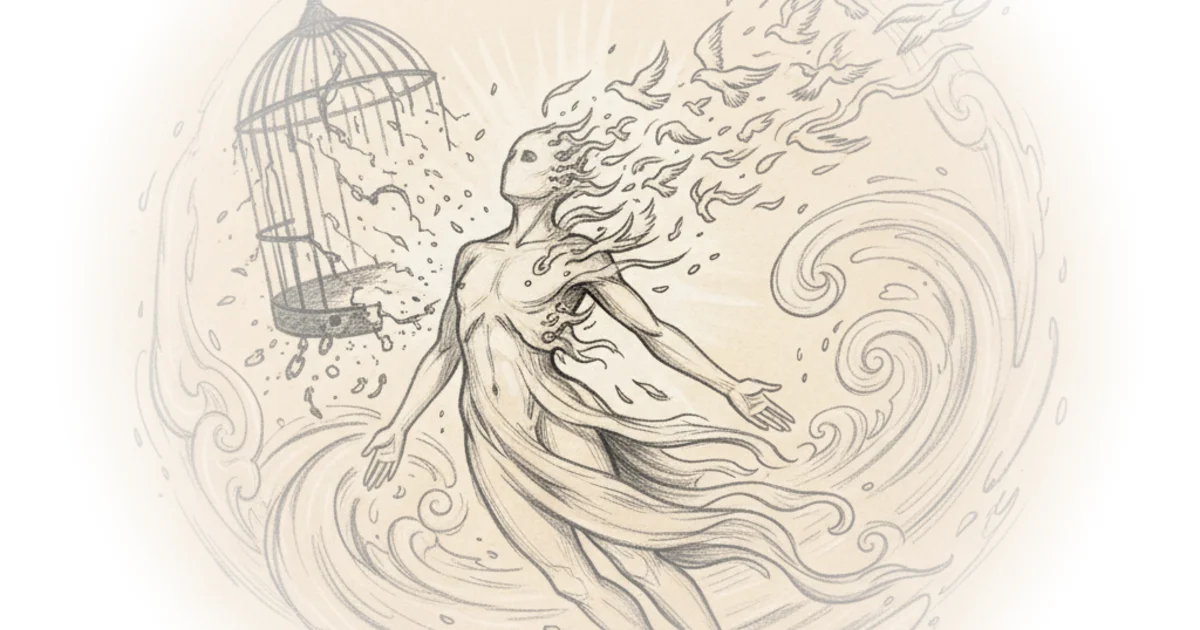
What makes this framing particularly potent is deBoer's observation that the industry's reaction to his correction was more damning than the lies themselves. When he challenged the falsehoods, the response was not a retraction but a pivot to shaming him for caring. "Aren't you embarrassed?" became the rallying cry of his critics. deBoer counters this with a stark moral distinction: "It's not remotely embarrassing to refute a lie told about you. What's embarrassing is to be the person who told the lie." This reversal forces the reader to confront the ethics of the mob mentality, suggesting that the true failure lies with those who prioritize social standing over factual accuracy. The reference to the culture of "galley proofs" and the pre-publication ecosystem adds a layer of professional specificity, reminding us that in the literary world, the distribution of early copies is a tightly controlled process, making the fabrication of blurbs a transparent lie rather than a misunderstanding.
Critics might argue that deBoer's focus on his own treatment risks overshadowing the broader, more urgent issues facing the publishing industry, or that his tone alienates the very gatekeepers he hopes to reach. However, his refusal to soften the blow is likely intentional; he is arguing that the problem is a fundamental lack of integrity that cannot be solved by polite negotiation.
The Punitive Cone of Silence
Beyond the specific lies, deBoer describes a sustained, coordinated effort to blacklist him from the industry. He alleges that for years, figures in the media have actively conspired to prevent his work from being published or even mentioned. "In the olden days, when Twitter was still the crucible of media careers, people openly said that I should not be given opportunities in establishment media," he writes. He recounts a specific email chain from around 2014 where writers encouraged each other to block his pitches, an act he describes as an "organized attempt to prevent me from having a career."
The most chilling aspect of his account is the industry's response to these allegations: a combination of gaslighting and moral disengagement. When confronted, critics often dismiss the conspiracy as paranoia while simultaneously admitting that he deserves the treatment. deBoer captures this cognitive dissonance perfectly: "A pretty classic example of the old 'that isn't happening, but it's good that it's happening' bit." He argues that this dynamic creates a "punitive cone of silence" where basic professional courtesies are withheld not because of the quality of work, but because of an individual's status as a designated target. This echoes the dynamics seen in the broader discourse around platform governance, where the mechanics of exclusion often operate in the shadows, much like the early days of Twitter's moderation policies before they were formalized.
Being honest can't be embarrassing; being dishonest is always embarrassing.
deBoer's plea is not for affection or a reversal of opinion, but for a return to basic professional standards. He asks for an end to the "zombie-like" shunning campaign and for critics to stop lying about his beliefs. "I would like to be attacked for what I actually believe and have actually said, not what others have decided about me," he states. This is a call for a meritocratic return to evaluating the work itself, rather than the reputation of the author as constructed by a hostile online crowd.
The Human Cost of the Hivemind
The emotional weight of the piece comes from deBoer's admission that he is a survivor of mental illness who poured "decades of pain and frustration" into his work, only to have that work distorted by a media class that views him as a "designated target." He notes that while his personal life has improved after nine years of medication and stability, the professional ostracization continues. The argument here is that the media's obsession with punishing unpopular figures has real, human consequences that extend beyond career stagnation. It creates an environment where truth is sacrificed for the "validation that they crave."
He explicitly rejects the idea that he is asking for special treatment, framing his request as a matter of universal principle. "These requests should have nothing to do with one's feelings towards me; they should be granted out of basic personal integrity." By appealing to the "third parties" and "gatekeepers" who may have heard rumors but haven't investigated, he attempts to bypass the entrenched hater culture. He urges the community to "aspire to higher principles than popularity," suggesting that the current state of affairs is a degradation of the journalistic and literary mission.
Critics might note that deBoer's history of controversy makes his plea for a return to "basic honesty" seem ironic to some, or that his demand for the industry to stop lying is naive in a polarized media landscape. Yet, the specificity of his examples—the non-existent blurbs, the fabricated political stances—suggests that the lies are not just rhetorical flourishes but deliberate acts of character assassination.
Bottom Line
Freddie deBoer's argument is a powerful, if desperate, appeal for the restoration of truth and professional integrity in a media ecosystem driven by social validation. Its greatest strength lies in its unflinching exposure of how lies are weaponized to enforce conformity, yet its biggest vulnerability is the possibility that the very audience he needs to persuade has already decided he is beyond redemption. The reader should watch for whether any major publication or influential figure steps forward to investigate the specific claims of coordinated suppression, as that would be the true test of the industry's willingness to prioritize facts over tribal loyalty.