This piece from The Pillar offers a rare, unvarnished look inside the Vatican's highest advisory body, revealing that the College of Cardinals has undergone a profound psychological shift under Pope Leo XIV. While much of the world focuses on doctrinal disputes or political maneuvering, this report highlights a structural rebirth: the cardinals themselves feel they have finally become a functioning "College" again after years of isolation. The evidence is not in a new decree, but in the candid testimonials of retired and active prelates who describe a newfound sense of community and genuine consultation that was absent during the previous pontificate.
A Return to Collegiality
The central argument of the article is that the most significant outcome of Pope Leo's recent consistories is not a specific policy decision, but the restoration of the College of Cardinals as a preeminent consultative body. The Pillar reports that after years where the previous pontiff "rarely consulted a wide body of cardinals," the current administration has made a deliberate pivot toward regular engagement. This shift addresses a long-standing grievance among the hierarchy regarding their role in governance.
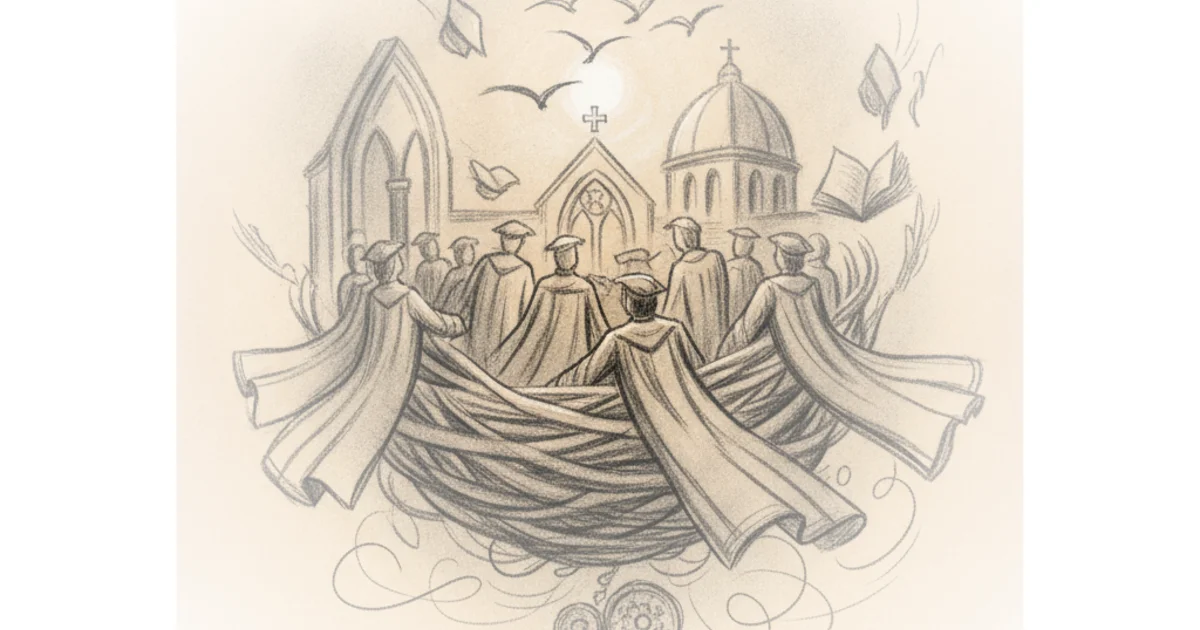
The emotional weight of this change is captured by a retired cardinal who told The Pillar, "I think the best thing about the consistory is that we finally feel like a College of Cardinals again." The piece notes that under the previous administration, many cardinals did not know one another well, but now, "there seems to be much more of a relationship between cardinals, even among cardinals who see things very differently." This observation is crucial; it suggests that the health of the Church's leadership depends as much on interpersonal cohesion as it does on theological alignment.
"Francis didn't consult us that much, many of us didn't know each other, and that seems to have changed."
The editors at The Pillar correctly identify this as a departure from the past twelve years, where consistories were infrequent and often served merely as informational briefings rather than genuine dialogues. One active cardinal contrasted the current sincerity with a 2022 meeting under the previous regime, noting that while they were summoned to Rome, "we weren't consulted, it was just an informative session — everything was said and done by then." The new approach, which includes plans for annual multi-day consistories, signals a structural commitment to shared discernment.
Methodology and Generational Divides
However, the coverage does not shy away from the friction caused by the new methods. The article details a distinct generational and theological split regarding how these discussions should be conducted. Cardinals appointed by Pope Benedict XVI or John Paul II, who are accustomed to traditional plenary sessions where the entire assembly hears every speaker, express discomfort with the current reliance on small-group discussions.
The Pillar reports that while Francis-era appointees seem comfortable with this intimate format, older cardinals argue it limits their ability to hear the full breadth of opinion. "Some of us took part in consistories under Benedict XVI... so we know it's a different thing to be able to hear the whole assembly and not just your group," one retired cardinal explained. The piece argues that while small groups foster deeper personal connections, they risk silencing the collective voice of the episcopate.
Critics might note that this divide reflects a broader tension in modern ecclesial governance: the desire for efficient, focused dialogue versus the traditional need for transparent, public deliberation. A retired cardinal offered a potential middle ground, suggesting a hybrid model reminiscent of past synods where plenary sessions were followed by smaller working groups. "Both methodologies have their merits," he told The Pillar, noting that while small groups allow for focus, "plenary sessions mean everyone in the hall hears you and you can also hear everyone else." This nuance is vital; it shows that even within a broadly positive reception, there is an active debate about the mechanics of power and voice.
The Weight of Doctrine and Synodality
Beyond structure, the article delves into the substantive content of the discussions, revealing both clarity and confusion among the hierarchy. The coverage highlights a session on the doctrine of "just war," which some cardinals found surprisingly clear despite initial apprehensions about the presenter's reputation. However, the discussion also exposed deep uncertainties regarding the concept of "synodality."
The Pillar reports that while the Pope has framed synodality as a "spirituality, not a procedure," many cardinals remain skeptical or confused. One cardinal expressed concern that the current implementation might be driven by human will rather than divine guidance: "I'm not sure if the Holy Spirit is involved as deeply as many suggest... I think it might be the case that is not the Holy Spirit, but another spirit." This candid admission underscores the fragility of consensus when theological concepts are redefined.
Yet, there were moments of clarity. The article highlights a speech by Cardinal Antonio María Rouco, who argued for grounding synodality firmly in the ecclesiology of the Second Vatican Council. A cardinal quoted in the piece found this "very pertinent," stating, "We need to understand synodality within collegiality, we need to restore the proper relationship between the pope and the episcopal college." This suggests that the path forward may require a return to established theological frameworks rather than novel interpretations.
The Future of Faith Formation
Ultimately, the piece concludes with a consensus on what matters most: the crisis of faith and the urgent need for evangelization. Despite disagreements on method or specific doctrines, the cardinals agree that the Church faces a "huge hunger for faith" coupled with a lack of basic catechesis among new converts.
The Pillar notes that many cardinals believe future consistories must focus on how to form Catholics in their own faith. "We're undergoing a wave of conversions... but many Catholics don't know their faith, and I think it's something we need to discuss," one cardinal said. The article captures a striking observation about the new generation of believers: they are "more interested in Catholicism as it is," suggesting that the Church must respond with authenticity rather than adaptation.
"There's a big crisis of faith... We've forgotten the true meaning of human love, of the family, and there's no society, no possibility to respect human dignity without the family."
This focus on the domestic church and the foundational role of the family in preserving human dignity offers a concrete direction for future leadership. It moves beyond abstract governance debates to the lived reality of believers.
Bottom Line
The strongest element of this coverage is its ability to capture the internal morale of the College of Cardinals, revealing a leadership body that feels re-energized and genuinely consulted for the first time in over a decade. Its biggest vulnerability lies in the unresolved tension between the efficiency of small-group dialogue and the transparency required by traditional collegiality, a friction that could resurface if consensus fails to materialize. Readers should watch whether this renewed sense of community translates into unified action on the pressing issues of evangelization and family life identified as critical by the cardinals themselves.