The Darkness Within
A unsettling psychological claim cuts through comfortable assumptions about human nature: social norms, not innate morality, keep civilization from barbarism. Bentham's Bulldog argues that most people would commit horrific acts if embarrassment and social disapproval stopped penalizing them.
When Norms Collapse
The piece opens with a stark observation about human behavior. Bentham's Bulldog writes, "In general, people are nice and helpful. But that is because social norms direct people to be nice and helpful." The argument builds: remove the social cost of bad behavior, and people routinely choose evil over goodness.
The evidence starts with everyday moral failures. People who believe eating meat is egregiously evil continue eating it. Those convinced that failing to donate to effective charities equals walking past drowning children give basically nothing. Bentham's Bulldog notes, "Most people aren't willing to save lives for 10 or 100 dollars." This shows callous disregard for human life when no social stigma attaches to inaction.
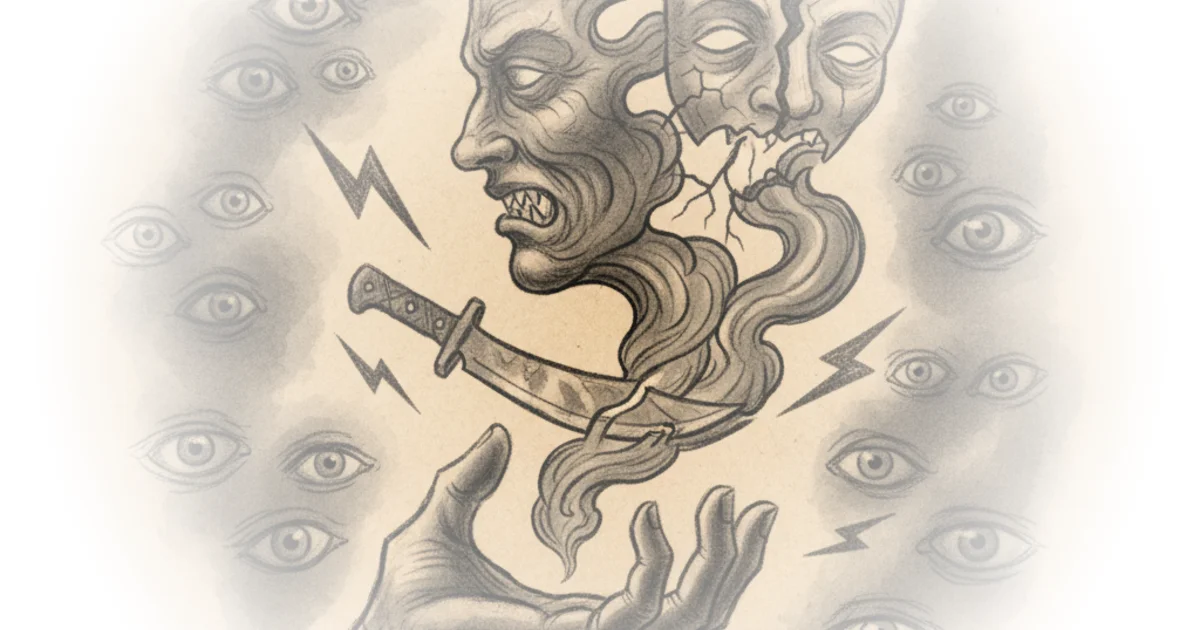
"Monsters aren't confined to fairy-tales—they live inside us all."
Authority Over Conscience
The Milgram experiment provides the most disturbing evidence. Bentham's Bulldog writes, "65% of people continued all the way to 450 volts" despite hearing screams and heart trouble complaints. When participants couldn't hear the victim, basically 100% complied. The takeaway: abstract knowledge of torture weighs far less on conscience than the awkwardness of disobeying authority.
Critics might note that Milgram's methodology has been questioned for decades—participants may have suspected the shocks weren't real. Yet replications persist, and the distress participants displayed suggests they believed the harm was at least possible.
The Rwandan genocide illustrates what happens when authority sanctions violence. Bentham's Bulldog quotes a killer: "Afterward we got used to killing without so much dodging around. Killing became an ordinary activity, since our elders and everyone did it." Neighbor hacked neighbor to death with machetes. Between 250,000 and 500,000 women were raped. Most killers were psychologically normal before the norms shifted.
Testing Your Own Morality
The piece offers a practical test: if you believe you'd resist atrocities, demonstrate it now. Bentham's Bulldog writes, "You can save a bunch of lives fairly cheaply. You can, at some cost, stop torturing animals." Those who go along with what they believe wrong because it's easy shouldn't confidence they'd stop when the wrong becomes grisly.
The author includes themselves: "I do things all the time that I think are wrong. I give far less than I ought to." In a society of angels, Bentham's Bulldog claims they'd be regarded as equivalent to Jeffrey Dahmer. Probably so would most readers.
Critics might argue this framing is too pessimistic—human cooperation and empathy have built civilizations, not just destroyed them. The piece underweights how often people resist authority for moral reasons, from whistleblowers to civil rights activists.
Knowing Evil Through Resistance
C.S. Lewis provides the closing frame: only those who try to resist temptation know its strength. Bentham's Bulldog writes, "The more you cultivate in yourself genuine concern about doing what is right, rather than faux concern as an excuse to judge your enemies, the more truly you will know how rotten you really are and the less rotten you will become."
The Holocaust stands as the extreme case—psychologically normal people administered genocide. The lesson isn't that humans are irredeemably evil, but that moral motivation is fragile when social norms invert.
Bottom Line
Bentham's Bulldog's argument is uncomfortable but empirically grounded: social norms constrain barbarism, not innate goodness. The verdict: moral self-confidence without demonstrated sacrifice is dangerous delusion. Start saving lives cheaply, stop eating tortured animals, and test whether you're the person who'd resist—or comply.