Cory Doctorow delivers a stinging rebuke to the notion that modifying your own devices constitutes theft, reframing the debate as one of national security rather than intellectual property rights. While a panel moderator in Toronto dismissed jailbreaking iPhones as "rampant theft," Doctorow argues this legal fiction is actually a strategic vulnerability that leaves nations like Canada hostage to American corporate whims and political volatility.
The Sovereignty Trap
Doctorow opens by dismantling the premise of "digital sovereignty" discussions that focus solely on building domestic AI models. He points out a glaring contradiction: while Canadian officials worry about losing control over chatbots, they ignore the far more immediate threat of foreign executives remotely disabling critical infrastructure. As Doctorow writes, "Donald Trump and US Big Tech have fused into a single entity and Trump now orders US tech giants to terminate the online accounts of foreign officials who displease him." This fusion creates a scenario where a foreign leader could theoretically paralyze an entire country's government by ordering Microsoft to shut down Office 365 or Apple to brick every iPhone.
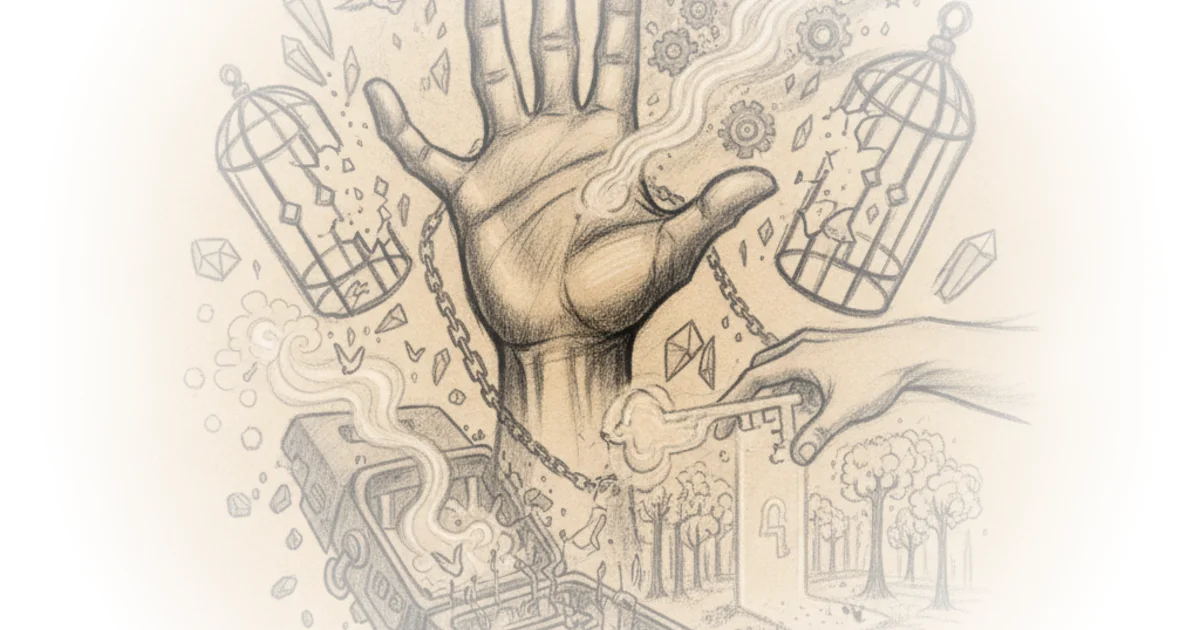
The author highlights that this isn't hypothetical; it is a direct consequence of laws Canada passed in 2012 under the Copyright Modernization Act. Doctorow notes, "In 2012, we passed a law... that criminalizes 'jailbreaking,' meaning that Canadian companies can't go into business figuring out how to install different app stores on phones and consoles." This legislation was a concession made to secure free trade deals with the United States—a deal whose terms have since been abandoned by the current US administration. Yet, Canada remains bound by these restrictions while its trading partner no longer honors the original bargain.
"If buying software from the company that made it and installing it on a device you own is 'theft of IP,' then so is putting non-Nike shoelaces in your Air Jordans."
This analogy effectively strips away the legal mystique surrounding digital locks, reducing them to absurdities when applied to physical property. Doctorow's argument gains further traction when he connects these restrictions to economic exploitation. He details how US duopolies like Google and Meta siphon 51% of ad revenue through collusive arrangements known as "Jedi Blue," while mobile platforms take a 30% cut of every app transaction. By criminalizing the tools that allow Canadians to bypass these fees, the Canadian government is effectively enforcing a tax on its own citizens for the benefit of California-based monopolies.
Critics might argue that strong intellectual property protections are necessary to incentivize innovation and protect creators' revenue streams. However, Doctorow counters this by revealing that the very giants claiming victimhood built their empires on circumventing existing rules. He reminds readers that Apple's founders, Steve Jobs and Steve Wozniak, "financed their first product launch by selling 'Blue Boxes' (devices that let you make free long distance calls by cheating the phone company)."
The Hypocrisy of the Incumbents
The piece takes a sharp turn into historical irony when Doctorow connects modern anti-circumvention laws to the origins of Apple itself. He argues that the company now uses its political power to criminalize the exact behavior that funded its inception. "A company whose founders got their seed capital by marketing illegal circumvention devices now markets products designed to make it a crime for a rightsholder to sell their own work to you," Doctorow observes. This framing forces the reader to confront the hypocrisy of Big Tech's legal stance: if jailbreaking is theft, then Apple was founded on theft.
Doctorow draws a parallel to the breakup of the Bell System in the 1980s, noting that AT&T was broken up precisely because it engaged in monopolistic practices similar to those currently employed by modern tech giants. The "toll theft" committed by Blue Box users was essentially a response to AT&T's overcharging, just as jailbreaking today is a market correction against exorbitant platform fees. By criminalizing these corrections, the law protects incumbents rather than fostering competition.
"Every pirate wants to be an admiral: But this is just a little too on the nose."
The argument suggests that true digital sovereignty for Canada would not come from building a domestic AI competitor—a venture Doctorow dismisses as likely to lose billions—but from legalizing the tools that allow users to escape US platform dominance. He posits that if Canadian businesses were free to compete without the 30% tax, "it would be as though every Canadian news outlet increased its subscriber base by 25% overnight!" This reframes jailbreaking not as a niche hobbyist activity, but as a macroeconomic lever for national resilience and wealth creation.
Bottom Line
Doctorow's most compelling contribution is shifting the conversation from abstract intellectual property rights to concrete geopolitical risk, demonstrating that current laws leave nations dangerously exposed to foreign executive overreach. While his reliance on historical precedents like the Blue Box era is rhetorically powerful, it may understate the complexities of modern software licensing and security concerns that legitimate platform owners cite. Ultimately, the piece serves as a stark warning: until countries repeal anti-circumvention laws, they remain tethered to a digital infrastructure that can be switched off by a single foreign decision-maker.