This isn't just a procedural update on church policy; it is a stark revelation that the very mechanism designed to heal a 25-year-old crisis may be replicating the culture of silence that fueled it. The Pillar exposes how a landmark revision, intended to modernize safeguards against abuse, has been narrowed by design to exclude adult victims and shield institutional reputation under the guise of 'due process.' For anyone tracking how powerful institutions respond to trauma, this report offers a chilling case study in how good intentions can be hollowed out by closed-door deliberations.
The Narrowing of the Scope
The piece opens by reminding readers that the original 2002 Dallas Charter was born from an existential crisis following the Boston Globe's exposure of clerical abuse. It was meant to be a living document, revised every seven years to reflect new lessons. Yet, as The Pillar reports, the current revision process has been explicitly constrained: "When the review began in fall 2021, it was with the instruction that the Charter is not to deviate from its current focus on minors and clergy." This directive, repeated at least three times by the body of bishops, effectively carved out the growing reality of abuse against adults.
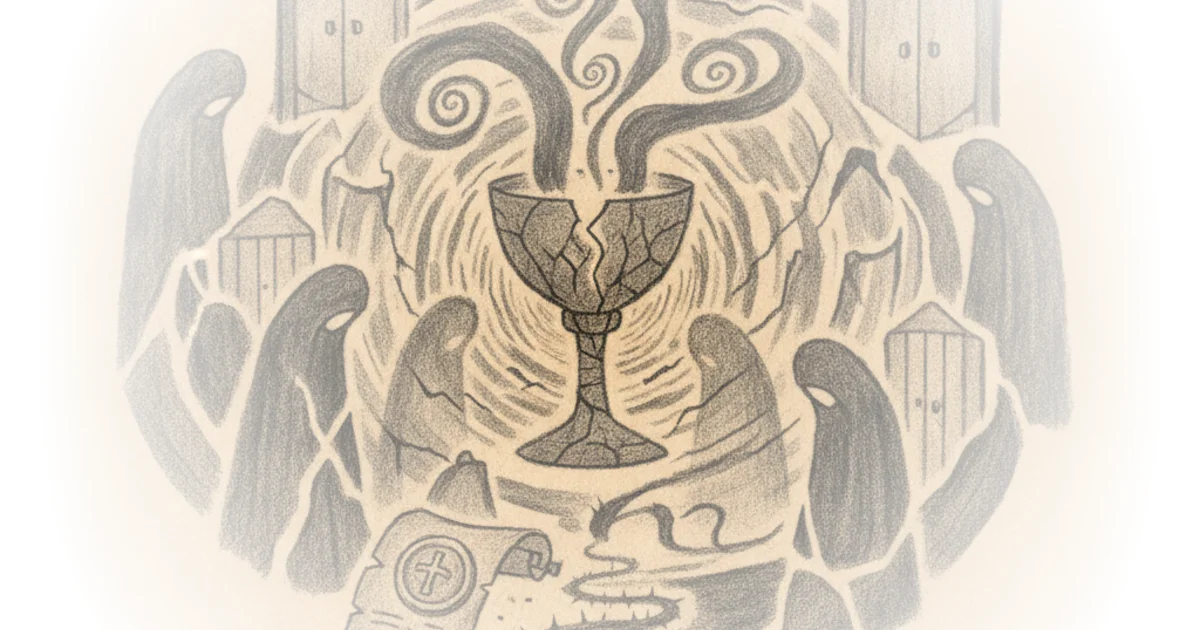
Bishop Barry Knestout, who led the revision, defended this limitation in a June 10 meeting. The Pillar quotes him stating, "As a result, other than the footnote references, the revised Charter before you does not address in detail, cases of sexual abuse involving adults or abuse perpetrated by others in Church service." He argues these matters belong to separate canonical processes. This framing is strategic; it allows the bishops to claim they are addressing adult abuse through future documents while keeping the current 'Charter' clean of its most controversial expansions.
However, this separation ignores a critical historical parallel. Just as the National Legion of Decency once policed cultural morality without addressing the underlying power dynamics, or how the Virtus program initially focused narrowly on child safety protocols before broader failures emerged, isolating the issue of adult abuse risks repeating past silos. The Pillar notes that experts warned this omission would be seen by victims as a refusal to acknowledge the full scope of the crisis.
"The words we choose matter... Unfortunately, these proposed revisions do not address an urgent issue: the abuse of adults by Catholic leaders."
Sara Larson, director of the advocacy group Awake, delivers a devastating critique in the text. She points out that while progress has been made for children, "Adults continue to experience devastating abuse in situations of vulnerability like confession, spiritual direction, pastoral support, religious life, and employment, yet there are very few safeguards in place." The piece effectively uses her voice to highlight that the proposed revision feels less like an evolution and more like a retreat.
The Cost of Secrecy and Due Process
The commentary shifts to the internal friction of the consultation process. The Pillar reveals a troubling dynamic: the National Review Board, meant to provide independent oversight, was asked to sign non-disclosure agreements (NDAs). One member was dismissed for refusing to do so. This move created a "chilling effect" among consultants, undermining the transparency the bishops claim to value.
The draft also introduces a stronger emphasis on the presumption of innocence for the accused. While The Pillar acknowledges that due process is legally necessary, it notes the criticism from experts who fear this language tips the scale too far toward institutional protection. "Without suggested additions, the new emphasis on due process could make the document seem to victims unduly balanced toward institutional and clerical protection," sources told the publication.
This tension mirrors the broader struggle within the Church: how to balance legal defensiveness with pastoral healing. Critics might argue that without robust due process protections, the Church invites further legal liability and unfair accusations. Yet, as The Pillar suggests, when safeguards are presented in a vacuum of secrecy and without acknowledging past institutional failures, they often feel less like justice and more like self-preservation.
A Clash of Visions: Synodality vs. Speed
The most compelling narrative arc involves Archbishop Shawn McKnight's attempt to pause the vote for further consultation. He argued that the current process is "endemic to the culture" of the conference, lacking true buy-in from those who must live under these rules. The Pillar captures his plea: "I'm worried how the language presently in the draft will impact our known victims as well as our unknown victims." McKnight specifically referenced the summer of 2018—a pivotal moment when the Pennsylvania grand jury report and other scandals shattered any illusion that the crisis was contained.
Knestout's rebuttal was swift and dismissive: "There has been consultation occurring for about five years... I'm not sure what it would add to extend that consultation beyond this." The piece paints a picture of an institution racing toward a vote despite clear signals that the foundation is shaky. McKnight's call for a more 'synodal' approach—broad, inclusive, and slow—is rejected in favor of efficiency.
"It is endemic to the culture that we have as a conference, too. Perhaps the importance of this document would justify doing something a little different in terms of getting better feedback and buy-in..."
This quote from McKnight serves as the article's thematic anchor. It suggests that the problem isn't just the text of the Charter, but the culture of decision-making that produced it.
Bottom Line
The strongest element of this coverage is its unflinching exposure of how institutional self-protection can masquerade as procedural prudence; The Pillar effectively demonstrates that narrowing the scope to exclude adult abuse is a political choice, not a theological necessity. Its biggest vulnerability lies in the uncertainty of the outcome: without knowing if Archbishop McKnight's motion to delay will succeed, the piece leaves readers with a cliffhanger rather than a resolution. Watch closely for whether the bishops vote to proceed on Thursday or heed the call for a broader, more transparent consultation process.