Tom van der Linden identifies a quiet but pervasive shift in how we consume stories: we are no longer watching to be challenged, but to be confirmed. In an era where attention is the scarcest resource, the author argues that cinema has pivoted from sparking curiosity to offering a digital comfort blanket, prioritizing immediate relatability over narrative depth. This is not merely a critique of bad movies; it is a diagnosis of a cultural psychology that now demands every story reflect a specific, pre-existing identity back to the viewer.
The Currency of Relatability
Van der Linden begins by dismantling the modern obsession with "literally me" characters, tracing a line from blockbuster hits to indie darlings. He points to the reception of films like Barbie, noting that while the film was a cultural phenomenon, its success relied on a specific type of engagement. "The success of Barbie as Caitlyn Quinland argues exemplifies a growing Trend in storytelling and film making one that is increasingly focused on and obsessed with relatability," van der Linden writes. The author suggests that this is not an accident of taste but a calculated economic strategy. In a saturated media landscape, studios are stripping away the friction of specificity to maximize market reach.
This framing is compelling because it connects the dots between corporate strategy and audience psychology. Van der Linden observes that "relatability is the chief psychological lubricant that Glides you thoughtlessly down the curated endless Scroll of your feet." The argument holds weight here: when a story feels like a mirror rather than a window, it requires less cognitive effort to consume. However, this efficiency comes at a cost. The author notes that this dynamic has led to a "growingly homogeneous and shapeless mass in pursuit of Maximum reach," where characters become avatars for projection rather than fully realized individuals.
Critics might argue that the desire for relatability is a natural human response to an increasingly fragmented world, and that films serving as emotional mirrors have always existed. Yet, van der Linden's distinction lies in the commodification of this feeling. He writes, "this relatability this beautiful and rather spontaneous relational quality that can develop between a story and the audience is increasingly being commodified that it's increasingly becoming a deliberate business TX an exploit that co-ops our natural capacity for emotionality into a broader quest for attention and profit." This shift from organic connection to manufactured validation is the crux of the piece's urgency.
Relatability is the coin of the digital media realm, a malleable concept that delights advertisers and publishers alike because it all but guarantees to garner a reader's attention.
The Death of Conflict and the Rise of Moralism
The commentary then pivots to the dangerous side effect of this trend: the erosion of cinema's ability to foster genuine debate. When the primary metric for a film's value becomes how well it aligns with the viewer's pre-existing worldview, the art form loses its capacity to challenge. Van der Linden highlights how audiences now categorize films not by their artistic merit, but by their moral alignment. "The gradual conditioning towards relatability and towards Desiring affirmation also ends to our more essential values and beliefs which has caused us to increasingly obsess over good movies and bad movies not in a film making or storytelling sense but in a moral one," he explains.
This is where the argument becomes most prescient. The author describes a culture where "instead of welcoming critical discussion as an invitation to broaden your horizon it is treated as an attack that has to be deflected." The result is a polarized environment where complex narratives are reduced to buzzwords like "woke" or "problematic" if they deviate from the viewer's comfort zone. Van der Linden acknowledges that representation is vital, but warns against the "capitalization of representational Politics" where studios "carefully calibrating the exact right balance between being specific enough to get the accolades for representation but not so much that they actually have to sacrifice marketability."
A counterargument worth considering is that the backlash against "wokeness" is sometimes a genuine reaction to performative diversity that lacks substance, rather than a rejection of diversity itself. Van der Linden touches on this, noting that there are "plenty of examples in which we find subversions of or commentaries on storytelling tropes and sociopolitical Norms that are actually done very well." However, he argues that the current climate makes it difficult to distinguish between thoughtful subversion and shallow tokenism because the lens of moral judgment has become so dominant.
The author's analysis of the "literally me" meme culture further illustrates this retreat from engagement. He observes that these memes "don't really promote engagement with the actual content of these movies" but rather serve as a way for audiences to "relish and IR relatable emotion at the surface... maintaining a willful ignorance towards everything else." This creates a feedback loop where audiences consume stories that validate their frustrations without ever asking them to confront the root causes of those feelings.
The Loss of Cinematic Curiosity
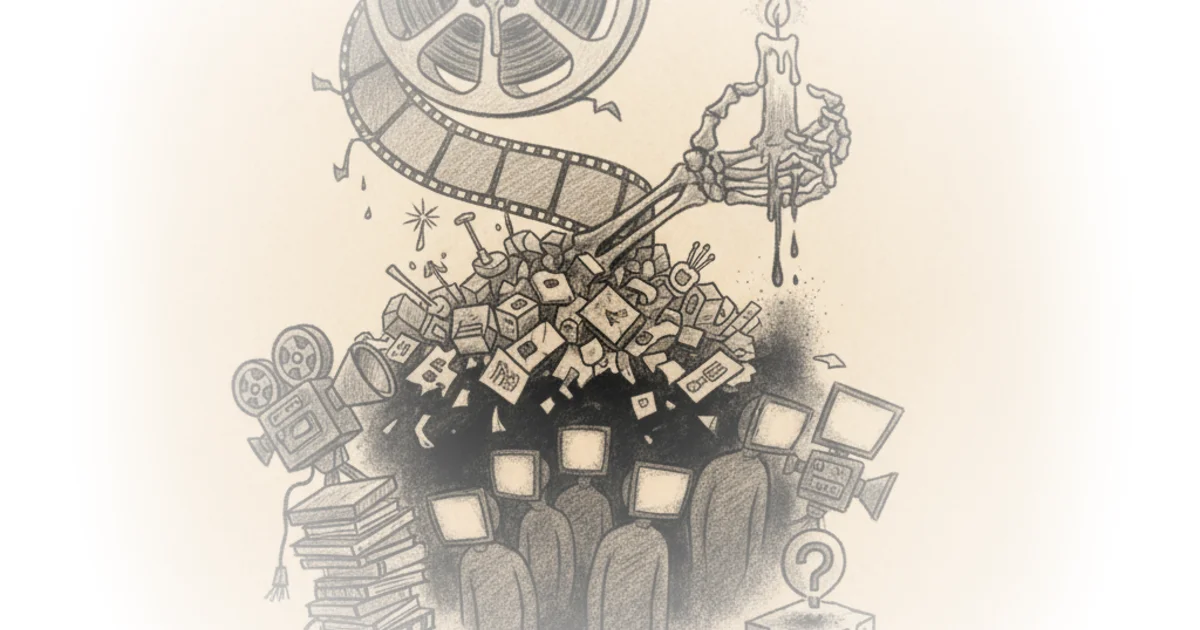
Ultimately, van der Linden posits that we are witnessing the "death of cinematic curiosity." The willingness to engage with the unfamiliar, the difficult, or the ambiguous is being replaced by a demand for affirmation. The author writes, "it's all being recontextualized reframed through the lens of relatability of what we understand and perhaps above all of what we agree with." This is a profound loss for the medium, as cinema has historically been a space where we can safely explore the edges of human experience.
The piece concludes by suggesting that this trend is not just about movies, but about a broader cultural shift where "our attention has become one of the most valued resources." When attention is the currency, comfort is the product. Van der Linden's warning is clear: if we continue to prioritize stories that simply tell us who we are, we will lose the ability to discover who we might become.
The way we look at movies the things we expect from them it's all changing or rather it's being narrowed down it's all being recontextualized reframed through the lens of relatability of what we understand and perhaps above all of what we agree with.
Bottom Line
Van der Linden's strongest contribution is linking the corporate drive for maximum reach to the psychological retreat into self-affirmation, revealing how the "literally me" phenomenon is a symptom of a broader attention economy. The argument's vulnerability lies in its occasional conflation of genuine audience fatigue with shallow marketing, but the core diagnosis remains vital: we are trading the friction of great art for the comfort of a mirror. As the executive branch and cultural institutions grapple with polarization, the film industry's retreat from challenging narratives offers a cautionary tale about what happens when we stop listening to stories that don't sound like us.