This isn't just another story about public health; it's a forensic audit of how a state-funded network bypassed democratic consent to impose lifetime bans on nicotine. Reason exposes a chilling pattern where local health boards, designed for sanitation and disease control, were weaponized by activists to enact "Nicotine-Free Generation" policies without a single vote from the residents they govern.
The Machinery of Manufactured Consent
The piece argues that these bans are not the result of grassroots demand but rather a coordinated campaign funded by taxpayer dollars. Reason reports, "Public records from 13 Massachusetts municipalities reveal that the adoption of NFG policies is not the result of popular demand. It is the result of a coordinated, state-funded campaign of a dedicated network of activists." This revelation strikes at the heart of local governance: when officials are tasked with enforcing health codes, they are suddenly mobilizing to lobby for prohibition.
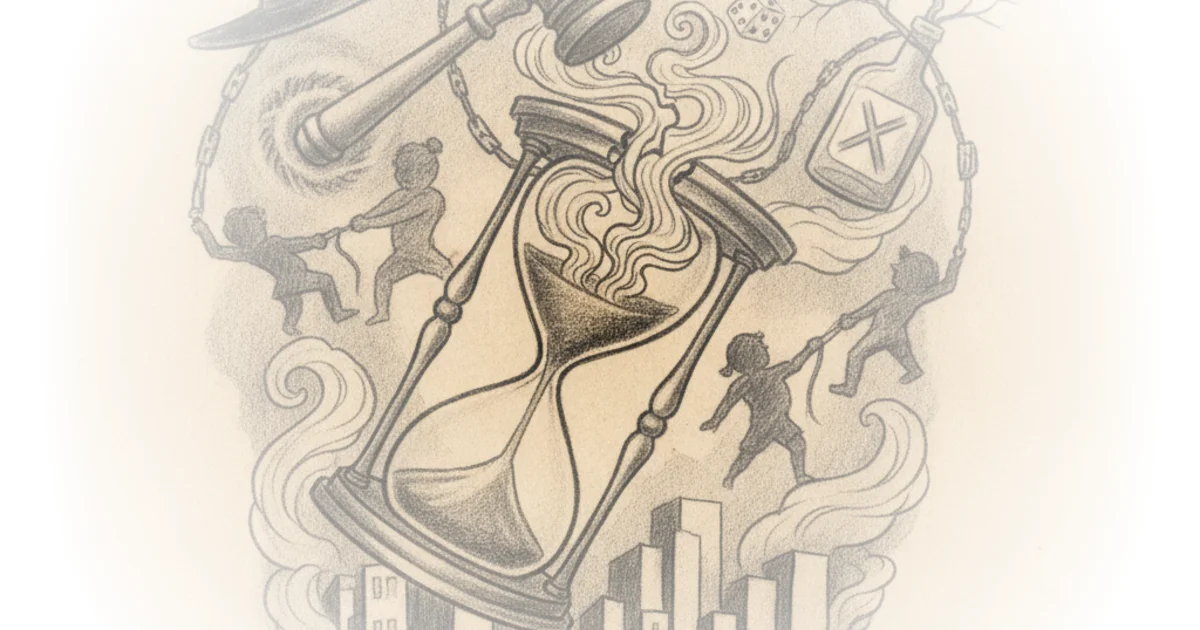
The evidence presented suggests a disturbing level of orchestration. Health directors and program managers, who should be neutral administrators, acted as campaign strategists. In one email chain, a tobacco inspection coordinator offered to deploy volunteers to "answer questions, attend a meeting, testify at a hearing, whatever." The piece notes that the Massachusetts Tobacco Cessation and Prevention Program (MTCP) tracks these adoptions as specific goals, blurring the line between public service and political activism. A counterargument worth considering is that public health officials have a duty to protect vulnerable populations, even if it means aggressive advocacy; however, the sheer scale of this coordinated effort suggests a departure from standard protective measures into engineered policy outcomes.
"The dual role of government employee and prohibition activist is evident in an email chain..."
Scripted Hearings and Recruited Voices
Perhaps most alarming is how public hearings were treated as mere formalities rather than genuine opportunities for dialogue. The article details instances where boards voted unanimously before a single resident had spoken, or where hearings lasted only 14 minutes with no opposition recorded. In Belchertown, despite receiving about 1,000 emails in opposition, the board voted to pass the ban after board members privately coordinated with outside legal advocates on the regulation's language.
Reason highlights a particularly stark moment of this dynamic: "I'm going to line up as many parents that have addicted kids that I can. Game on." This quote from a health director reveals an intent to manufacture emotional testimony rather than listen to community concerns. The piece further exposes how officials actively recruited children to speak in favor of banning their own future choices, with one official asking, "Do we still have a joint program... where we could recruit from?" followed by the reply, "For what? Support NFG." This tactic of dragooning youth into supporting legislation that restricts adult autonomy is ethically fraught. Critics might argue that highlighting the risks of nicotine to minors justifies any means necessary, yet the manipulation of public process undermines the very trust required for effective health policy.
The Strategy: Local First, Statewide Later
The coverage uncovers a deliberate long-game strategy: use low-profile local boards to create a patchwork of bans that forces state-level preemption. Reason explains, "The more localities that pass this policy, the pressure it puts on the state to pass a statewide NFG bill." This approach ironically mirrors the very arguments tobacco control groups have historically made against federal overreach—using local laboratories for innovation—only to pivot and demand uniformity once enough towns are covered.
The financial stakes behind this push are staggering. The Public Health Advocacy Institute saw its revenue jump from $741,000 in 2022 to $21.2 million the following year. This influx of funding appears tied directly to the expansion of these bans. The piece notes that while youth nicotine use is at a 25-year low and fewer than 2 percent of kids smoke cigarettes, the campaign continues to target "tomorrow's adults." This raises a critical question: if the public health crisis has been solved, what justifies the continued erosion of personal liberty? The argument here is compelling because it connects the dots between funding spikes, procedural manipulation, and policy outcomes that lack a popular mandate.
Bottom Line
Reason's investigation delivers a damning verdict on how well-intentioned public health goals can be hijacked by bureaucratic overreach and manufactured consent. While the intent to reduce nicotine addiction is noble, the evidence of scripted hearings, recruited testimony, and ignored town votes suggests a process that has lost its democratic soul. The strongest part of this argument is the irrefutable paper trail showing officials working in tandem with activists to sidestep public opinion; its vulnerability lies in whether these local bans can survive legal challenges regarding preemption and individual rights. Readers should watch closely as this strategy shifts from town halls to state legislatures, potentially setting a precedent for age-graded prohibitions on other consumer goods.