Ken White delivers a blistering takedown of the moral and logical inconsistencies at the heart of Substack's current strategy. While the platform markets itself as a bastion of unfiltered free speech, White argues it is actually engaging in a calculated, profit-driven brand exercise that selectively tolerates hate speech while banning other protected content. This isn't just a debate about moderation; it is an exposure of how tech platforms weaponize the language of civil liberties to avoid the messy work of community standards.
The Economics of Tolerance
White cuts through the noise immediately, noting that the presence of extremists on the platform is not an accident but a feature of its design. "Substack has Nazis, because of course it does," he writes, framing the issue as a simple matter of cause and effect: if you don't actively close the screen door, the flies will come in. He observes that the platform's specific culture—long-form, deep-dive essays—naturally attracts a certain type of ideological hardliner who enjoys the space to elaborate on fringe theories. "2023 Nazis have a very 'I didn't have this insight until I read The Fountainhead for the sixth time, let me elaborate' thing going," White notes, capturing the specific intellectual vanity that thrives there.
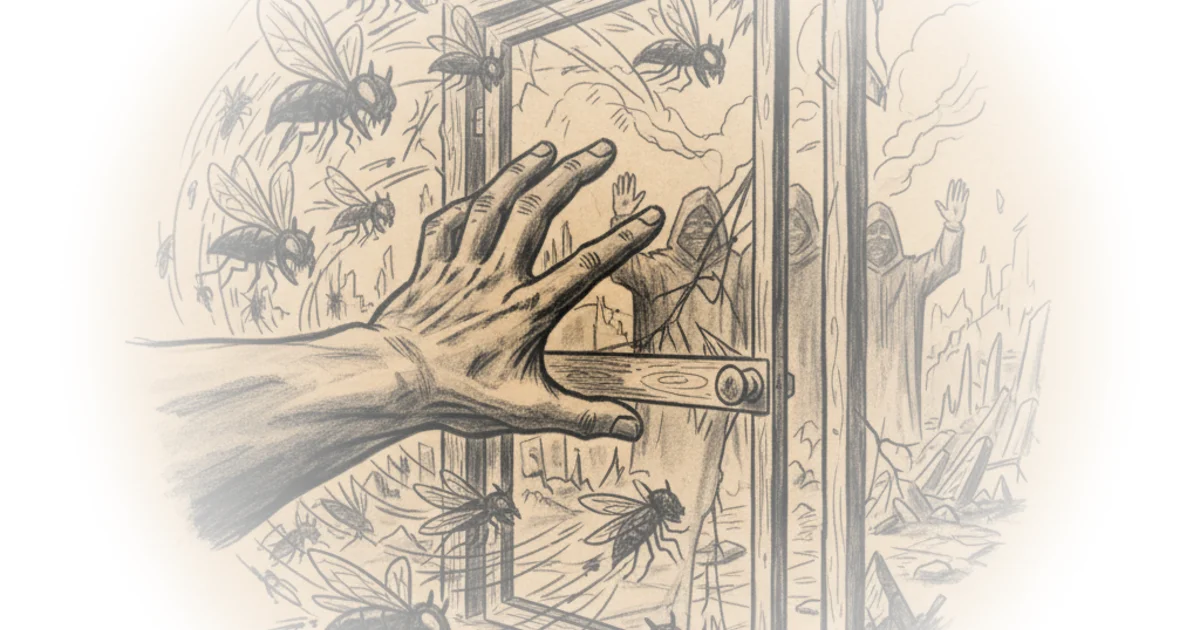
The core of White's analysis is that Substack's leadership has made a cold business calculation. They are betting that a brand built on "we are the intellectual and moral superiors to the woke left" is more lucrative than one built on safety or inclusivity. White writes, "They're betting that the 'we are the intellectual and moral superiors to the woke left' brand is profitable — and it is." This framing is crucial because it strips away the moral pretense. The platform isn't protecting free speech out of principle; they are protecting a revenue stream. As White puts it, "It's about money."
Critics might argue that any platform allowing hate speech is inherently complicit in the harm it causes, regardless of the business model. White acknowledges this tension but suggests that the alternative—a platform that moderates everything—is often a slippery slope into arbitrary censorship that harms less powerful voices.
Substack has decided that Nazis are okay and porn and doxxing isn't. The fact that Substack is engaging in a common form of free-speech puffery offered by platforms doesn't make it true.
The Illusion of Neutrality
The commentary takes a sharp turn when White dissects the arguments made by Substack co-founder Hamish McKenzie. McKenzie has defended the platform's hands-off approach by blurring the line between government censorship and private moderation. White dismantles this, pointing out that McKenzie pushes the trope that "censoring Nazis just drives them underground where they are more dangerous." White rightly questions the logic here, asking if a private platform making a choice to block users actually makes the problem worse when there are countless other places for such users to congregate.
White highlights a profound hypocrisy in McKenzie's stance. The co-founder claims to uphold civil liberties, yet Substack's own rules ban content that the First Amendment would protect. White writes, "Substack has exercised its right to make choices in what content to exclude, and bans speech that the First Amendment protects." He lists specific examples: doxxing, content promoting self-harm or eating disorders, and certain types of pornography. These are not neutral safety measures; they are value judgments. "Substack would like you to believe that making judgments about content 'for the sole purpose of sexual gratification,' or content promoting anorexia, is different than making judgment about Nazi content," White argues. "In fact, that's not a neutral, value-free choice."
This section is particularly effective because it exposes the "puffery" of the platform's marketing. They claim to be a neutral town square, but they are actually a curated garden with very specific, unspoken rules about what is allowed to bloom. The argument lands because it forces the reader to confront the reality that no platform is truly neutral; they all make choices, and Substack's choice to tolerate Nazis while banning other speech is a deliberate brand signal.
The Hanania Precedent
White also tackles the specific case of Richard Hanania, a writer hosted on Substack's podcast who was later revealed to have published racist views. McKenzie defended the decision to host Hanania as a commitment to engaging with a range of views. White sees this as a dishonest evasion of responsibility. "McKenzie is smuggling a host of value judgments under the pretense of not making value judgments, and it's dishonest," he writes. The choice to invite Hanania, but not figures like David Duke or Nick Fuentes, is itself a value judgment about what constitutes "acceptable" racism.
The author argues that McKenzie's acceptance of Hanania's claim to have "reformed" is a choice in favor of "slack-jawed credulity." It is a decision to treat certain extremist views as legitimate debate topics while dismissing others. "If 'racism is within my circle of decency and debate' is our point, we should make it openly, not evade it," White asserts. This is a powerful critique of the intellectual dishonesty that often plagues debates about free speech on private platforms. The platform wants the prestige of hosting controversial thinkers without the stigma of hosting actual hate speech, a contradiction White refuses to let slide.
Bottom Line
Ken White's piece is a masterclass in separating the rhetoric of free speech from the reality of platform governance. Its greatest strength is the unflinching exposure of Substack's profit motive behind its moral posturing. The argument's vulnerability lies in its assumption that a platform can be perfectly honest about its biases without alienating the very audience it seeks to court, but that is a risk the platform itself is already taking. Readers should watch for how Substack navigates the inevitable pressure to moderate as the line between "controversial debate" and "hate speech" continues to blur in the public eye.