Casey Newton delivers a sharp, evidence-rich dissection of a landmark antitrust verdict that exposes the hidden machinery of the mobile app economy. While the market reaction was muted, Newton argues the ruling reveals a systemic reliance on secret deals and evidence suppression that goes far beyond a single legal dispute. This is not just about Google's wallet; it is about who controls the digital gateways for every developer and consumer.
The Architecture of Monopoly
Newton frames the victory for Epic Games not as a surprise upset, but as the inevitable result of a trial that peeled back layers of corporate obfuscation. The piece highlights how the case differed from Epic's earlier loss against Apple, noting that "Epic v. Google turned out to a very different case." Newton explains that this trial hinged on the revelation of "secret revenue sharing deals between Google, smartphone makers, and big game developers, ones that Google execs internally believed were designed to keep rival app stores down." This framing is crucial because it shifts the narrative from abstract market theory to concrete, intentional anti-competitive behavior.
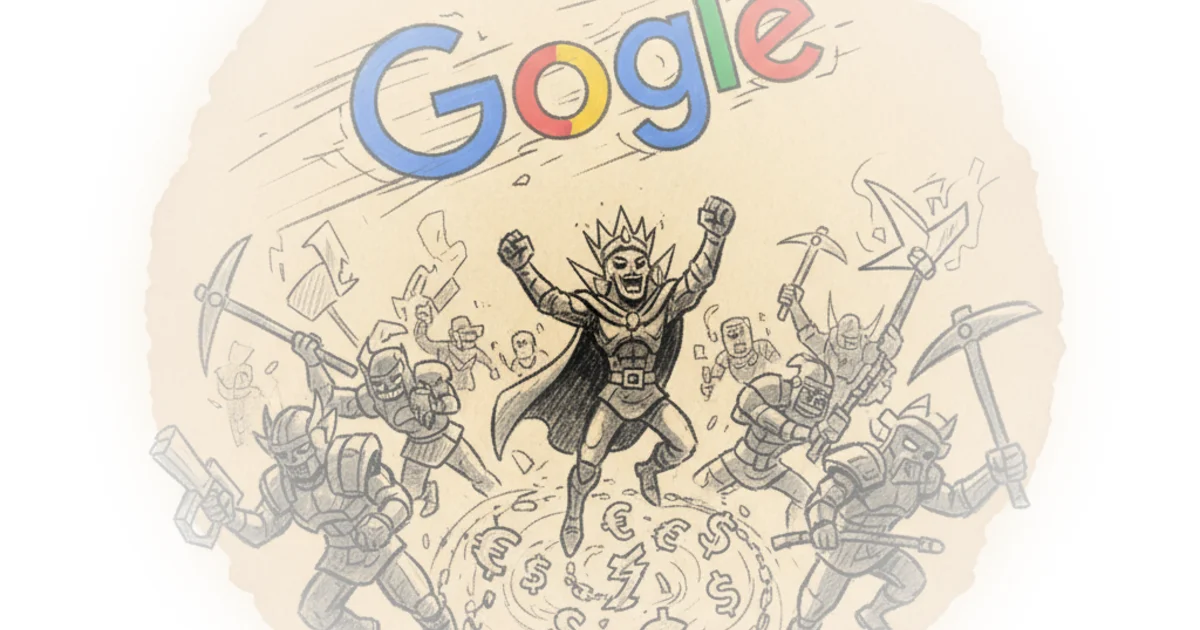
The author meticulously details the extent of Google's efforts to maintain its grip, citing evidence of "sweetheart deals to favored developers like Spotify and Netflix" and "successful efforts to prevent third-party app stores from launching." Newton points out the stark contradiction between Google's public stance and internal reality: the company lied about its app store not being a profit center, even as the trial revealed "The Play Store's profit margin in 2021 was estimated during the trial to be 71 percent." This disparity between public messaging and private profit motives is the core of the legal and ethical breach.
"The trial made clear that we compete fiercely with Apple and its App Store... We will continue to defend the Android business model."
Newton uses this quote from a Google spokesperson to illustrate the company's defensive posture, but immediately contrasts it with the jury's finding that Google was "running scared of Epic specifically." The argument here is that the administration of the Android ecosystem was not a neutral platform but a weaponized tool to stifle competition. Critics might argue that a unified billing system offers security and convenience that justifies the fees, but Newton's reporting suggests the primary driver was protectionism, not user safety.
The Erosion of Justice
Perhaps the most disturbing element Newton uncovers is not the monopoly itself, but the lengths taken to hide it. The commentary focuses heavily on the destruction of evidence, noting that "much of the relevant evidence was destroyed by Google, thanks to executives' use of a default setting in Google Chat that deleted their messages automatically after 24 hours." Newton quotes Judge James Donato, who called this conduct "the most serious and disturbing evidence I have ever seen in my decade on the bench with respect to a party intentionally suppressing relevant evidence." This is a frontal assault on the fair administration of justice, and Newton rightly treats it as a central pillar of the story, not a sidebar.
The piece suggests that the presence of a jury was pivotal. As Newton writes, citing analyst Ben Thompson, "The jury may have been less likely to consider that Google had a justifiable business reason for tying the two together." Unlike a judge who might weigh business efficiency arguments, a jury saw the raw evidence of exclusion and deception. This distinction is vital for understanding why the outcome differed from the Apple case, where a judge ultimately ruled against Epic on similar grounds.
The Future of the Digital Economy
Newton cautions against expecting immediate market upheaval, noting that "Nothing, yet" has changed for the average user. The stock market's indifference—"Google's stock price dropped less than a percentage point"—suggests investors believe the verdict will be overturned on appeal. Newton identifies the likely legal strategy: "Google can persuade an appeals court that it competes against Apple in app distribution, it might be able to get this verdict overturned." This market definition argument is the critical battleground for the next phase of the dispute.
However, the long-term implications for developers are profound. Newton highlights the potential for a new economic reality where "Google's revenue share to come down enough that it enables more small- and medium-sized developers to thrive and grow their businesses." The author quotes Epic CEO Tim Sweeney, who argues that the current model is shortsighted: "Google and Apple both treat developers as adversaries — they try to attack our revenue streams and prevent us from competing with their products." Sweeney's vision of viewing developers as "awesome partners" rather than revenue sources is presented as the only sustainable path forward, even if the tech giants resist it.
"Google and Apple will have to be dragged there, kicking and screaming."
Newton concludes that regardless of the appeal, the regulatory tide is turning globally, with Europe and South Korea already mandating third-party stores. The piece ends on a note of inevitability: the current gatekeeper model is unsustainable, and the industry must adapt to a more open ecosystem, whether the incumbents like it or not.
Bottom Line
Newton's strongest argument is the exposure of the deliberate, secretive nature of Google's anti-competitive tactics, backed by damning evidence of document destruction. The piece's greatest vulnerability is its reliance on the assumption that regulatory pressure will successfully force the big tech duopoly to change, a transition that has historically been slow and fraught with loopholes. Readers should watch the appeals process closely, as the definition of the relevant market will determine whether this verdict is a historic turning point or a temporary setback.