In an era where culinary publishing is often dismissed as a graveyard of Instagram-friendly brand deals, Paula Forbes makes a compelling case that restaurant cookbooks are not just surviving, but evolving into vital cultural archives. She argues that the recent surge in titles from established eateries like Lula Cafe signals a shift from mere recipe collection to the preservation of community history and the fragile reality of the restaurant industry itself.
The Urgency of Preservation
Forbes opens by challenging the prevailing industry narrative that restaurant cookbooks are a dying art form. She points to a robust fall lineup, including titles from Williamsburg's Diner and Sylvan Mishima Brackett's Rintaro, as evidence that the genre is "making tentative moves towards a comeback." This observation is crucial because it reframes the cookbook not as a marketing afterthought, but as a deliberate act of legacy building. Forbes notes that these books often highlight multiple establishments, suggesting a collective effort to document the current food landscape before it shifts again.
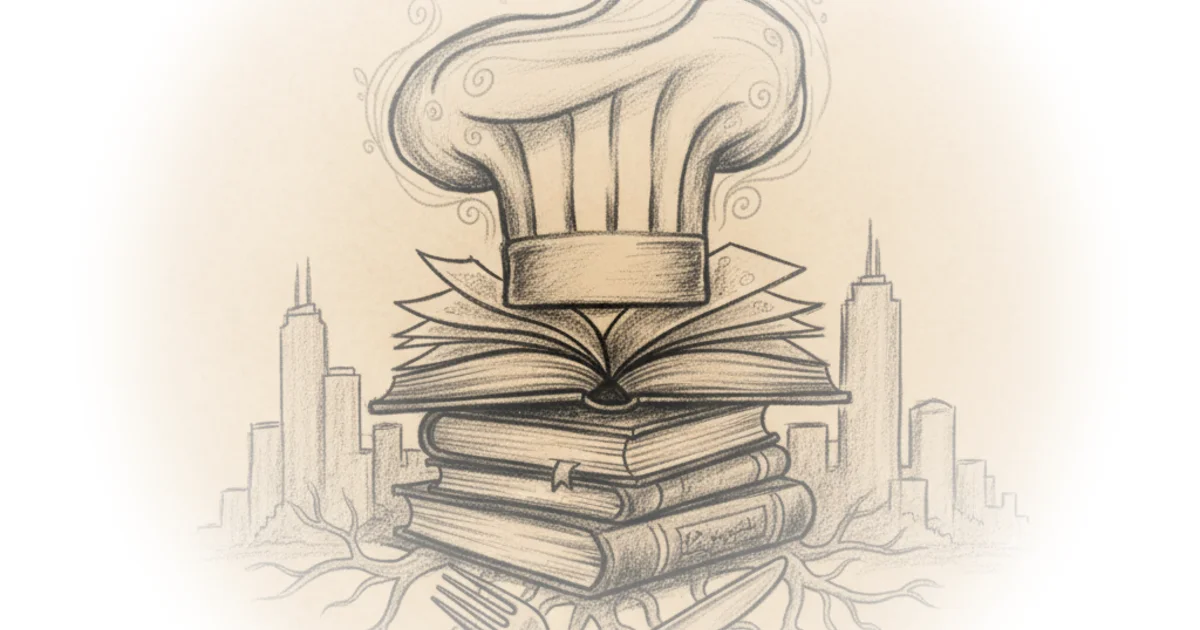
The core of Forbes' argument rests on the interview with chef Jason Hammel, where the motivation for publishing shifts from commercial opportunity to existential necessity. Hammel explains that the pandemic instilled a specific kind of urgency: "I want to preserve this thing I have and recognize that this thing coming would be different than before." Forbes captures the gravity of this moment, noting that the crisis forced chefs to confront the "underlying anxiety" of longevity. This framing is effective because it moves the conversation beyond flavor profiles and into the emotional and economic vulnerability of running a business.
"The pandemic gave me a sense of urgency of getting it done... there's always this underlying anxiety of: how long can you keep this up and maintain the concentration and fortitude to run a restaurant?"
Forbes highlights how Hammel's book, The Lula Cafe Cookbook, serves as a counter-narrative to the idea that restaurants are disposable. By focusing on the "transient" nature of dishes and the specific eras of the restaurant's history, the book becomes a historical document. Forbes writes that Hammel wanted to "express how transient that is," acknowledging that a dish can appear and vanish in a single season. This approach resonates because it treats food with the same reverence as oral history, capturing moments that would otherwise be lost to time.
Critics might argue that focusing on the emotional labor of chefs romanticizes an industry plagued by burnout and low wages. While the narrative celebrates the "DIY, creativity-driven ethos," it occasionally glosses over the systemic labor issues that make the "fortitude" Hammel mentions so necessary in the first place. However, Forbes balances this by emphasizing the collaborative nature of the work, noting that Hammel worked closely with former chef Sarah Rinkavage to ensure the recipes held up under scrutiny.
Community as the Central Ingredient
The most distinctive aspect of Forbes' coverage is her focus on the human connections that sustain a restaurant. She details how Hammel's partnership with his wife, Amalea Tshilds, and their early work with local farms laid the groundwork for a movement that is now mainstream. Forbes paraphrases Hammel's view that the book is ultimately "a story of young love," encompassing love for the work, for partners, and for the community that supported them.
Forbes draws attention to the specific design choices that reinforce this theme, such as the "banker stamp" used to date menus, a practice borrowed from Chez Panisse to "time stamp" the recipes. This detail is more than a stylistic flourish; it is a method of grounding the food in a specific moment. As Forbes puts it, the design captures the "'90s cafe turns into a grownup restaurant vibe," bridging the gap between the restaurant's scrappy origins and its current status. This attention to detail validates the argument that the cookbook is a cohesive narrative, not just a list of instructions.
"You never get rid of your origins and I don't know if it feels scrappy to you. I feel it's well put together and it's like Lula at our beginnings. And I just want to be humble. This is our origin story–we grow up but you don't grow out."
The coverage also touches on the importance of collaboration, citing a vinaigrette recipe developed by a chef friend as proof that the restaurant's success relies on a network of peers. Forbes notes that Hammel is "not afraid to collaborate and learn from our community," a sentiment that contrasts sharply with the often solitary, competitive image of the chef. This perspective is vital for readers who want to understand the ecosystem of a successful restaurant, rather than just the food on the plate.
However, the focus on personal heritage and "young love" risks overshadowing the broader economic realities of the industry. While the emotional resonance is high, the piece offers less insight into how these community-focused models scale or survive in a high-inflation environment. Forbes acknowledges inflation as a "pedantic" change, but the deeper economic pressures on neighborhood restaurants remain a background element to the personal narrative.
The Future of the Genre
Forbes concludes by looking forward, noting that Hammel is already planning a brunch-focused book and one exploring his Italian heritage. This suggests that the cookbook format is not a one-off event but a continuing dialogue between the chef and the public. Forbes writes that Hammel wants to "connect some of the food I grew up [eating] with actual traditional Italian cuisines," indicating a desire to explore identity through food in a more nuanced way.
The author's final observation is a sharp critique of the current publishing landscape: "Because if the answer is no and all we're doing is single subject cookbooks from Instagram-friendly DTC food brands for the rest of time, I am gonna go take a nap." This line serves as a rallying cry for substantive, story-driven publishing. Forbes argues that the value of these books lies in their ability to tell a story that readers can relate to, even if they have never visited the restaurant.
"It's a story about that community and the partnership that started it all. And I wanted to write something where the prose itself mattered, that's thoughtful and beautiful and evocative."
Forbes' coverage successfully argues that the restaurant cookbook is a medium for preserving the intangible assets of the food industry: the relationships, the history, and the specific cultural moments that define a place. While the piece leans heavily into the romantic aspects of the chef's journey, it provides a necessary counterweight to the purely commercial view of culinary publishing.
Bottom Line
Paula Forbes' strongest argument is that the resurgence of restaurant cookbooks is a reaction to the fragility of the industry, transforming recipes into historical records of community resilience. The piece's vulnerability lies in its tendency to prioritize the emotional narrative of the chef over the structural economic challenges that threaten the very institutions being celebrated. Readers should watch for whether this trend of community-focused publishing can sustain itself as the industry continues to navigate post-pandemic economic headwinds.