The philosopher William James made a powerful argument over a century ago: true religious experience happens in the heart of an individual, not in churches or congregations. Charles Taylor agrees that James nailed how modern people think about religion—but he thinks James missed something crucial. His 2002 book Varieties of Religion Today reveals why personal transcendence is only half the story, and what that missing piece means for anyone trying to understand their relationship with faith today.
The Personal Core of Faith
James distinguished between what religion actually feels like on the inside versus how it appears from the outside. Going to church, singing hymns, listening to sermons—these are external expressions. But religion's true locus resides in a person's inner life: that moment when someone feels genuinely connected to something beyond this world.
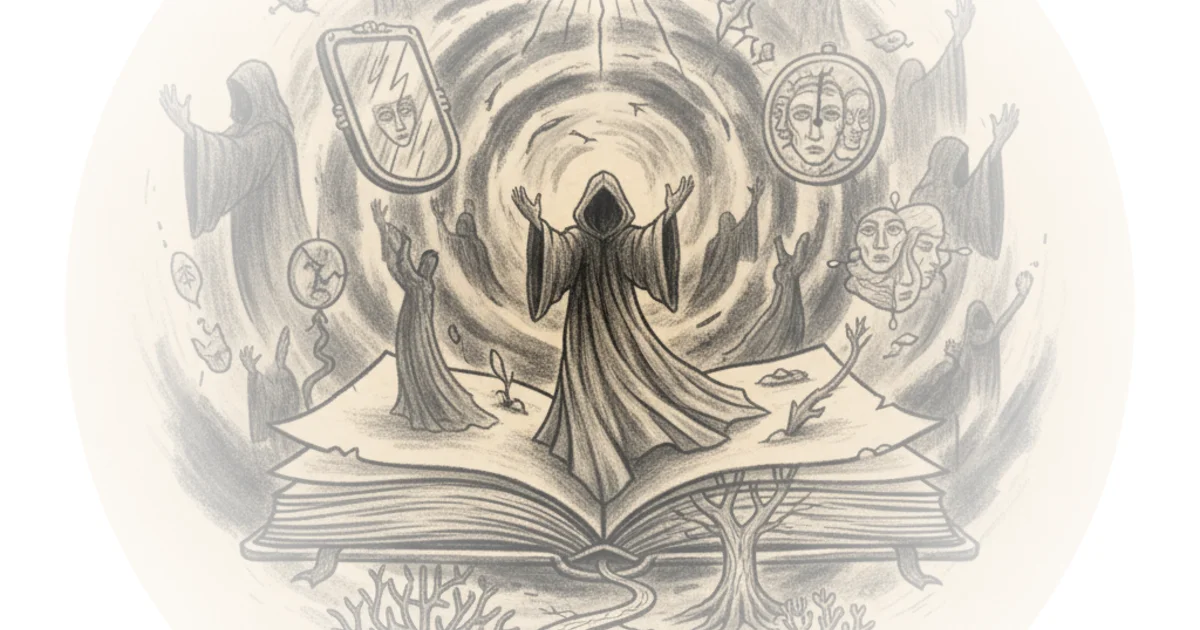
When an individual experiences what James calls a "phenomenological connection" to the divine, that's where authentic religious experience happens. Not in buildings. Not in institutions.
This insight became foundational for how many modern people approach faith today. But Taylor sees a problem with stopping there.
Beyond Personal Experience
Taylor argues that reducing religion entirely to personal experience ignores essential pieces of what faith actually does in human life.
James describes religion as beginning when some spiritual genius gains profound insight, attracts followers, and eventually the message spreads so widely it gets watered down into doctrine. Eventually it becomes institutional—churches, denominations, organizations.
But this framing misses something important: the structural role religion played in people's lives throughout history. Taylor traces how Western Christianity functioned socially—not just as personal belief but as a framework that shaped how people understood reality itself.
This isn't a minor oversight. It's the heart of why modern debates about faith look so different than they did for previous generations.
The Transcendence Question
James poses a fundamental question: should we live as though something transcendent gives meaning and order to this world? Two valid answers emerged.
The first response is what Taylor calls a "closed stance"—a refusal to believe in anything beyond the physical world. Critics of religion often frame it this way: why believe in fairy tales without evidence? The world is enough. Meaning comes from human endeavors, secular moral frameworks like human rights and justice. This approach draws all values from imminence—from what exists in this world.
The second answer involves committing to transcendence first, then discovering evidence through that commitment. James argues some knowledge requires participation—you can only understand trust by trusting someone, for instance. Similarly, making commitments might reveal evidence of the transcendent that otherwise remains invisible.
Critics might point out: isn't this just wanting something to be true? Doesn't it confirm what you already prefer?
The Historical Bias Problem
Taylor identifies a crucial insight here. Modern critics assume religion originally attracted people because it provided comfort—but that's actually a modern assumption. Transcendent meaning was so embedded in how people understood reality that the thought "everything is meaningless" wouldn't have been persuasive for most of human history.
A medieval Dominican monk might briefly wonder if devotion is wasted effort. But given how thoroughly their world was structured around cosmic meaning, that doubt wouldn't feel philosophically compelling. They'd likely frame it as temptation—distraction from the obvious moral path.
This reveals why James' personal experience framework is incomplete. It captures one dimension of religion but misses the sociological architecture that made faith feel self-evidently true for centuries.
The Modern Predicament
What makes contemporary religious decisions unique isn't just what you believe—it's how differently people now approach the question compared to any previous era.
Taylor doesn't prescribe what anyone should do. Instead, he maps the multiple dimensions of religion that shape how people form their views today. Understanding these layers helps explain why people hold their particular position on faith rather than another one.
Bottom Line
James correctly identified personal experience as central to how modern people understand religion—but his framework undersells what faith actually does. Taylor's broader analysis reveals religion functioning as cosmic architecture: shaping how entire societies understood reality itself, not just individual belief. The strongest insight here is that our modern "closed stance" toward transcendence emerged relatively recently in human history. Its biggest vulnerability? Even Taylor admits the full picture of what religion is remains contested—and that's precisely where the most interesting questions about faith begin.