Adam Friedland has spent years perfecting an interview style that's equal parts performance and interrogation.
The comedian-turned-podcaster sits down with guests expecting to be challenged, then turns their vulnerability into connection. It's a method he built by studying Howard Stern and Joe Rogan—two men who mastered the art of making guests feel comfortable enough to reveal more than they intended.
He was your best friend within 90 seconds—that's what made him so effective. Once you rapport with someone like that, they'll tell you anything.
Friedland describes his own gimmick as deliberate self-deprecation. By putting himself down immediately—admitting he's a "schmuck" and "a nice guy"—he forces guests to choose between continuing to be defensive or relaxing into the conversation. The technique disarms people. They stop protecting their image and start talking honestly.
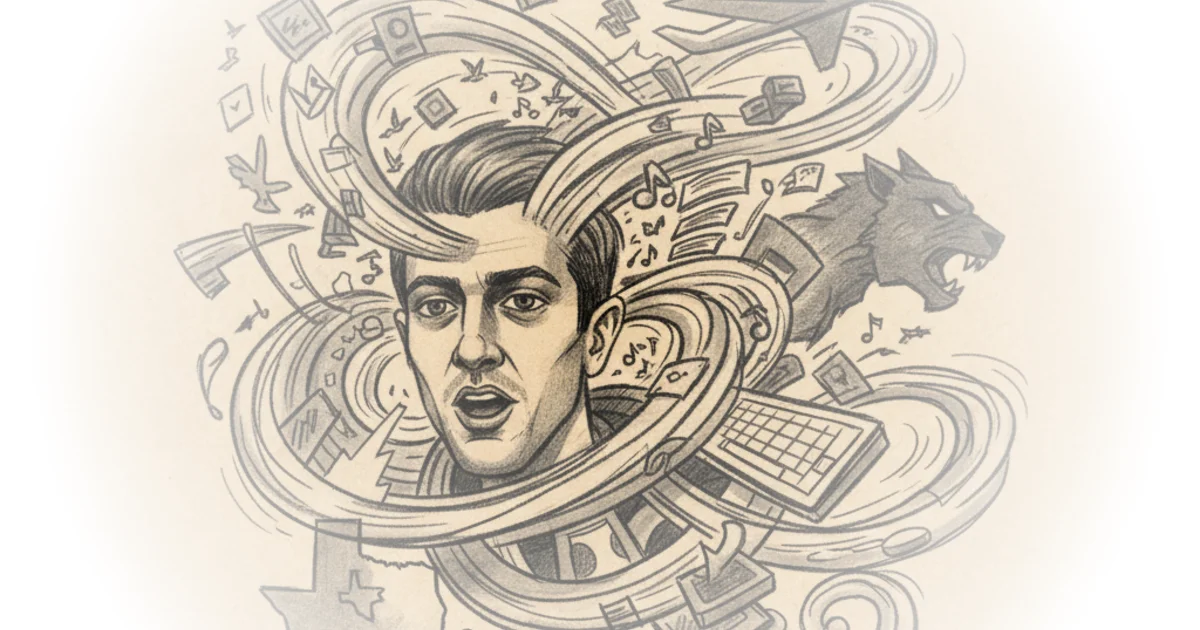
This approach came from studying Stern's early interviews, where the host ingratiated himself instantly and then gently pushed guests toward revelations they wouldn't offer on traditional journalism outlets.
The strategy isn't purely calculated. Friedland acknowledges that authentic personality matters more than polished presentation in modern media. The audience feels betrayed when someone appears one way but is exposed as something else—Tiger Woods' downfall proved that. But Donald Trump? He's never presented as anything other than exactly what he is, and that's why his supporters don't care about contradictions.
The same logic applies to Dr. Oz, who couldn't put a sentence together during interviews yet found massive success in medicine and politics. America just hates a smug know-it-all, and Friedland thinks we've always been that way—going back to William F. Buckley and Christopher Hitchens as the last era of respected public intellectuals.
The political landscape shifted dramatically around 2016. The show was never political—it was really about 30-year-old men behaving badly—but audiences attached politics to it anyway. What changed wasn't just the topics but how people consumed content: they're tuning in for personality, not perspective.
Critics might note that Friedland's self-deprecating approach could seem like false modesty masking sharp interrogation tactics—essentially a gimmick dressed up as humility. But he genuinely seems interested in understanding what makes people tick rather than simply catching them out.
The biggest vulnerability is the same one facing all podcast journalism: it's impossible to verify these conversations actually produce meaningful insight versus entertaining drama. The format works because it feels genuine, but feeling genuine and being substantive are different things.