Hamilton Nolan delivers a searing indictment of the Wall Street Journal's Opinion section, exposing a month-long barrage of fear-mongering that frames a local mayoral race as an existential threat to American civilization. The piece is notable not for the policies debated, but for the sheer escalation of rhetoric, where a candidate's platform is equated with Soviet bread lines, suicide bombings, and the collapse of the free world. This coverage demands attention because it reveals how institutional media can weaponize anxiety, transforming a municipal election into a proxy war for the soul of the nation.
The Escalation of Rhetoric
Nolan meticulously chronicles how the tone of the coverage shifted from policy critique to apocalyptic warning. He highlights how the editorial board moved quickly from questioning a candidate's viability to predicting the end of safety and sanity in New York. "There is ample reason to believe that Mr. Mamdani would steer the nation's largest city in a disastrous direction," Nolan notes, quoting a June 18 headline that set the stage for weeks of alarmism. The argument here is that the stakes were artificially inflated to create a sense of urgency that bypassed rational debate.
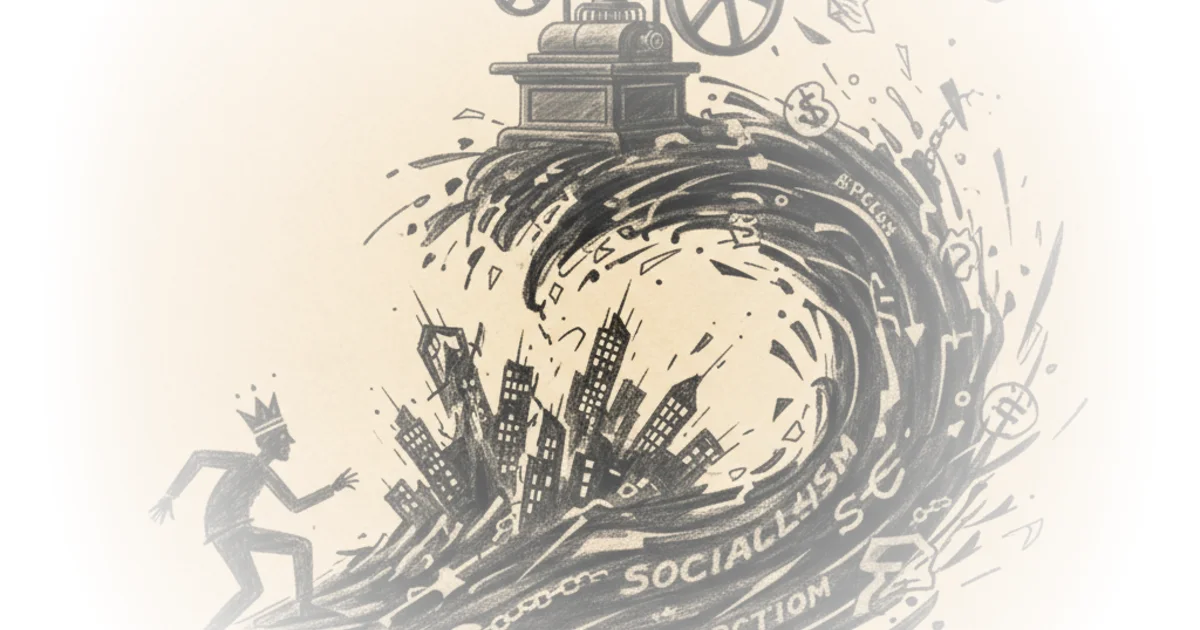
The coverage frequently invoked historical trauma and foreign conflicts to discredit the candidate's domestic proposals. Nolan points out the absurdity of linking a local housing plan to global terrorism: "Globalizing it would bring suicide bombs and Oct. 7-style attacks to New York." This framing is particularly effective at triggering emotional responses, yet it relies on a logical leap that Nolan suggests is designed to terrify rather than inform. By conflating a mayoral candidate's stance on international affairs with the immediate threat of domestic violence, the commentary creates a narrative of inevitable doom.
The irony is that this 'affordability crisis' is the result of failed Democratic governance. Rent control and eviction limits have caused landlords to take tens of thousands of apartments off the market.
Nolan observes that the criticism often pivots to blame the very people the candidate aims to help, suggesting that past progressive policies are the root cause of current suffering. The author argues that this narrative serves to delegitimize the entire concept of social safety nets by painting them as the architects of their own failure. However, critics might note that this perspective ignores the broader macroeconomic factors, such as inflation and supply chain disruptions, that have impacted housing and food costs nationwide, regardless of local policy.
The Personalization of Political Conflict
The piece exposes how the editorial strategy relied heavily on ad hominem attacks and identity politics rather than substantive policy analysis. Nolan highlights the focus on the candidate's background and associations, quoting a July 30 headline that asks, "Want Soviet Bread Lines? Vote for Zohran Mamdani." This rhetorical device reduces complex economic proposals to a caricature of historical failure, appealing to nostalgia for a status quo that many voters have already rejected.
Nolan writes, "Mr. Mamdani's victory in New York's Democratic mayoral primary has scared many people… In recent days many Jews have asked themselves: Where to now?" The coverage leans into the fears of specific communities, suggesting that the candidate's election would force a mass exodus of residents. The argument is that the candidate's identity and past associations make him inherently untrustworthy, a claim Nolan presents as a deliberate strategy to mobilize opposition through fear. This approach, however, risks alienating the very voters the party needs to retain, as it frames political disagreement as a moral failing.
The commentary also scrutinizes the comparison of the candidate to other political figures, noting the strange symmetry in the rhetoric. "Mamdani Is as Extreme as Trump," reads one headline, which Nolan cites to illustrate the confusion and polarization that has taken hold. By equating a progressive socialist with a populist conservative, the editorial board blurs the lines of political discourse, making it difficult for voters to distinguish between genuine policy differences and manufactured crises. This conflation serves to deepen the divide rather than clarify the choices facing the electorate.
The Economic Fallacy
A significant portion of the coverage focuses on the economic viability of the candidate's proposals, often dismissing them as delusional. Nolan quotes a July 2 piece stating, "Mr. Mamdani's campaign made lofty, utopian promises: free public transit, free college tuition, more public housing, sweeping debt cancellation and massive overhauls of systems far beyond his authority, all paid for by huge tax increases." The argument is that these promises are not just unrealistic but dangerous, threatening to drain the city's resources and drive away capital.
Nolan points out the contradiction in the editorial stance, where the same voices that warn of economic collapse often advocate for policies that might exacerbate it. "Every dollar spent to bail the Big Apple out of a socialist experiment is a dollar that could be spent fruitfully elsewhere," reads a July 9 headline. The commentary suggests that this framing ignores the potential long-term benefits of investment in public infrastructure and social services, focusing instead on short-term costs. Critics might argue that the fear of tax increases is a legitimate concern for many voters, and that the candidate's proposals need to be scrutinized for their fiscal sustainability.
The piece also highlights the suggestion that private enterprise is the only solution to urban problems. "Here is a far better idea: Let Walmart into New York," reads a July 8 headline. Nolan uses this to illustrate the reductionist view that market forces alone can solve complex social issues, ignoring the limitations of profit-driven models in serving low-income communities. This perspective, while popular among certain economic theorists, often fails to account for the specific needs of a diverse urban population.
The failure of Democratic urban governance is one of the tragedies of 21st-century America. Mr. Mamdani's ideas are bound to fail, but it's not surprising that Democratic voters didn't trust Mr. Cuomo and the rest of the party establishment to do any better.
Nolan concludes that the coverage reflects a deeper crisis of confidence within the political establishment, where the only response to dissatisfaction is to double down on the status quo. The argument is that the editorial board's refusal to engage with the root causes of voter discontent has only fueled the rise of the very movements they seek to suppress. This dynamic creates a self-fulfilling prophecy where the fear of change leads to the election of candidates who promise radical alternatives.
Bottom Line
Hamilton Nolan's analysis effectively exposes the Wall Street Journal's Opinion section as a vehicle for fear-based politics, where the goal is to discredit a candidate through escalation rather than engagement. The strongest part of the argument is the demonstration of how rhetoric can be weaponized to create a sense of impending doom, but the piece's vulnerability lies in its potential to oversimplify the genuine economic anxieties that drive voter behavior. Readers should watch for how this narrative influences the broader national conversation on urban governance and the future of the Democratic Party.