Dave Borlace cuts through the polarized noise surrounding nuclear energy to present a stark, data-driven dilemma: the technology offers the only proven path to massive, reliable low-carbon baseload power, yet its economic and safety baggage threatens to derail the very climate goals it aims to serve. This isn't a cheerleading piece for atomic power; it is a sober assessment of why the world's most advanced nations are stalling while the clock on climate change ticks down.
The Baseload Reality
Borlace opens by grounding the discussion in the sheer scale of the challenge. He notes that while humanity has relied on fossil fuels for 150 years, the carbon cost is now existential. He introduces nuclear fission not as a panacea, but as a necessary component of the mix. "The quantities of comparatively clean energy that the technology offers are truly staggering but the challenges in caveats are not insignificant either," Borlace writes. This framing is crucial; it immediately disarms the reader's expectation of a one-sided pitch.
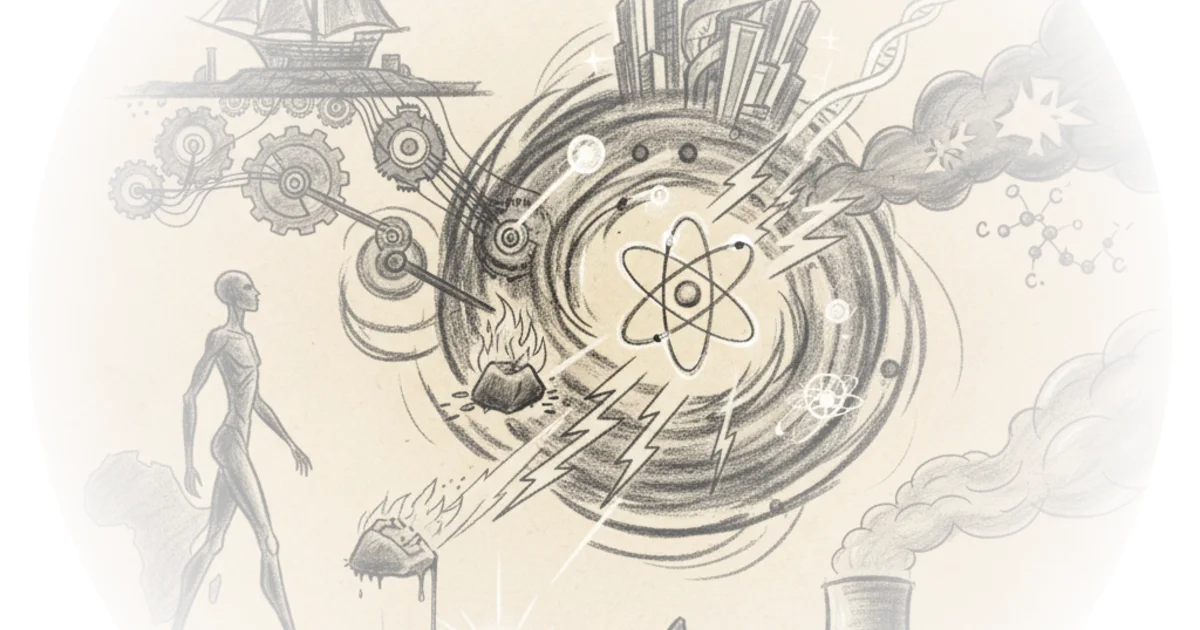
The argument hinges on the concept of reliability. Borlace points out that unlike wind or solar, nuclear provides "base load energy generation that means it doesn't fluctuate it's a reliable and constant source of power for the grid." He contrasts this with the volatility of fossil fuel markets, noting that once a plant is running, the fuel cost is negligible. "Nuclear power produces relatively inexpensive electricity certainly cheaper than gas or coal," he asserts, highlighting the long-term economic logic that often gets lost in the short-term political debate.
"Nuclear Energy's got an incredibly high fuel to power output ratio a kilo of nuclear fuel typically uranium releases millions of times more energy than a kilo of coal."
This statistic is the bedrock of the pro-nuclear case. However, Borlace is careful not to ignore the elephant in the room: the fuel source itself. He introduces the emerging potential of thorium-based molten salt reactors, a technology that could bypass the scarcity issues of uranium. He explains that these reactors use salt as both fuel receptacle and coolant, a design choice that "does away with the need to use water for cooling which was the principal cause of the accidents at both Chernobyl and Fukushima." This technical nuance is often missing from public discourse, which tends to lump all nuclear technologies together as equally dangerous.
The Shadow of History and Waste
Despite the technological promise, the shadow of past disasters looms large. Borlace does not shy away from the human cost of failure, citing the UN's assessment of Chernobyl, which "caused the death of 30 workers and radiation injuries to over a hundred others" and led to the evacuation of hundreds of thousands. The psychological and social disruption, he argues, is as damaging as the physical contamination.
The public perception gap is perhaps the most formidable barrier. Borlace cites polling data showing that after Fukushima, "63% of the population were opposed to nuclear energy as a means of generating electricity." He acknowledges that while the industry boasts a strong safety record, "politicians will tell you that the perception is everything." This is a sharp observation of the political economy of energy: even if the math works, the public will not accept a technology they fear.
Furthermore, the issue of waste remains unresolved. Borlace notes that a typical plant generates 20 tons of highly radioactive spent fuel annually, which must be managed for thousands of years. "In some cases for hundreds or even thousands of years before it reaches acceptable levels of safety," he writes, pointing out that the UK, decades into its nuclear program, still lacks a permanent storage site. Critics might note that this is a solvable engineering problem, but Borlace correctly identifies it as a massive financial and political liability that no government has yet fully addressed.
The Economic Trap
The most damning section of Borlace's analysis focuses on the economics of new construction. He argues that while operating costs are low, the upfront capital requirements are prohibitive. "The capital costs of a nuclear power plant are much higher than for energy sources such as coal and natural gas," he states, quoting the Bulletin of the Atomic Scientists. The complexity of licensing and the need for highly specialized labor create a perfect storm for delays and cost overruns.
Borlace provides a litany of failures to illustrate this point. He details the fiasco at Flamanville in France, where a project "now looks like finally coming online... at a cost of nearly nine billion dollars almost three times its original budget." Similarly, the Hinkley Point project in the UK is facing massive overruns, with the government forced to "force British taxpayers to take up the burden of the project overspend."
"No smart contracting or regulating framework can magic away the deep challenges that nuclear faces notably the possibility that in the next 60 years much cheaper new low-carbon technologies may become available."
This quote encapsulates the central risk: the sunk cost fallacy. Governments are investing billions in plants that won't be online for a decade, only to risk being undercut by cheaper, faster renewable technologies in the interim. Borlace highlights the irony of Germany's decision to shut down its nuclear fleet post-Fukushima. He argues that this policy, intended to reduce carbon emissions, forced the country to "lean heavily on its coal industry to bridge the results and energy gap," making it the world's leader in burning lignite, the dirtiest fossil fuel.
The Race Against Time
The piece concludes by framing the nuclear debate within the urgent timeline of climate change. Borlace reminds readers that the Intergovernmental Panel on Climate Change suggests we have "at most about 12 years to transform our energy transport and land management policies." In this context, the slow, expensive, and controversial nature of nuclear construction seems at odds with the speed required.
He acknowledges the counter-argument: that closing existing nuclear plants is "a rather rash policy decision" given their safety and low-carbon output. Yet, he also questions the prudence of betting on long-term projects when "far quicker easier and cheaper alternatives in the Renewable sector are flooding onto the market." The tension is palpable: we need the baseload power nuclear offers, but we may not have the time or money to build it before the climate tipping points are reached.
"Developments in nuclear technology have boosted confidence amongst those in the industry and that confidence has been bolstered somewhat by ill-considered energy policy decisions by some governments."
This final observation is a stinging critique of policy volatility. Borlace suggests that the hesitation of nations like Germany and Japan has inadvertently propped up the nuclear industry's relevance, yet the path forward remains fraught with uncertainty.
Bottom Line
Borlace's analysis is strongest in its refusal to romanticize nuclear power, instead presenting it as a high-stakes gamble with the climate. The piece's greatest vulnerability lies in its reliance on the assumption that thorium and molten salt reactors are the silver bullet that will solve the cost and safety issues, a technology that remains largely unproven at scale. Readers should watch for whether the next decade of energy policy will prioritize the slow, expensive path of nuclear expansion or pivot entirely to a renewable-plus-storage model before the window for action closes.